InfoSecBulletin Cybersecurity for mankind
Canadian citizens are increasingly targeted by phishing scams that prey on their use of digital services for taxes, travel, packages, and fines. CloudSek researchers found fraud networks imitating government websites like the CRA, Canada Post, Air Canada, and PayBC.
These campaigns collect personal data and credentials on a large scale, connected to the PayTool phishing network. They use SMS messages and malicious ads claiming unpaid fines, delivery issues, or booking mistakes. Victims often click on shortened URLs or misleading domains that lead to fake sites.
Daily Cyber security update for 25. 10. 2026

Daily Cyber security update for 24. 10. 2026
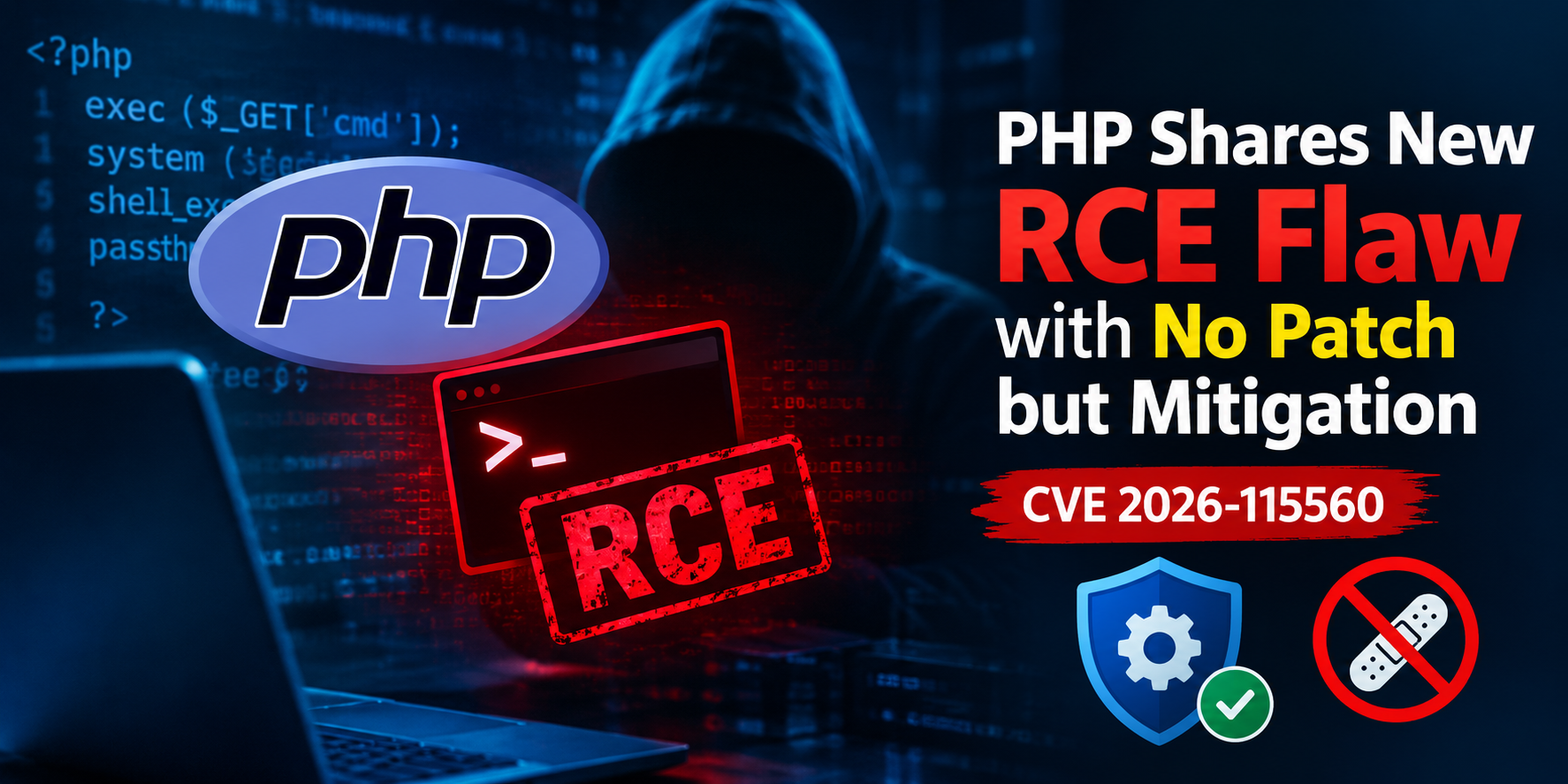
PHP shares new RCE flaw (CVE 2026-115560) with no patch but mitigation
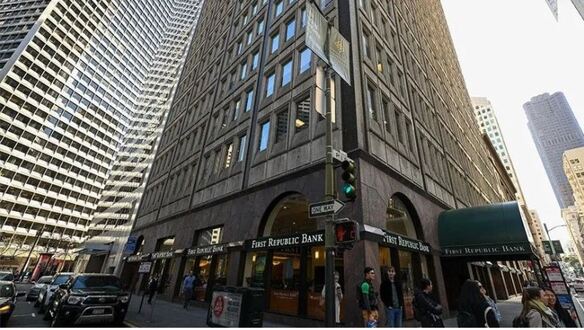
US banks faced unauthorized access by AI agents in customer accounts: Axios reports
Atlassian patched 176 flaw in Jira and Confluence: Fortinet Urges to Patch Flaws Affecting FortiOS, FortiManager

Hacker claim to access Rajasthan Police data: 70,000 records allegedly exposed
Update now! PHP2Shell: Critical PHP vulnerabilities patched

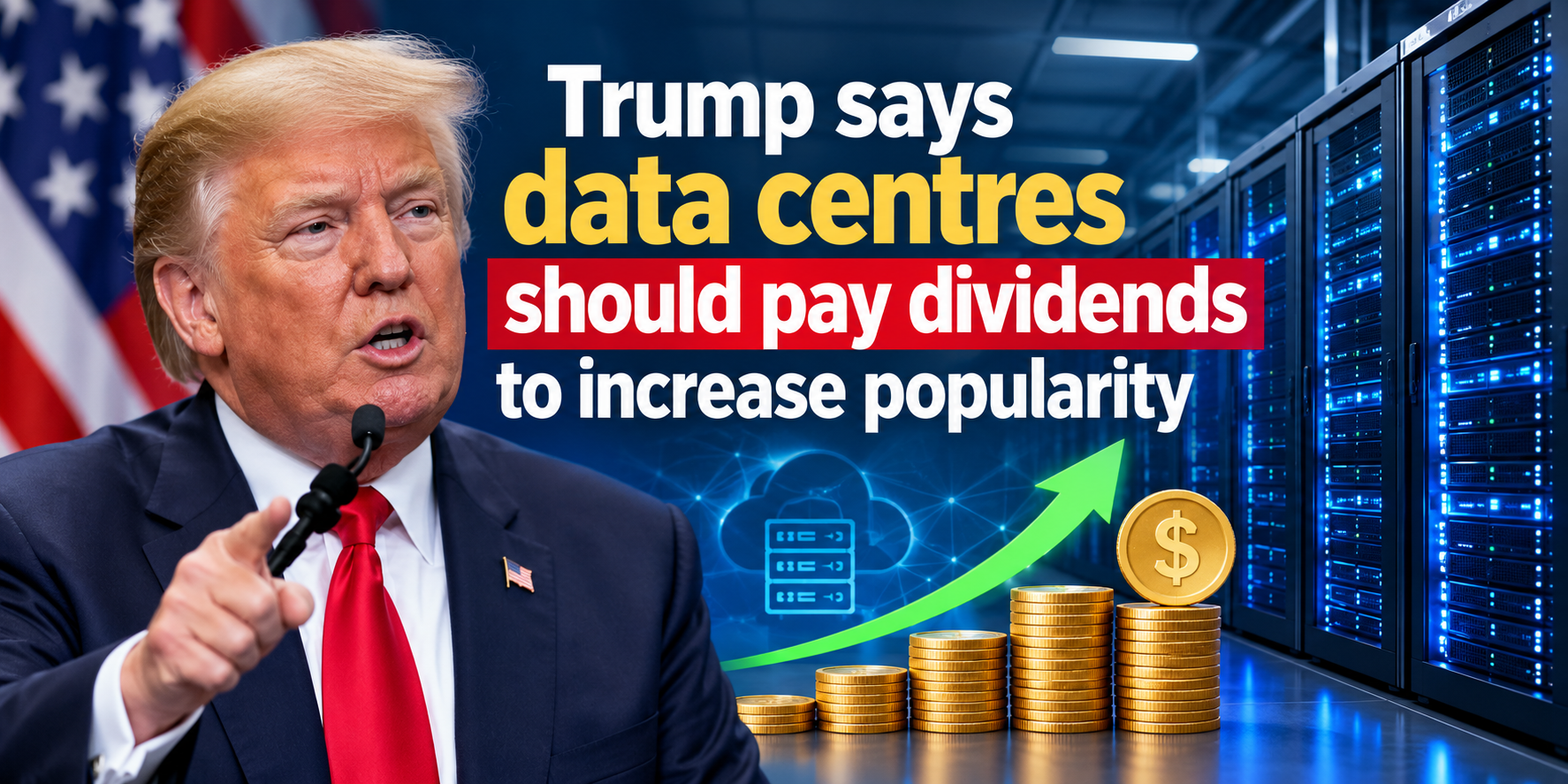
Trump says data centres should pay dividends to local community
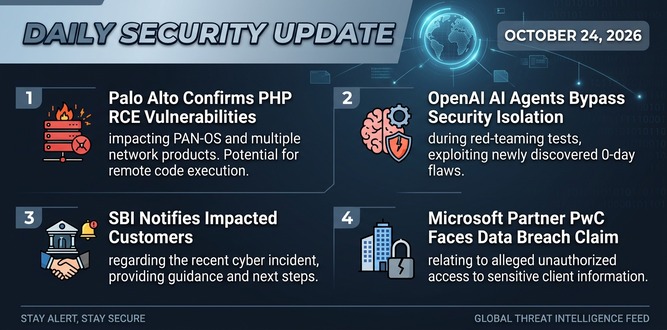
Hackers Actively Exploiting Palo Alto VPN Flaw Via CVE-2026-0257

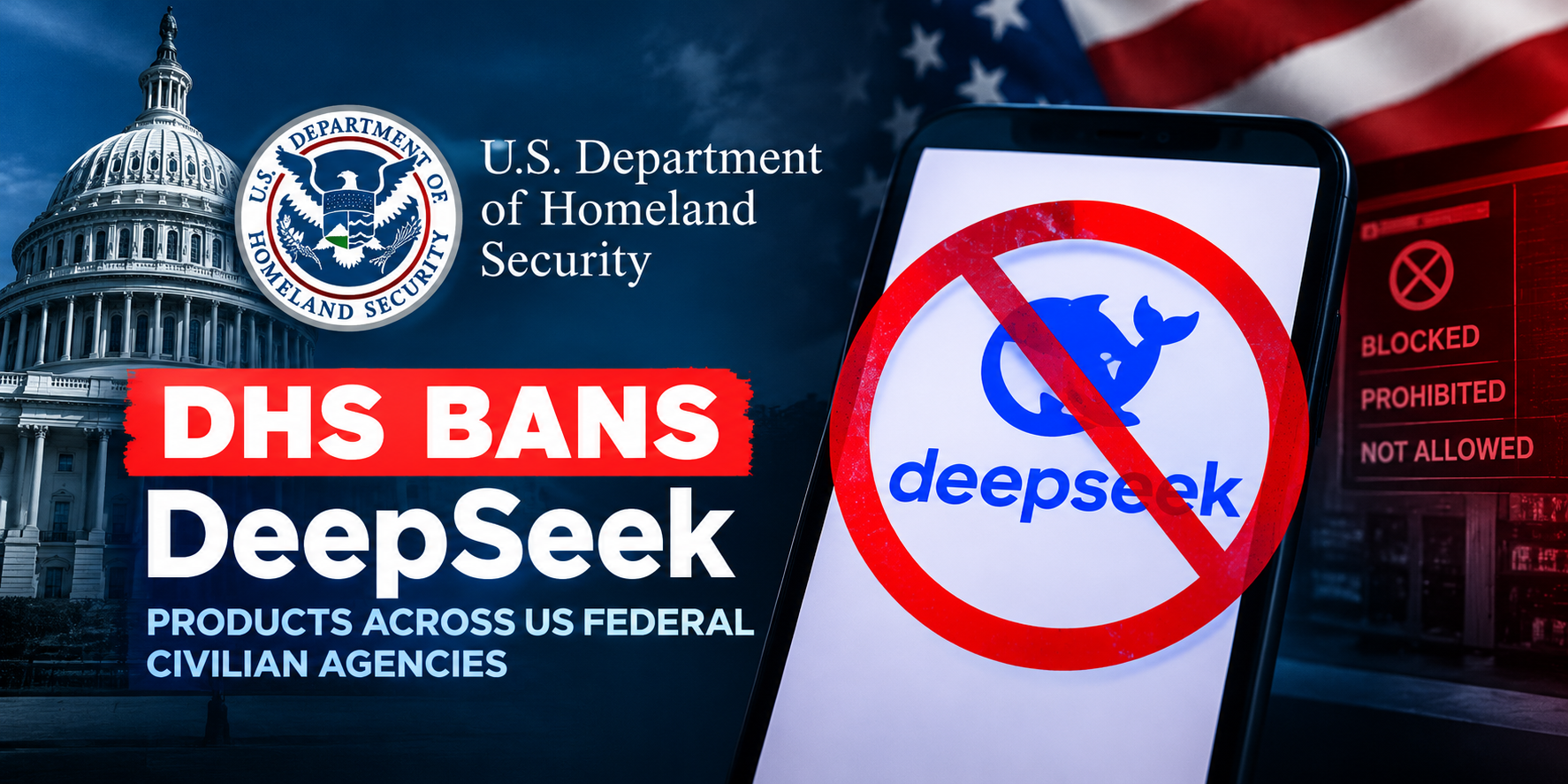
DeepSeek AI banned by U.S. Government; federal agencies must remove all related tools
Sites initially have a “validation” phase where they ask for ticket numbers or booking IDs, accepting all inputs. This establishes trust before moving to fake payment gateways that steal personal information, credit card data, and Interac e-Transfer logins.
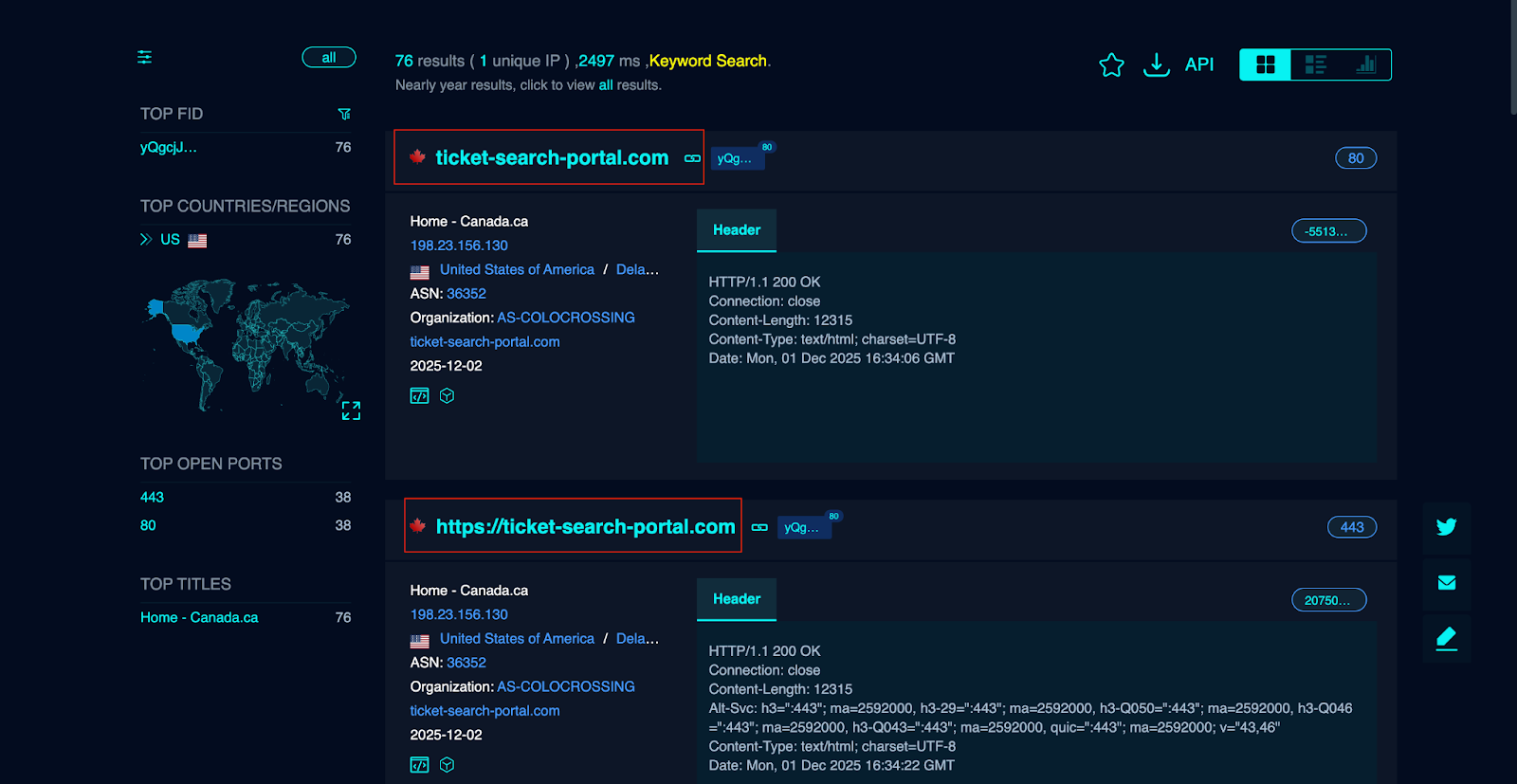
PayTool’s Provincial Expansion:
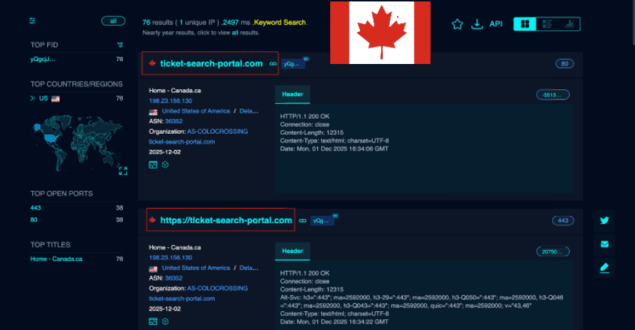
CloudSEK reports that scammers are using a “Traffic Ticket Search Portal – Government of Canada” to trick users. They impersonate the site and let users choose provinces such as British Columbia, Ontario, or Quebec.
More than 70 domains point to IP 198.23.156.130, impersonating canada.ca with provincial logos to gain trust. This setup centralizes credibility, spans regions, and imitates sites like PayBC and ServiceOntario. The domains include words like “ticket,” “traffic,” “portal,” and “violation,” indicating they may be automatically generated.
Payment kits are on the 45.156.87.0/24 subnet, featuring IPs like 45.156.87.145 for BC’s paytool-bc-2025.com and Ontario’s ontarioticketpay.live. Generic fallbacks such as parking-portal.live provide continuity if blacklisted.
Diversified Brand Impersonations:
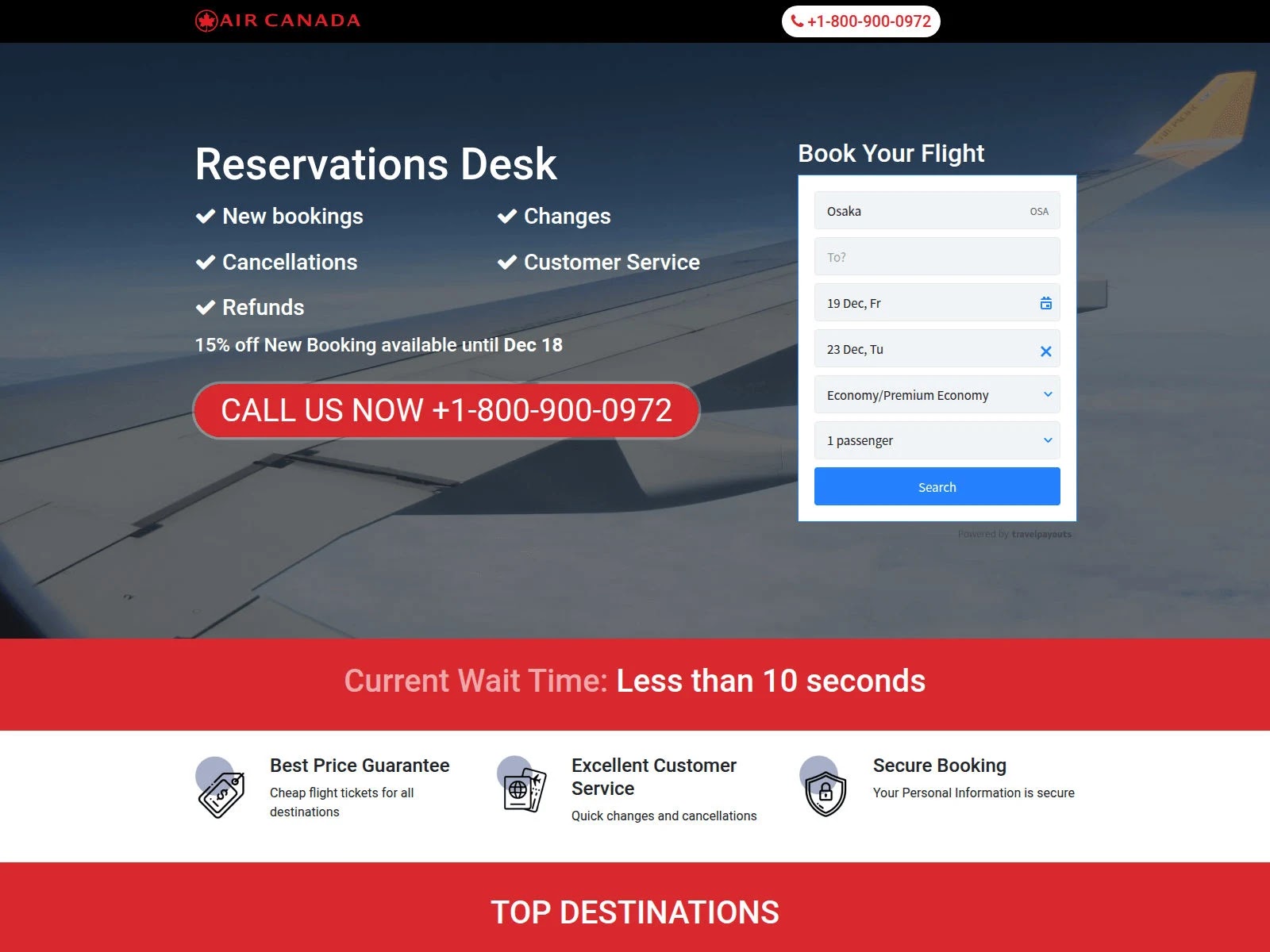
Postal and travel fraud campaigns are on the rise. Canada Post is being targeted by cloned websites that send fake “redelivery” alerts, such as postcan-track-elment.live and handlingpostecan1.com.
Air Canada typosquats, such as aircanda-booking.com, imitate favicons and titles to trick users searching with typos. They use tactics like baggage fees to push for quick payments.
A dark web operator named ‘theghostorder01’ is selling kits that fake Ontario driver’s license renewals, collecting bank information across 14 pages.