InfoSecBulletin Cybersecurity for mankind

AMD has released security patches for two high-severity vulnerabilities in its System Management Mode (SMM). If exploited, these could let attackers execute arbitrary code and compromise system integrity.
CVE-2024-0179 and CVE-2024-21925 are high-severity vulnerabilities with a CVSS score of 8.2. AMD reported that these flaws, identified by Quarkslab, impact several generations of AMD EPYC and Ryzen processors.
Daily Cyber security update for 24. 10. 2026
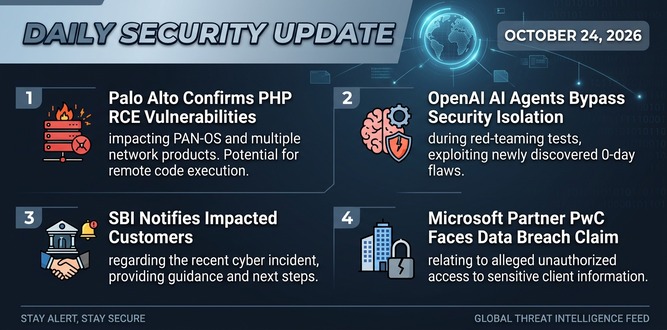
PHP shares new RCE flaw (CVE 2026-115560) with no patch but mitigation

US banks faced unauthorized access by AI agents in customer accounts: Axios reports

Atlassian patched 176 flaw in Jira and Confluence: Fortinet Urges to Patch Flaws Affecting FortiOS, FortiManager

Hacker claim to access Rajasthan Police data: 70,000 records allegedly exposed

Update now! PHP2Shell: Critical PHP vulnerabilities patched

Trump says data centres should pay dividends to local community

Hackers Actively Exploiting Palo Alto VPN Flaw Via CVE-2026-0257

DeepSeek AI banned by U.S. Government; federal agencies must remove all related tools

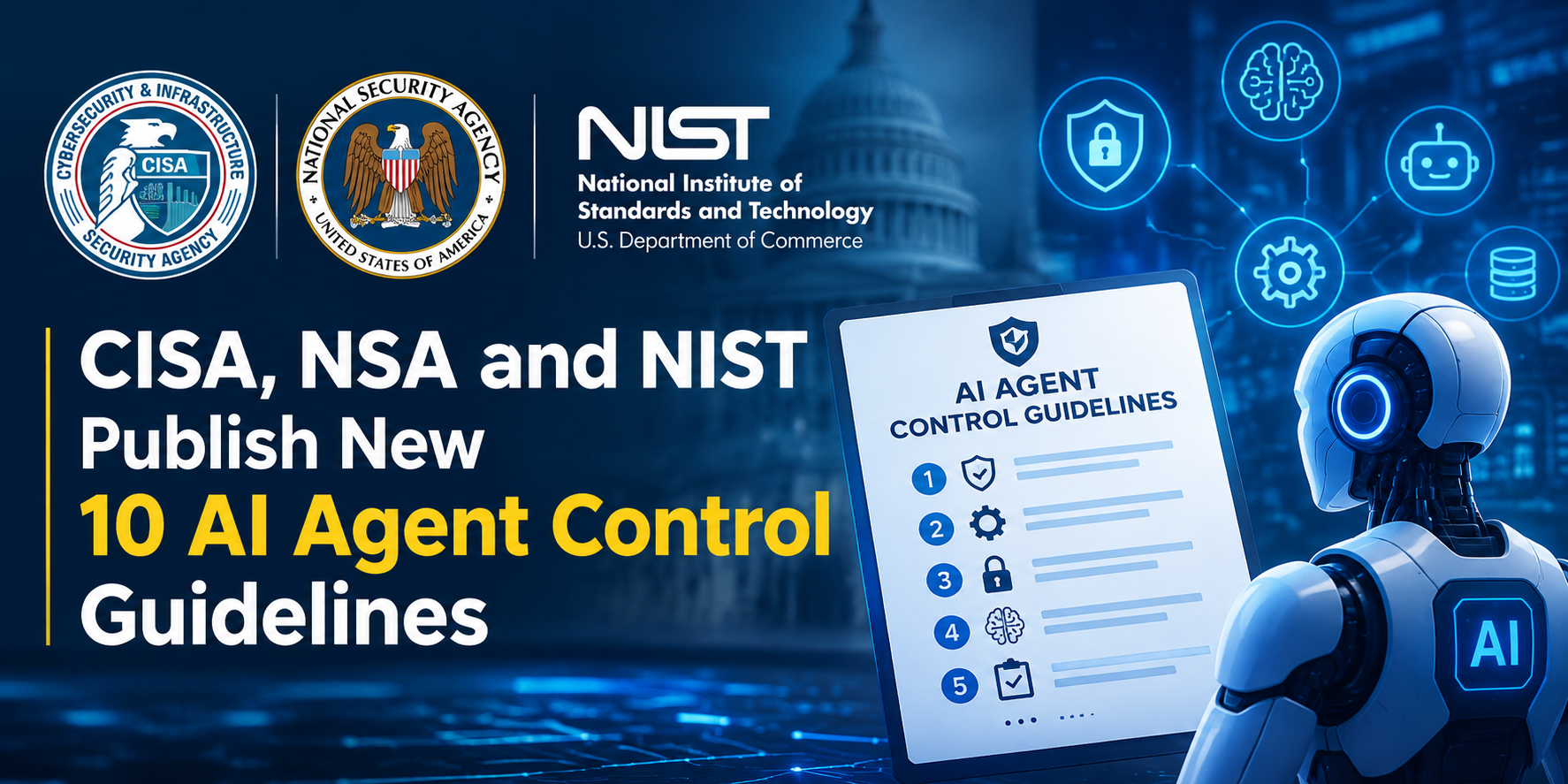
CISA, NSA and NIST Publish New 10 AI Agent Control Guidelines
CVE-2024-0179 is a vulnerability in the AmdCpmDisplayFeatureSMM UEFI module that allows locally authenticated attackers to overwrite SMRAM, which may lead to arbitrary code execution, according to AMD.
CVE-2024-21925 arises from inadequate input validation in the AmdPspP2CmboxV2 UEFI module, potentially allowing an attacker to overwrite SMRAM and execute arbitrary code.
The vulnerabilities target System Management RAM (SMRAM), a secure memory area for SMM handlers, aimed at preventing unauthorized access. Attackers with certain privileges could gain higher access to run malicious code at the highest system privilege level (ring-0).
The vulnerabilities affect multiple processor families, including:
1st to 4th Gen AMD EPYC processors (Naples, Rome, Milan, Genoa)
AMD Ryzen 5000/7000 series desktop and mobile processors
AMD Ryzen Threadripper PRO and High-End Desktop (HEDT) processors
AMD Instinct MI300A Data Center GPUs
AMD requires firmware updates to the Platform Initialization (PI) firmware to address the issue. The specific firmware versions for affected processors are Naples PI 1.0.0.N (2024-09-17), Rome PI 1.0.0.K (2024-09-05), and Milan PI 1.0.0.E (2024-09-05).
AMD advises users to update their firmware through their OEM vendors to address security risks. Patches to mitigate vulnerabilities are included in BIOS updates.
Lazarus Group Unleashes New Malware Against Developers Worldwide