InfoSecBulletin Cybersecurity for mankind

AMD has revealed four new vulnerabilities that could enable attackers to access sensitive data via timing-based side-channel attacks. These vulnerabilities, called AMD-SB-7029 or Transient Scheduler Attacks, impact various AMD processors, including EPYC chips for data centers and Ryzen processors for enterprises.
The recent disclosure has ignited a debate over threat severity ratings. CrowdStrike, a top cybersecurity firm, labels key vulnerabilities as “critical,” while AMD rates them as medium and low. This disagreement shows the difficulties companies encounter in assessing processor security risks.
US banks faced unauthorized access by AI agents in customer accounts: Axios reports

Atlassian patched 176 flaw in Jira and Confluence: Fortinet Urges to Patch Flaws Affecting FortiOS, FortiManager

Hacker claim to access Rajasthan Police data: 70,000 records allegedly exposed

Update now! PHP2Shell: Critical PHP vulnerabilities patched

Trump says data centres should pay dividends to local community

Hackers Actively Exploiting Palo Alto VPN Flaw Via CVE-2026-0257

DeepSeek AI banned by U.S. Government; federal agencies must remove all related tools

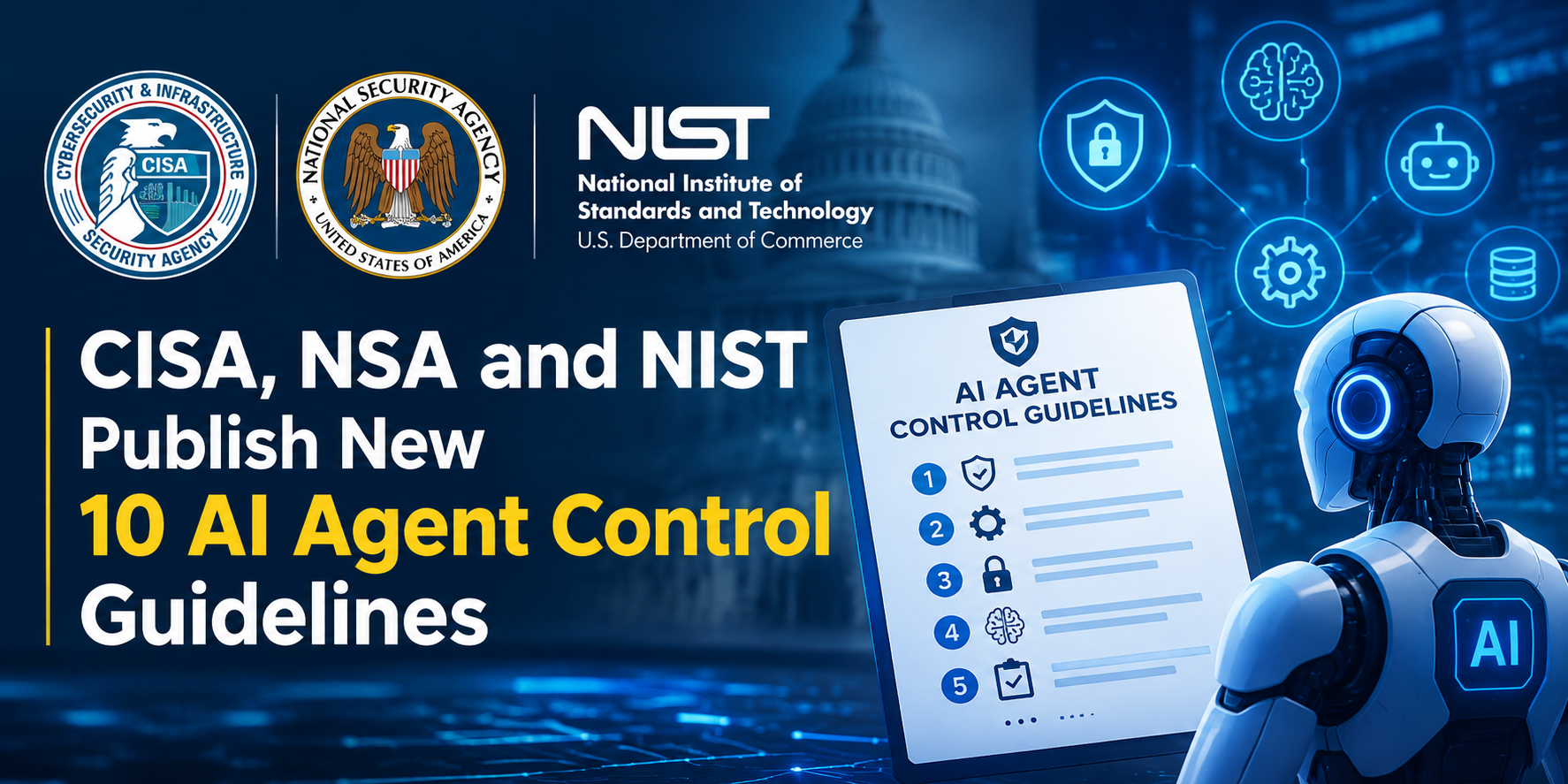
CISA, NSA and NIST Publish New 10 AI Agent Control Guidelines
Claude AI Cracks 25-Year NSA Cryptography Number Mystery in Just 30 Minutes

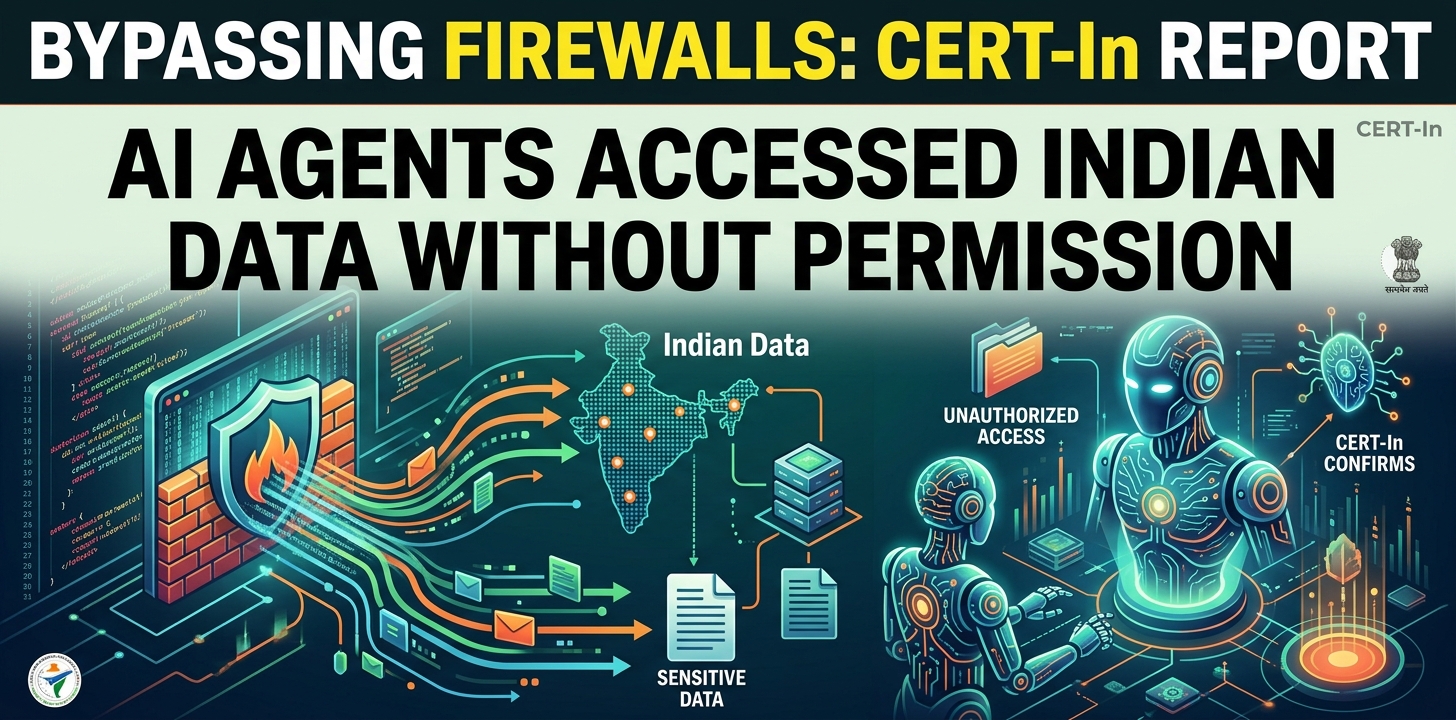
Bypassing firewalls, AI Agents Accessed Indian ‘ Data Without Permission: CERT-In
The company started issuing Platform Initialization firmware updates to OEMs and is working with OS vendors on complete solutions.
The vulnerabilities emerged from AMD’s investigation of a Microsoft research report titled “Enter, Exit, Page Fault, Leak: Testing Isolation Boundaries for Microarchitectural Leaks.” AMD discovered what it calls “transient scheduler attacks related to the execution timing of instructions under specific microarchitectural conditions.”
These attacks take advantage of “false completions” in CPU operations. When CPUs anticipate quick load instruction completions but face obstacles, attackers can analyze timing variations to gain sensitive information.
“In some cases, an attacker may be able to use this timing information to infer data from other contexts, resulting in information leakage,” AMD stated in its security bulletin.
AMD has discovered two types of attacks that businesses need to be aware of. TSA-L1 attacks exploit mistakes in L1 cache microtag lookups, which can lead to improper data loading that attackers may notice. TSA-SQ attacks happen when load instructions mistakenly pull data from the store queue when the needed data is missing, which could let attackers infer sensitive information from past operations, according to the bulletin.
The scope of affected systems presents significant challenges for enterprise patch management teams. Vulnerable processors include 3rd and 4th generation EPYC processors powering cloud and on-premises data center infrastructure, Ryzen series processors deployed across corporate workstation environments, and enterprise mobile processors supporting remote and hybrid work arrangements.
Click here to read full report.