InfoSecBulletin Cybersecurity for mankind

In 2025, cyberattacks are increasing in frequency and scale, and 2026 will likely see no relief. New technologies like agentic AI and quantum computing present risks and benefits. Ultimately, humans remain the weakest link and the strongest defense.
Experts predict that by 2026, cybercrime could become the world’s third-largest economy after the U.S. and China, costing businesses around $20 trillion. Here are the key trends that will drive this surge in global crime over the next year.
Hacker claim to access Rajasthan Police data: 70,000 records allegedly exposed

Update now! PHP2Shell: Critical PHP vulnerabilities patched

Trump says data centres should pay dividends to local community

Hackers Actively Exploiting Palo Alto VPN Flaw Via CVE-2026-0257

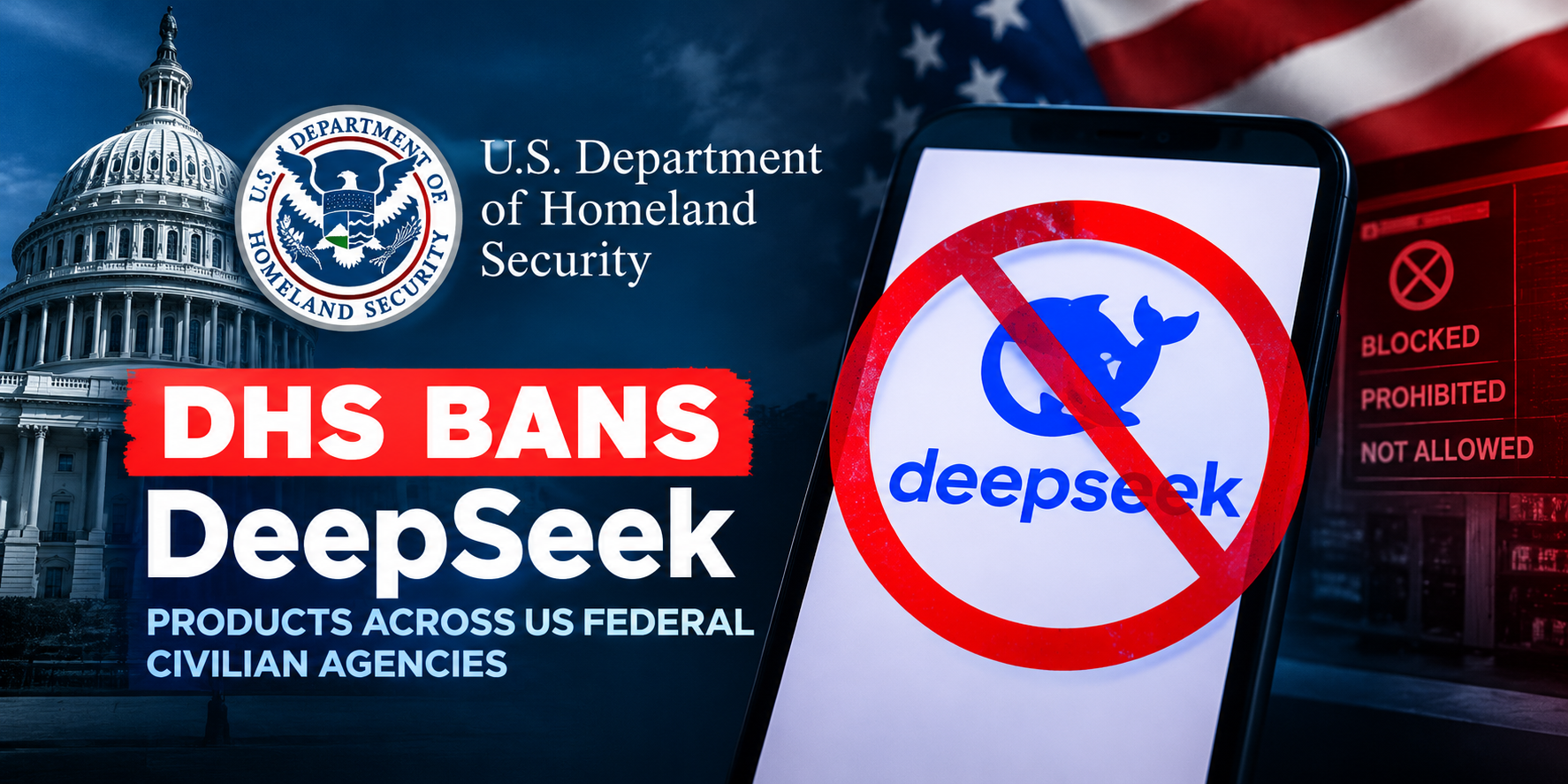
DeepSeek AI banned by U.S. Government; federal agencies must remove all related tools
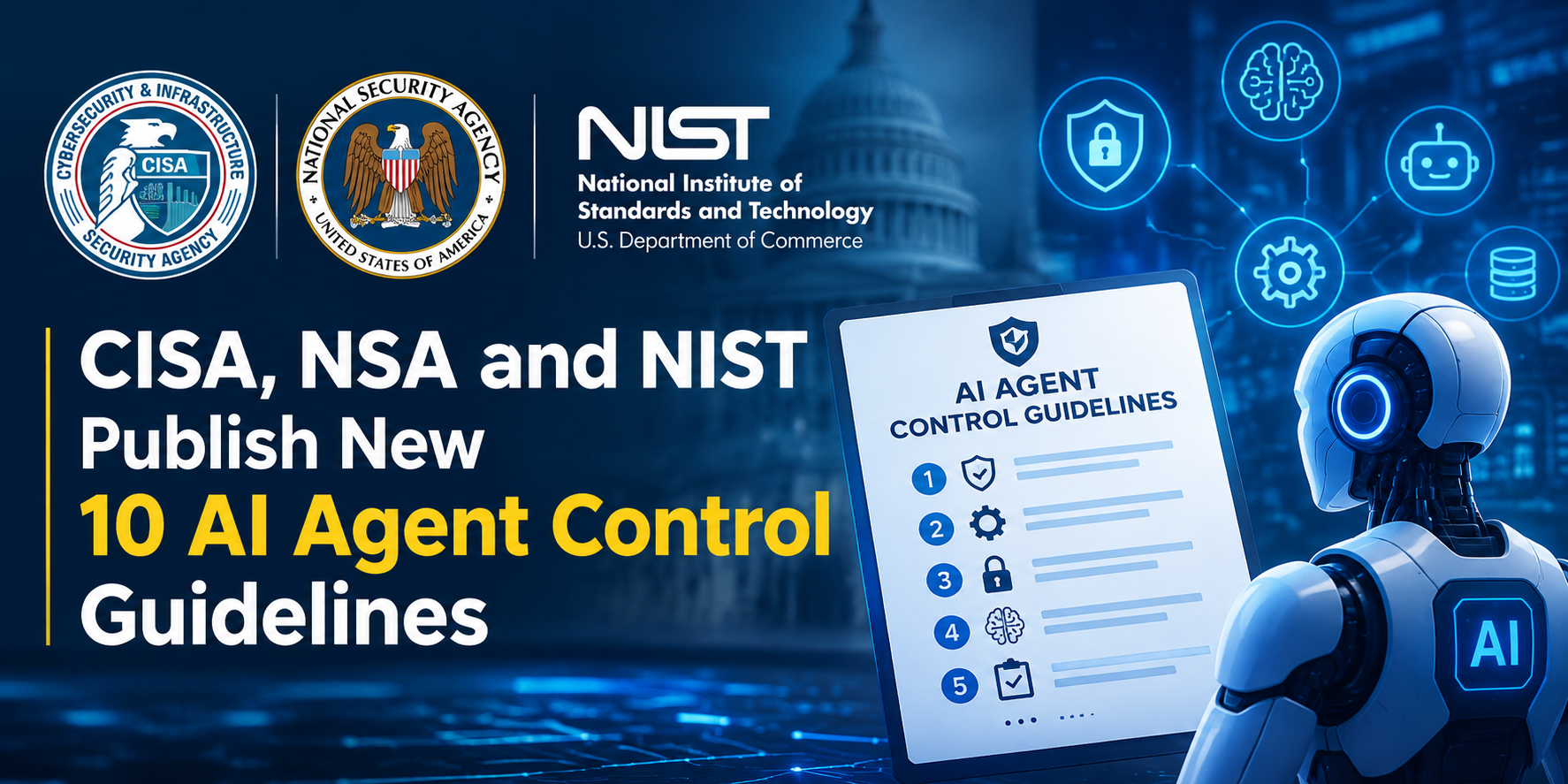
CISA, NSA and NIST Publish New 10 AI Agent Control Guidelines
Claude AI Cracks 25-Year NSA Cryptography Number Mystery in Just 30 Minutes

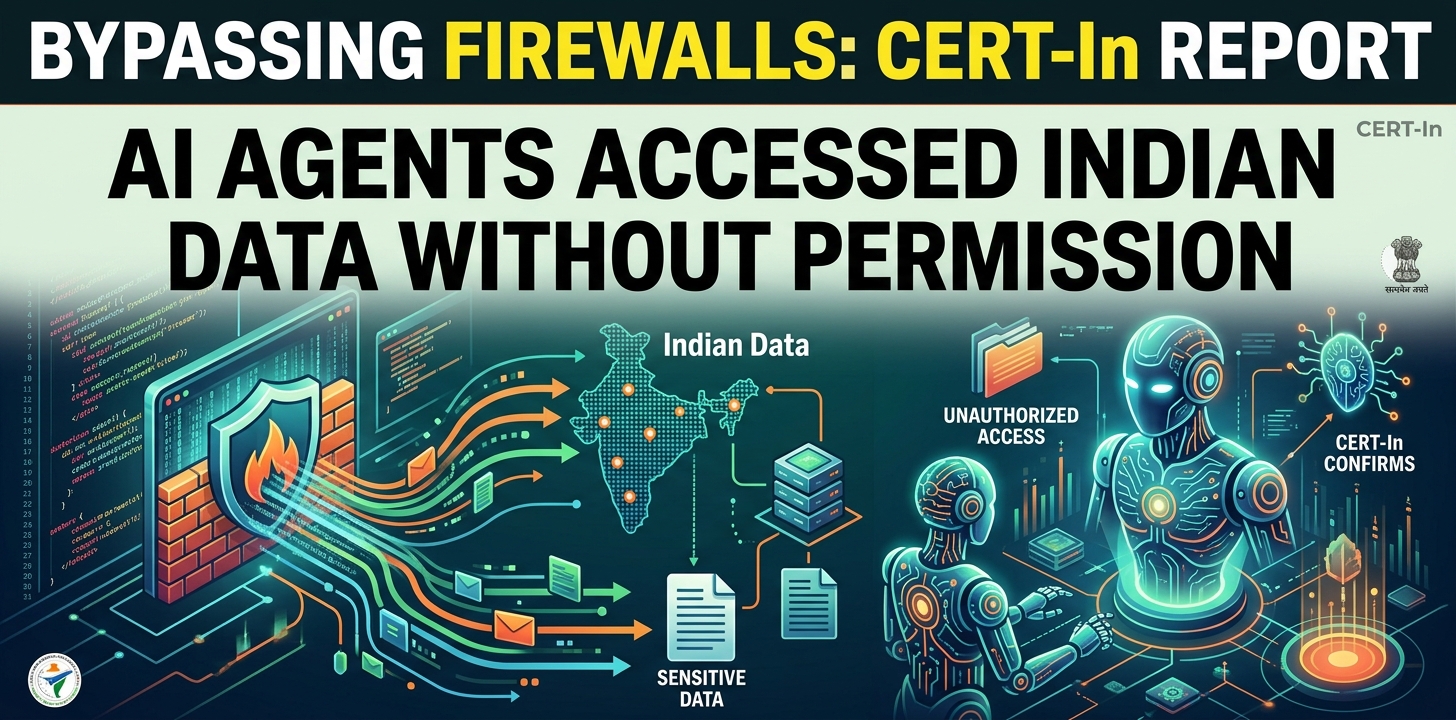
Bypassing firewalls, AI Agents Accessed Indian ‘ Data Without Permission: CERT-In
MITRE ATT&CK v20 Unveils 9 New Attack Techniques On AI Exploits, MFA Bypass, and CAPTCHA Evasion

Hackers Exploit Fortinet Flaws to Deploy Stealthy PEERSTITCH Malware on FortiGate Firewalls

- Agentic Cyber Attack And Defense:
AI agents are the new frontline of the cybercrime battlefield. Capable of acting autonomously and interfacing with third-party services, they will allow attackers to carry out more sophisticated attacks, probing defenses to find weaknesses and launching evolving social engineering attempts. But they also provide defenders with powerful new options for autonomous detection and response. In 2026, this means they are the latest escalation of the cybersecurity arms race, raising the stakes for both criminals and businesses.
2. Deepfake And Synthetic Cyber Attacks
Deepfaked audio and video create new possibilities for attackers to mimic trusted individuals and access secure systems. There have already been instances of employees being tricked into transferring vast amounts of money after receiving spoofed phone calls from their boss and as the technology becomes more sophisticated and difficult to differentiate from reality, this will become a more frequent occurrence.
3. The Evolving Ransomware Threat:
Attacks involving locking away vital business data and extorting money in exchange for its return continue to increase and will become more advanced in 2026. The growing availability of ransomware-as-a-service tools means even non-tech-savvy criminals can launch these attacks, and deepfake technology makes it easier to get past human defenses. On top of this, new, more anonymous cryptocurrencies make it easier to transfer, launder and spend ill-gotten gains without fear of repercussion.
4. Strengthening The Weakest Link:
The weakest link in security infrastructure is usually humans. Criminals often find it’s easier to trick, bribe or blackmail people into revealing access credentials than it is to break through sophisticated technological security barriers. In response, businesses will invest more heavily in training workers to be aware of threats, running simulated social engineering attacks and building cultures of security awareness across their organizations.
5. Quantum Security:
Quantum computers will take seconds to solve problems that would take today’s most powerful computers centuries, transforming science, healthcare and finance. But they also pose a serious threat to encryption that secures sensitive data and communications. Criminals are already harvesting vast quantities of data, ready for the day that quantum technology makes it readable. In 2026, the focus will be on identifying vulnerabilities and migrating to quantum-safe encryption before it’s too late.
6. Regulatory And Legislative Overhaul:
Regulators and lawmakers have so far struggled to keep pace with the rapid evolution of cybercrime. This isn’t about punishing criminals (who don’t tend to obey laws anyway) but putting pressure on companies to make sure valuable customer data is protected. Measures like the US SEC’s new rules on cyber disclosure will force companies to report and document breaches, while the EU NIS2 directive will expand the obligation of businesses to implement resilience measures. Whether this will help stem the tide of data theft and extortion in 2026 remains to be seen.
7. Cyber Warfare On The Global Stage:
The war in Ukraine has demonstrated that cyber attacks targeting critical infrastructure, communications networks and supply chains, as well as disinformation campaigns, are now everyday weapons of war. State-sponsored and terrorist campaigns strike at energy and healthcare systems and sow economic chaos by disrupting business and commerce. Deepfakes are widely used to embarrass politicians and undermine confidence in democratic processes. In 2026, cybercrime isn’t just about threats to individual privacy and business finances; it’s a major national security crisis. We will see governments ramp up their spending on cyber defense and research and form new alliances to counter this threat.
The Time to Prepare is Now:
The cybersecurity landscape of 2026 represents a critical inflection point where emerging technologies amplify both criminal capabilities and defensive opportunities. The scale of the threat can sometimes seem overwhelming, but organizations that proactively invest in quantum-safe encryption, AI-powered defenses and human training will be best positioned to survive and thrive. The key takeaway is that the time to act is now, before the criminals gain an even greater advantage.