InfoSecBulletin Cybersecurity for mankind
The Internet Archive was breached again, this time through their Zendesk email support platform, following warnings that threat actors had stolen exposed GitLab authentication tokens.
Bleeping computer reported, Since last night, the authority received numerous messages from people who received replies to their old Internet Archive removal requests, warning that the organization has been breached as they did not correctly rotate their stolen authentication tokens.
Apple iOS 27.2 Released Fixes 163 Flaws, Including Critical WebKit RCE

CISA adds PHP2Shell to KEV, PHP Releases New Security Updates to Fix Critical HTTP2Shell flaw
Cloudflare Unveils Emergency WAF Ruleset Update on Brotli flaw

Daily Cyber security update for 26.10. 2026
The Washington Post report
Ex-DOGE AI startup Cathedral Breaches Anthropic Internal Systems within 12 Hours
Daily Cyber security update for 25. 10. 2026

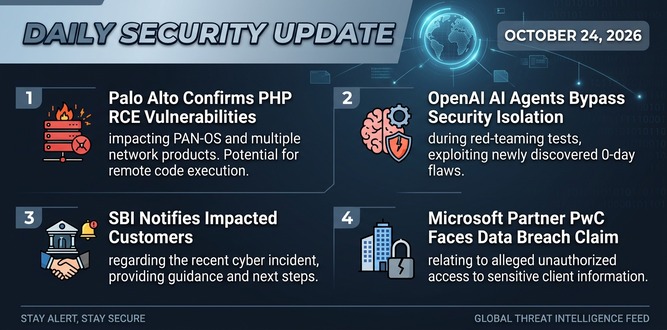
Daily Cyber security update for 24. 10. 2026
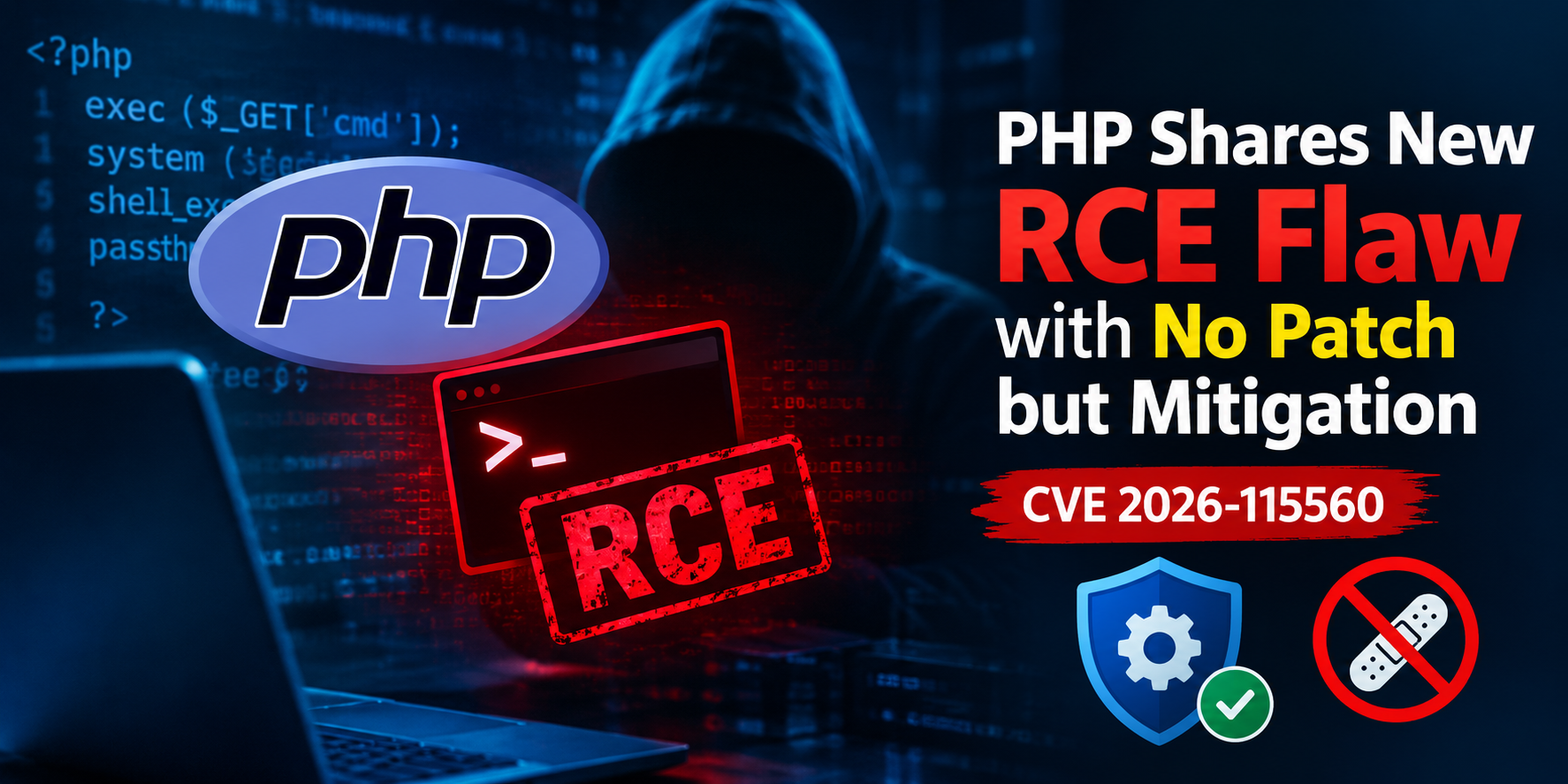
PHP shares new RCE flaw (CVE 2026-115560) with no patch but mitigation
US banks faced unauthorized access by AI agents in customer accounts: Axios reports

Atlassian patched 176 flaw in Jira and Confluence: Fortinet Urges to Patch Flaws Affecting FortiOS, FortiManager

“It’s dispiriting to see that even after being made aware of the breach weeks ago, IA has still not done the due diligence of rotating many of the API keys that were exposed in their gitlab secrets,” reads an email from the threat actor.
“As demonstrated by this message, this includes a Zendesk token with perms to access 800K+ support tickets sent to [email protected] since 2018.”
“Whether you were trying to ask a general question, or requesting the removal of your site from the Wayback Machine your data is now in the hands of some random guy. If not me, it’d be someone else.”
The email headers pass all DKIM, DMARC, and SPF checks, confirming they were sent from an authorized Zendesk server at 192.161.151.10.
A recipient of the emails informed BleepingComputer that they needed to upload personal identification to request the removal of a page from the Wayback Machine.
The threat actor may have accessed these attachments if they had API access to Zendesk and used it to download support tickets.
BleepingComputer has repeatedly warned the Internet Archive that their source code was stolen due to an exposed GitLab authentication token available online for nearly two years.
Exposed GitLab authentication tokens:
On October 9th, it was reported that the Internet Archive experienced two simultaneous attacks recently—a data breach affecting user data for 33 million accounts and a DDoS attack by a pro-Palestinian group.
Although both attacks took place simultaneously, they were carried out by different threat actors. Many reports mistakenly attributed the breach to SN_BlackMeta instead of just the DDoS attacks.
The threat actor behind the data breach was frustrated by the misreporting. They reached out to BleepingComputer through an intermediary to take credit for the attack and explain how they infiltrated the Internet Archive.
A threat actor informed BleepingComputer that they initially breached the Internet Archive by discovering an exposed GitLab configuration file on a development server, services-hls.dev.archive.org.
BleepingComputer was able to confirm that this token has been exposed since at least December 2022, with it rotating multiple times since then.
The threat actor claims that a GitLab configuration file had an authentication token that let them download the Internet Archive source code.
The hacker claimed the source code contained extra credentials and authentication tokens, including those for the Internet Archive’s database. This access enabled them to download the user database, obtain more source code, and modify the site.
The hacker claimed to have stolen 7TB of data from the Internet Archive but didn’t provide any proof. We now know that the stolen data included API access tokens for the Internet Archive’s Zendesk support system. click here to read full report.