InfoSecBulletin Cybersecurity for mankind

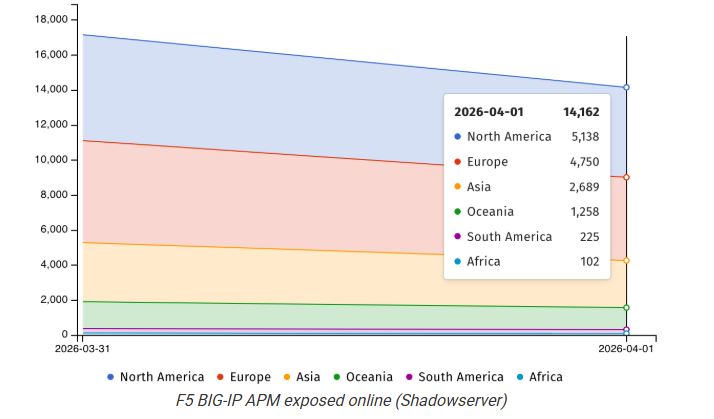
Shadowserver has found more than 14,000 BIG-IP APM instances visible on the internet during ongoing attacks that use a remote code execution (RCE) weakness. BIG-IP APM is F5’s centralized access management proxy solution designed to help admins secure access to their organizations’ networks, cloud, applications, and application programming interfaces (APIs).
Hacker stole Meta GitHub repos; Stole Source Code

Urgent patch! Zoom,NVIDIA and IBM Patch 41 Security flaws

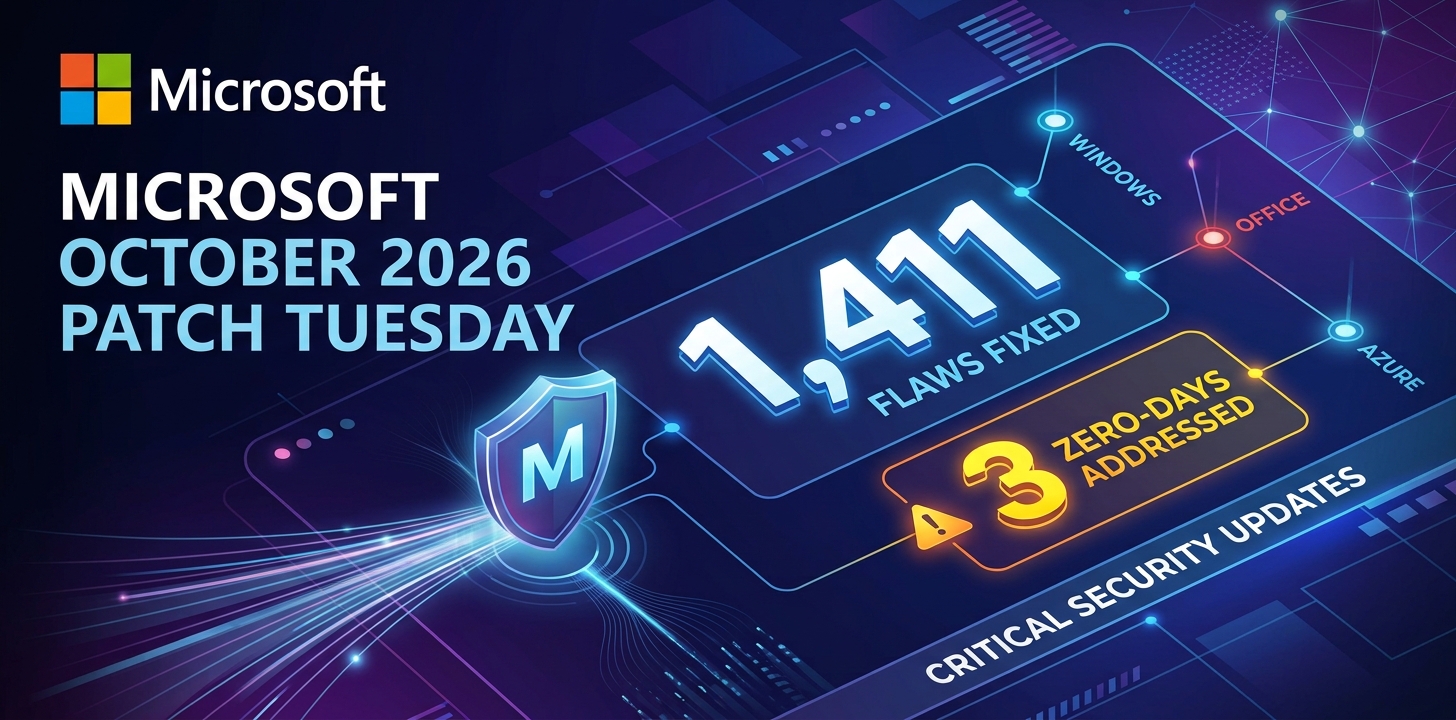
Microsoft patches record braking 1411 flaws; 2 zero days
Anthropic unveils “OSS Scanner” Free AI Vulnerability Scanner for Open-Source Projects

Rise on RCE Exploits Targeting Hikvision Camera Flaw

FortiBleed Attack Compromised 80,000+ Devices, SonicWall Patches 4 SMA1000 Flaws CVSS 10

Critical Atlassian & IBM Flaws Expose Files and Enable Remote Code Execution

Citrix NetScaler SAML 0-Day Flaw Under Attack

Major Danish university breached, 200,000 users at risk

Microsoft’s X account hijacked to promote Clippy crypto scam

This flaw is 5 months old and named CVE-2025-53521. It was announced in October as a denial-of-service (DoS) problem. It was changed to an RCE bug over the weekend.
“Due to new information obtained in March 2026, the original vulnerability is being re-categorized to an RCE. The original CVE remediation has been validated to address the RCE in the fixed versions. We have learned that this vulnerability has been exploited in the vulnerable BIG-IP versions,” F5 warned in a Sunday advisory update.
There is no known number of BIG-IP APM setups on the Internet that have vulnerable misconfigaration. Shadowserver, a non-profit that monitors online threats, said on Wednesday that it now sees more than 17,100 IP addresses with BIG-IP APM signs.
More than 14,000 BIG-IP APM systems are still at risk of CVE-2025-53521 attacks, says Shadowserver. This is despite the U.S. Cybersecurity and Infrastructure Security Agency (CISA) telling federal agencies to fix their BIG-IP APM systems by midnight on Monday after naming the issue a serious threat on Friday.
F5 warns to check logs, and terminal history of BIG-IP devices for any bad activity. It also offers advice on what to do if you find signs of compromise, like rebuilding the affected systems completely.
“If customers do not know exactly when the system was compromised, user configuration set (UCS) backups may have been created after the compromise occurred,” the company said. “F5 strongly recommends that customers rebuild the configuration from a known good source because UCS files from compromised systems can contain persistent malware.”
F5 offers cybersecurity, application delivery networking (ADN), and other services to over 23,000 customers, including 48 of the biggest 50 companies.
In recent years, vulnerabilities in BIG-IP have been targeted by both nation-state and cybercrime threat groups to breach corporate networks, hijack devices, deploy data-wiping malware, map internal servers, and steal sensitive data.