 InfoSecBulletin Cybersecurity for mankind
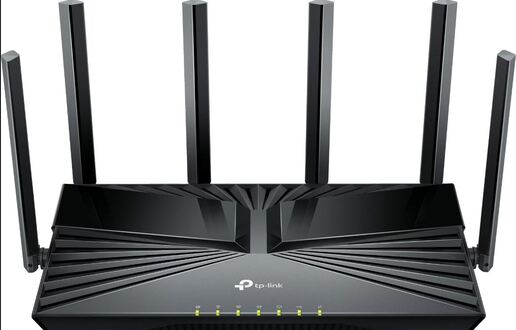
Texas sued networking giant TP-Link Systems, accusing the company of deceptively marketing its routers as secure while allowing Chinese state-backed hackers to exploit firmware vulnerabilities and access users’ devices.
The lawsuit follows an investigation launched in October and claims that TP-Link misled buyers by labeling its products “Made in Vietnam” while sourcing nearly all components from China. According to Texas Attorney General Paxton, this is important because Chinese law can compel companies with Chinese supply-chain ties to cooperate with government intelligence requests and hand over user data.
Cloudflare Unveils Emergency WAF Ruleset Update on Brotli flaw

Daily Cyber security update for 26.10. 2026

The Washington Post report
Ex-DOGE AI startup Cathedral Breaches Anthropic Internal Systems within 12 Hours

Daily Cyber security update for 25. 10. 2026

Daily Cyber security update for 24. 10. 2026
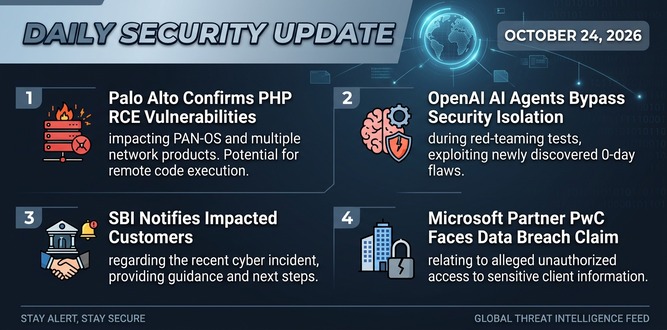
PHP shares new RCE flaw (CVE 2026-115560) with no patch but mitigation

US banks faced unauthorized access by AI agents in customer accounts: Axios reports

Atlassian patched 176 flaw in Jira and Confluence: Fortinet Urges to Patch Flaws Affecting FortiOS, FortiManager

Hacker claim to access Rajasthan Police data: 70,000 records allegedly exposed

Update now! PHP2Shell: Critical PHP vulnerabilities patched

“This week, my office is launching a coordinated series of actions against CCP-aligned companies to send a clear message that in the Lone Star State we will always put Texas and America First,” said Paxton. “TP Link will face the full force of the law for putting Americans’ security at risk. Let this serve as a clear warning to any Chinese entity seeking to compromise our nation’s security.”
The lawsuit highlights past security issues, such as weaknesses in firmware used by Chinese hackers and the company’s routers being part of a major credential theft operation linked to password attacks.
“Despite its claims of privacy and security, TP Link’s products have been used by People’s Republic of China’s (“PRC”) state-sponsored hacking entities to launch multiple cyber-attack operations against the United States,” Paxton added.
“With nearly all of its products’ parts imported from China, TP Link’s deliberate deception towards Texans regarding the nationality, privacy, and security capabilities of its networking devices is not just illegal—it is also a national security threat that enables the secret surveillance and exploitation of Texas consumers.”
Paxton now seeks civil monetary penalties and injunctions that would require TP-Link to disclose the Chinese origins of its devices and stop collecting consumer data without informed consent.
A TP-Link spokesperson told BleepingComputer that Texas Attorney General Paxton’s allegations are “without merit and will be proven false,” that neither the Chinese government nor the Chinese Communist Party (CCP) exercises control over the company, its products, or user data, and added that all U.S. user data is stored on Amazon Web Services servers.
“TP-Link Systems Inc. is an independent American company. Neither the Chinese government nor the CCP exercises any form of ownership or control over TP-Link, its products, or its user data. TP-Link’s founder and CEO, Jeffrey Chao, resides in Irvine, CA, and is not and never has been a member of the CCP,” the spokesperson said.
“To ensure the highest level of security, our core operations and infrastructure are located entirely within the United States, and all U.S. users’ networking data is stored securely on Amazon Web Services servers. We will continue to vigorously defend our reputation as a trusted provider of secure connectivity for American families.”