InfoSecBulletin Cybersecurity for mankind
SonicWall has revealed a vulnerability in its SonicOS SSLVPN Virtual Office interface that could let remote attackers crash firewall appliances. Identified as CVE-2025-32818, this high-severity vulnerability has a CVSS score of 7.5, posing significant risks for enterprises using SonicWall Gen7 devices for secure network access.
The official advisory states that a Null Pointer Dereference vulnerability in the SonicOS SSLVPN Virtual Office interface lets a remote, unauthenticated attacker crash the firewall, which could cause a Denial-of-Service (DoS) situation.
Daily Cyber security update for 24. 10. 2026
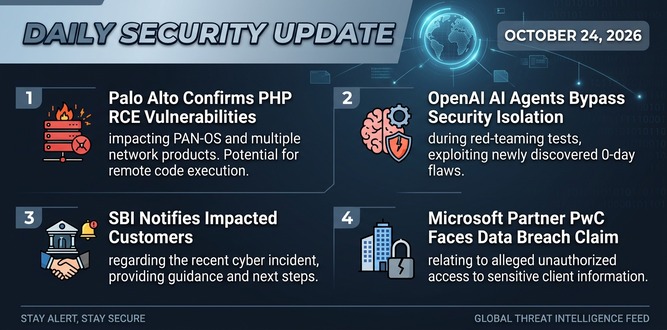
PHP shares new RCE flaw (CVE 2026-115560) with no patch but mitigation
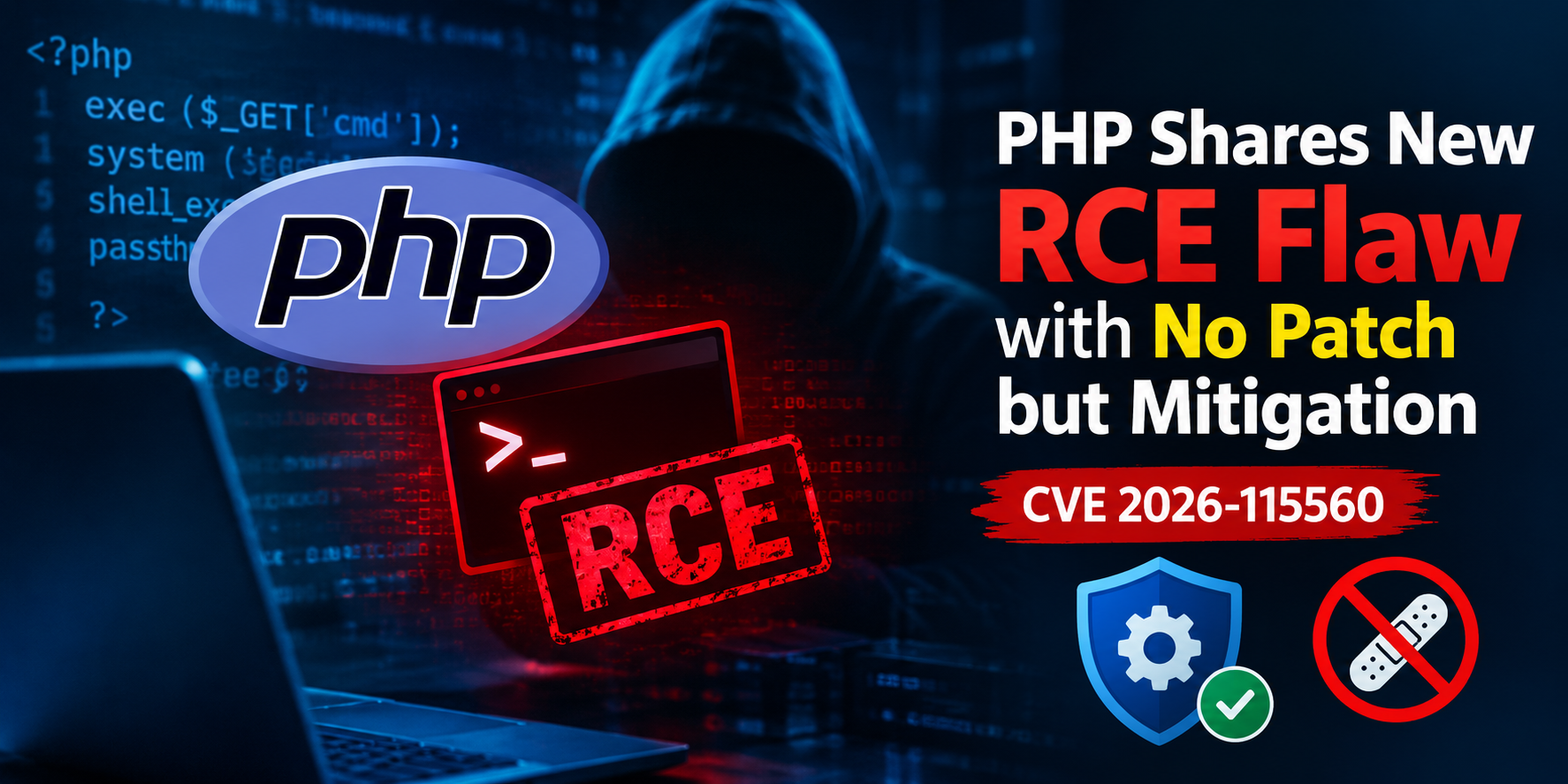
US banks faced unauthorized access by AI agents in customer accounts: Axios reports

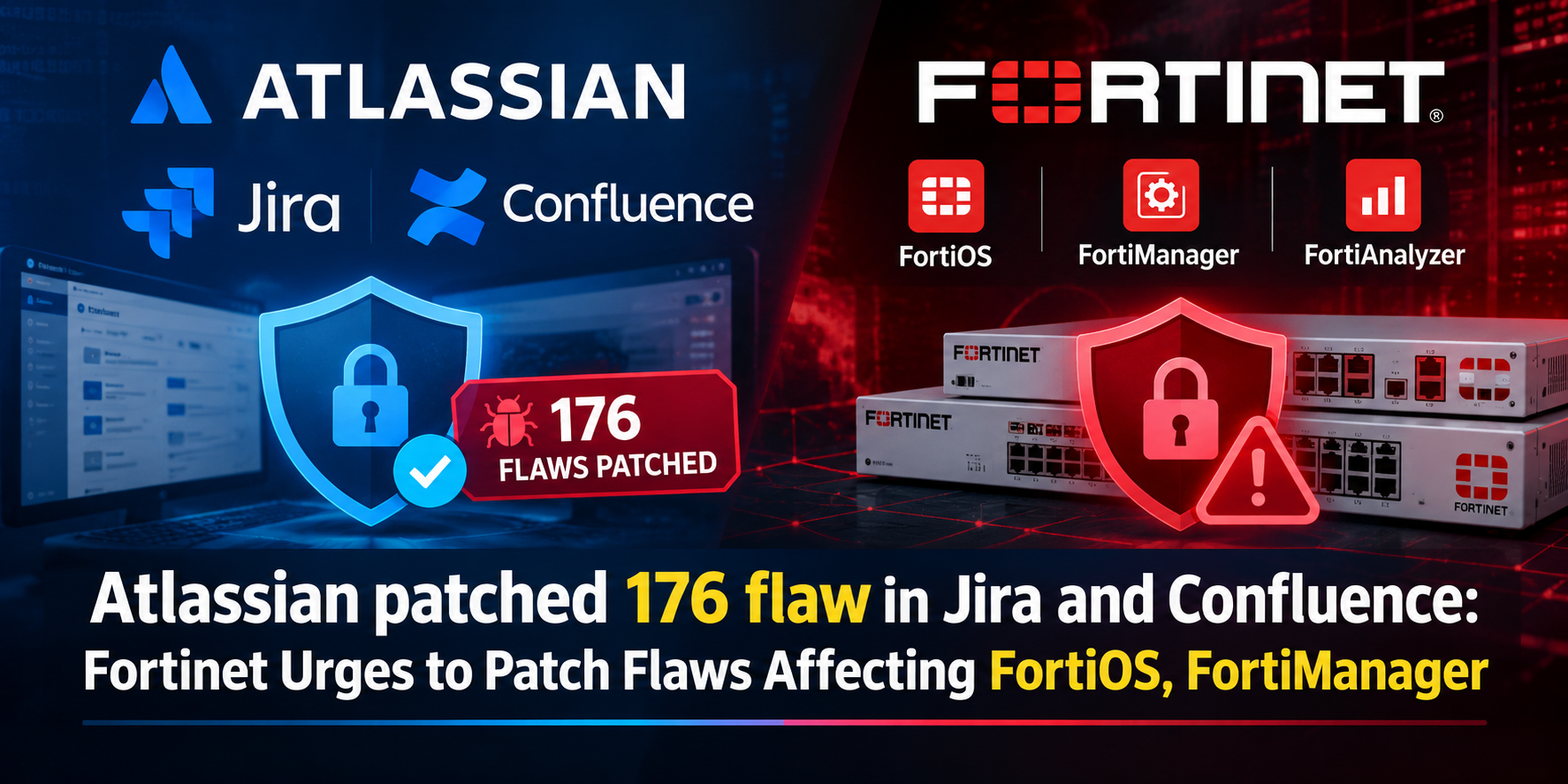
Atlassian patched 176 flaw in Jira and Confluence: Fortinet Urges to Patch Flaws Affecting FortiOS, FortiManager
Hacker claim to access Rajasthan Police data: 70,000 records allegedly exposed

Update now! PHP2Shell: Critical PHP vulnerabilities patched

Trump says data centres should pay dividends to local community

Hackers Actively Exploiting Palo Alto VPN Flaw Via CVE-2026-0257
DeepSeek AI banned by U.S. Government; federal agencies must remove all related tools
CISA, NSA and NIST Publish New 10 AI Agent Control Guidelines
This flaw allows attackers to take the firewall offline by sending specific requests to the SSLVPN interface, without needing authentication.
The vulnerability affects a wide range of SonicWall’s Gen7 virtual and physical firewalls, including:
Gen7 NSv: NSv 270, NSv 470, NSv 870
Gen7 Firewalls: TZ270, TZ270W, TZ370, TZ370W, TZ470, TZ470W, TZ570, TZ570W, TZ570P, TZ670
NSa Series: NSa 2700, 3700, 4700, 5700, 6700
NSsp Series: 10700, 11700, 13700, 15700
TZ80 (firmware 8.0.0-8037 and earlier)
Affected versions range from 7.1.1-7040 to 7.1.3-7015 (for 7.1.x releases) and 8.0.0-8037 and earlier for the TZ80.
SonicWall has quickly resolved this issue in recent firmware updates. Users should upgrade to:
Version 7.2.0-7015 or higher for Gen7 Firewalls and NSv
Version 8.0.1-8017 or higher for TZ80 devices
Enterprises are advised to implement these updates right away to reduce the risk of a DoS attack.