InfoSecBulletin Cybersecurity for mankind
ShinyHunters claim to compromise over 3 million Salesforce records with personal data, GitHub files, AWS storage, and other compromised company information. On March 31st, ShinyHunters posted extortion demands targeting Cisco Systems. The hackers are threatening the company with “several annoying (digital) problems,” unless their demands are met by April 3rd.

Hacker stole Meta GitHub repos; Stole Source Code
Urgent patch! Zoom,NVIDIA and IBM Patch 41 Security flaws

Microsoft patches record braking 1411 flaws; 2 zero days
Anthropic unveils “OSS Scanner” Free AI Vulnerability Scanner for Open-Source Projects

Rise on RCE Exploits Targeting Hikvision Camera Flaw

FortiBleed Attack Compromised 80,000+ Devices, SonicWall Patches 4 SMA1000 Flaws CVSS 10

Critical Atlassian & IBM Flaws Expose Files and Enable Remote Code Execution

Citrix NetScaler SAML 0-Day Flaw Under Attack

Major Danish university breached, 200,000 users at risk

Microsoft’s X account hijacked to promote Clippy crypto scam

“A total of over 3M Salesforce records containing PII (personally identifiable information), Github repositories, AWS buckets, and other internal corporate data have been compromised,” ShinyHunters claims on its victim page on the dark web.
According to the post, the data comes from three breaches: voice phishing (UNC6040), Salesforce Aura, and AWS accounts. The attackers included two screenshots to back up their claims.
What do the hackers claim to have stolen?
One image shows the AWS EC2 Volumes screen, with many virtual hard drives in the cloud. Many of these likely hold hundreds of gigabytes of data. The screenshot has 5 pages, which means there could be more than 100 virtual storage drives.
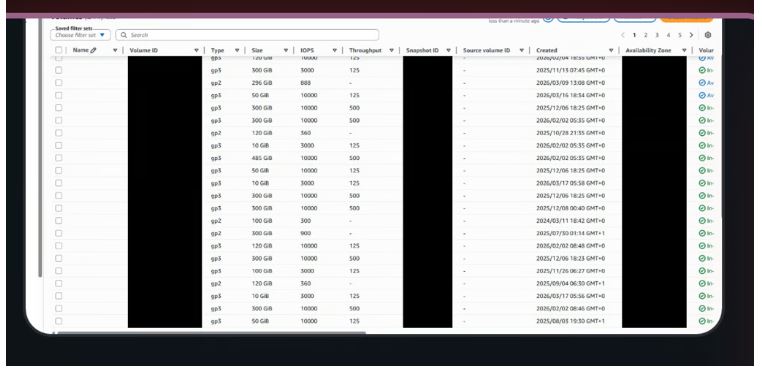
Some of the drive creation dates are specified as March 16th-17th, 2026, suggesting recent access. Another screenshot shows a list of AWS S3 buckets that are said to belong to Cisco. The names hint strongly that it is a Cisco setup, but no real data has been shared.

Neither the attacker claims nor the screenshots conclusively prove the breach. “A portion of the stolen repositories allegedly belongs to corporate customers, including banks, BPOs, and US government agencies,” Bleeping Computer reported.
At the same time, Bleeping Computer reported Cisco was hit by a cyberattack linked to the recent Trivy supply chain issue. The report states that hackers took several AWS keys and copied more than 300 GitHub repositories. This included the source code for an AI assistant, defense tools, and other AI products that have not been released.
“We cannot confirm the ShinyHunters’ claims as they did not upload the data yet, but looking at the sample screenshots, it seems plausible,” researchers said.
“This incident can be damaging to the company’s customers, and the main risks are confidential data exposure in general. Data from customers would give attackers a foothold to plan further attacks, and the personally identifiable information could be useful for social engineering, fraud, and other scams.”