InfoSecBulletin Cybersecurity for mankind

Cisco has revealed critical security flaws in its Identity Services Engine (ISE). These flaws could let attackers run harmful code from afar and get sensitive information, which is a big risk for business networks.
The flaw, noted as CVE-2026-20181 and CVE-2026-20190, were shared in advisory ID cisco-sa-ise-multi-G5WP8vv on June 17, 2026.
Claude AI Cracks 25-Year NSA Cryptography Number Mystery in Just 30 Minutes

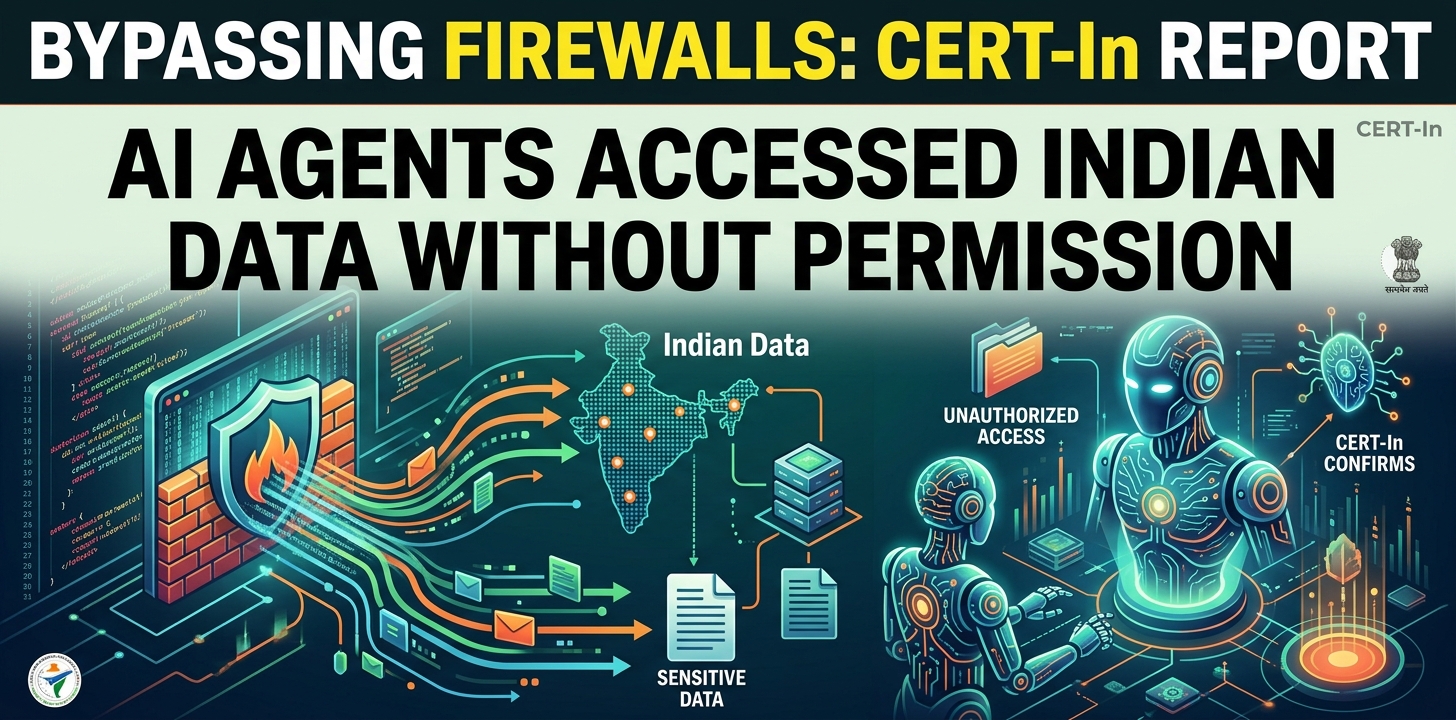
Bypassing firewalls, AI Agents Accessed Indian ‘ Data Without Permission: CERT-In
MITRE ATT&CK v20 Unveils 9 New Attack Techniques On AI Exploits, MFA Bypass, and CAPTCHA Evasion

Hackers Exploit Fortinet Flaws to Deploy Stealthy PEERSTITCH Malware on FortiGate Firewalls

Hacker stole Meta GitHub repos; Stole Source Code

Urgent patch! Zoom,NVIDIA and IBM Patch 41 Security flaws

Microsoft patches record braking 1411 flaws; 2 zero days

Anthropic unveils “OSS Scanner” Free AI Vulnerability Scanner for Open-Source Projects

Rise on RCE Exploits Targeting Hikvision Camera Flaw

FortiBleed Attack Compromised 80,000+ Devices, SonicWall Patches 4 SMA1000 Flaws CVSS 10

The flaws affect Cisco ISE and ISE Passive Identity Connector (ISE-PIC) setups, no matter how they are set up, and have a CVSS score of 9.1. The biggest flaw, CVE-2026-20181, is a remote code execution (RCE) weakness that happens because user input is not checked properly.
Cisco ISE RCE Vulnerability
Successful attacks let hackers run any commands on the operating system. They might first get user access and then increase their permissions to root, taking full control of the device.
In single-node setups, an attack can cause a denial-of-service. This stops new endpoints from connecting to the network until the system is fixed. This could trouble business access control systems that depend on Cisco ISE.
The second flaw, CVE-2026-20190, is a risk of information being revealed due to bad authorization checks. Unlike the RCE issue, this risk can be used by a remote attacker who is not logged in.
Attackers can send specially made requests to get sensitive information saved on the device, like hashed login details. They could use these details in more attacks, raising the risk of moving around the network.
Cisco said that all versions of ISE and ISE-PIC are impacted, but the exact flaws differ by version.
Cisco has provided fixes for the flaws in ISE 3.3 Patch 11 and ISE 3.4 Patch 6. A fix for ISE 3.5 Patch 4 is expected in August 2026. Earlier versions need to be updated to supported releases, and there are no workarounds. Therefore, patching is the only real solution.
Cisco’s Product Security Incident Response Team (PSIRT) said there is no proof of active attacks right now. But since it’s very serious and easy to exploit, businesses should focus on updates.
New Rokarolla Android malware hits 217 banking and crypto apps