InfoSecBulletin Cybersecurity for mankind

F5 has shared a security warning about serious flaws in NGINX. These issues could let attackers run any code and cause denial-of-service (DoS) attacks in affected systems.
The notice, published on June 17, 2026, points out important problems affecting NGINX Open Source, NGINX Plus, and related products like NGINX Gateway Fabric and NGINX Ingress Controller.
Claude AI Cracks 25-Year NSA Cryptography Number Mystery in Just 30 Minutes

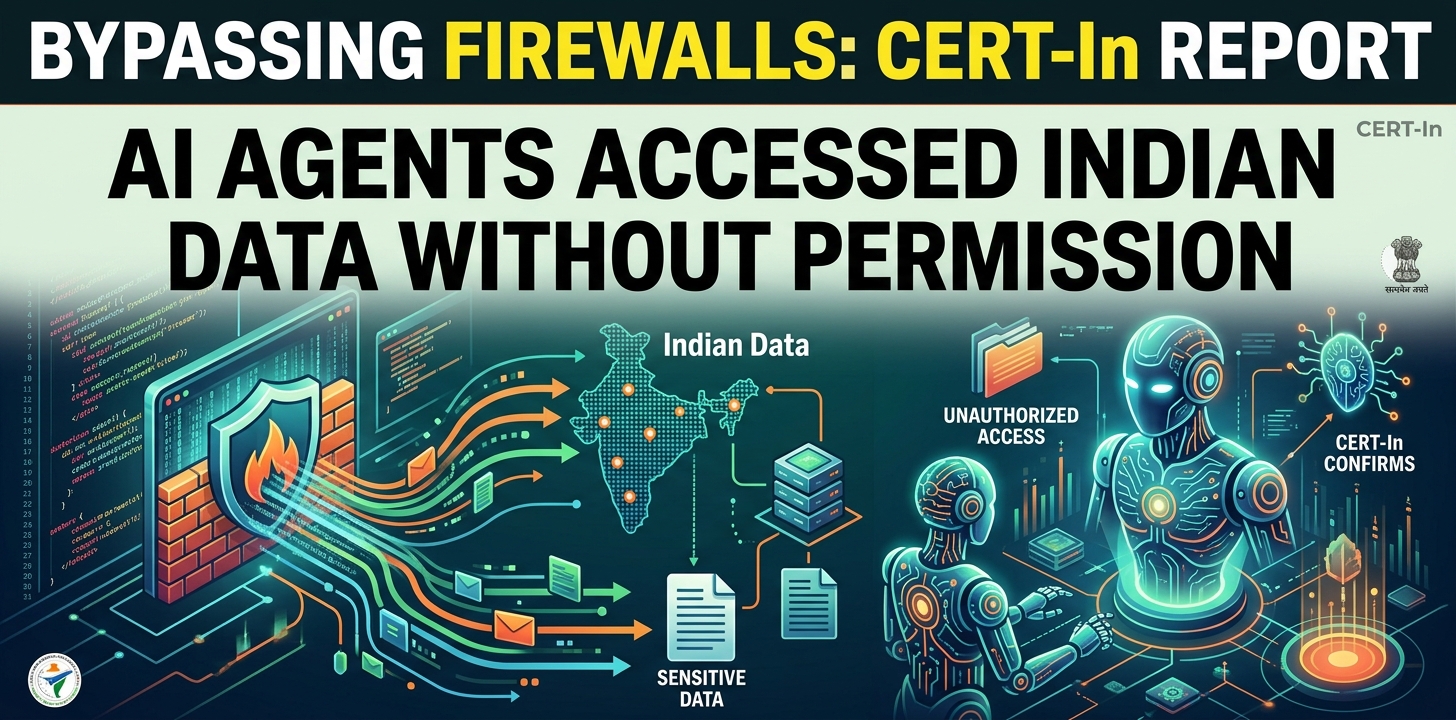
Bypassing firewalls, AI Agents Accessed Indian ‘ Data Without Permission: CERT-In
MITRE ATT&CK v20 Unveils 9 New Attack Techniques On AI Exploits, MFA Bypass, and CAPTCHA Evasion

Hackers Exploit Fortinet Flaws to Deploy Stealthy PEERSTITCH Malware on FortiGate Firewalls

Hacker stole Meta GitHub repos; Stole Source Code

Urgent patch! Zoom,NVIDIA and IBM Patch 41 Security flaws

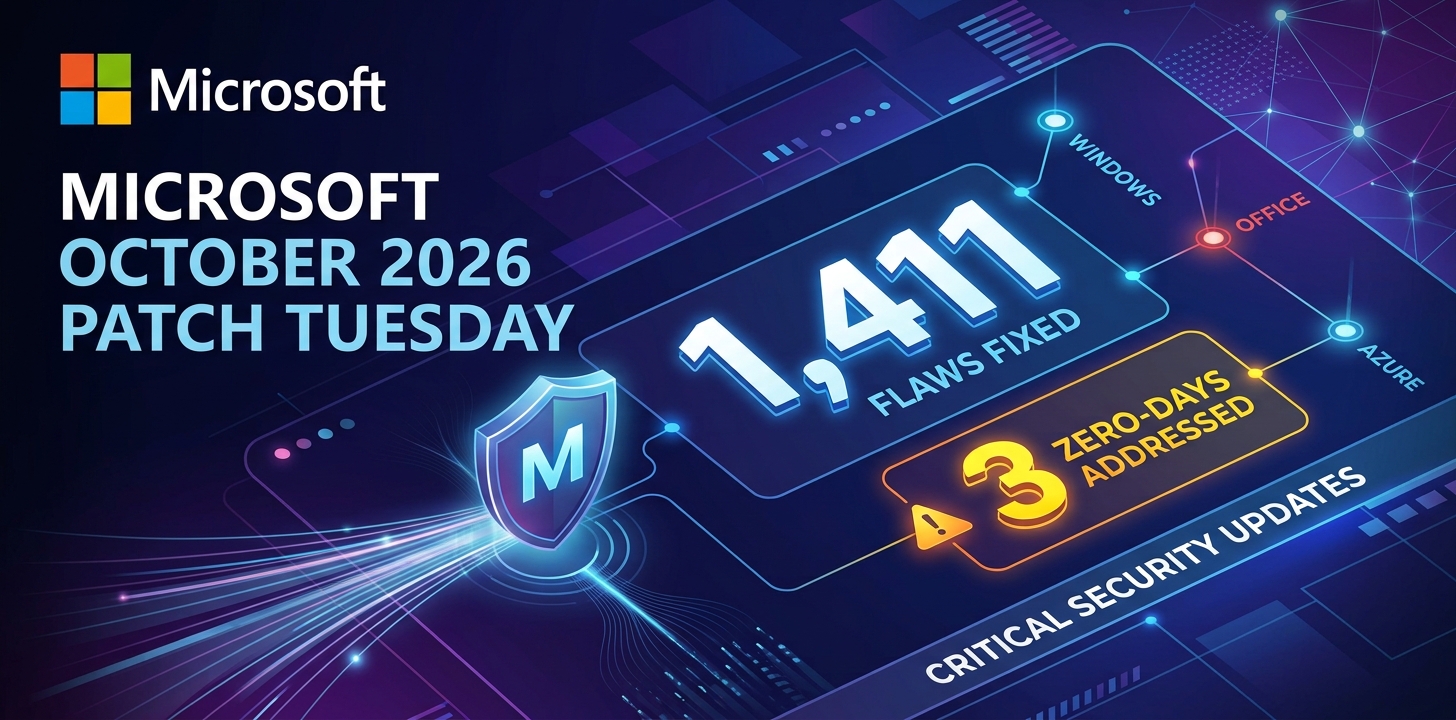
Microsoft patches record braking 1411 flaws; 2 zero days
Anthropic unveils “OSS Scanner” Free AI Vulnerability Scanner for Open-Source Projects

Rise on RCE Exploits Targeting Hikvision Camera Flaw

FortiBleed Attack Compromised 80,000+ Devices, SonicWall Patches 4 SMA1000 Flaws CVSS 10

Some of these flaws have CVSS v4.0 scores up to 9.2, showing a big risk to organizations using NGINX for web and app delivery. One serious flaw, known as CVE-2026-42530, affects the ngx_http_v3_module in NGINX. This issue impacts NGINX Open-Source versions 1.31.0 and 1.31.1 and has been fixed in version 1.31.2.
Successful exploitation might cause memory issues, which could allow remote code to run or disrupt services. Another serious problem, CVE-2026-42055, affects the ngx_http_proxy_v2_module and ngx_http_grpc_module.
This flaw impacts both NGINX Open Source and NGINX Plus setups. Security experts say that attackers might use this weakness to cause DoS issues or run harmful code in certain situations.
F5 Patches NGINX Vulnerability
The flaw has been fixed in NGINX Open Source versions 1.30.3 and 1.31.2, and in NGINX Plus release 37.0.2.1 and R36 P6.
F5 revealed more issues in NGINX Gateway Fabric, including CVE-2026-11311 and CVE-2026-50107, which are both serious. These problems affect versions 2.3.0 to 2.6.3 and are fixed in version 2.6.4.
Exploitation of these issues could result in service instability or unauthorized behavior within Kubernetes-based environments where Gateway Fabric is deployed.
In addition to high-severity flaws, the advisory includes medium-severity vulnerabilities such as CVE-2026-48142, which affects the ngx_http_charset_module.
This issue may not be very important, but it can still affect how the application works or lower service reliability if not fixed.
Several F5 and NGINX products, like NGINX Instance Manager, NGINX App Protect, and F5 WAF for NGINX, are affected but do not have direct fixes yet.
F5 suggests using fixes and checking settings until updates are available for these parts.
F5 Advisory K000161614 says that systems open to the internet are very risky and need to be updated right away with the latest fixes.