InfoSecBulletin Cybersecurity for mankind
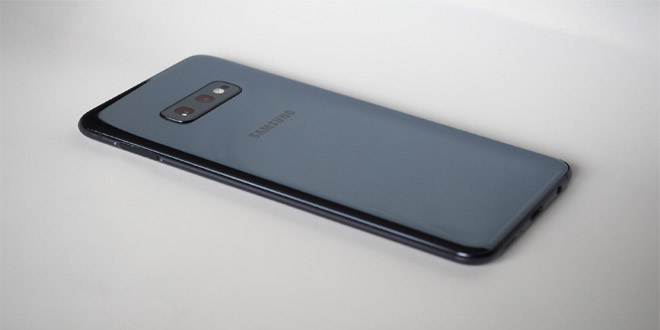
Samsung smartphone users have been warned by the vendor and the US Cyber security and Infrastructure Security Agency (CISA) about a vulnerability that is being actively exploited in attacks. The vulnerability, which is tracked as CVE-2023-21492, is a kernel pointer exposure issue related to log files. It can allow a privileged local attacker to bypass the ASLR exploit mitigation technique, which indicates that it has likely been chained with other bugs.
Samsung patched CVE-2023-21492 with its May 2023 security updates. The company said it learned about the flaw in mid-January and that certain Android 11, 12, and 13 devices are impacted.
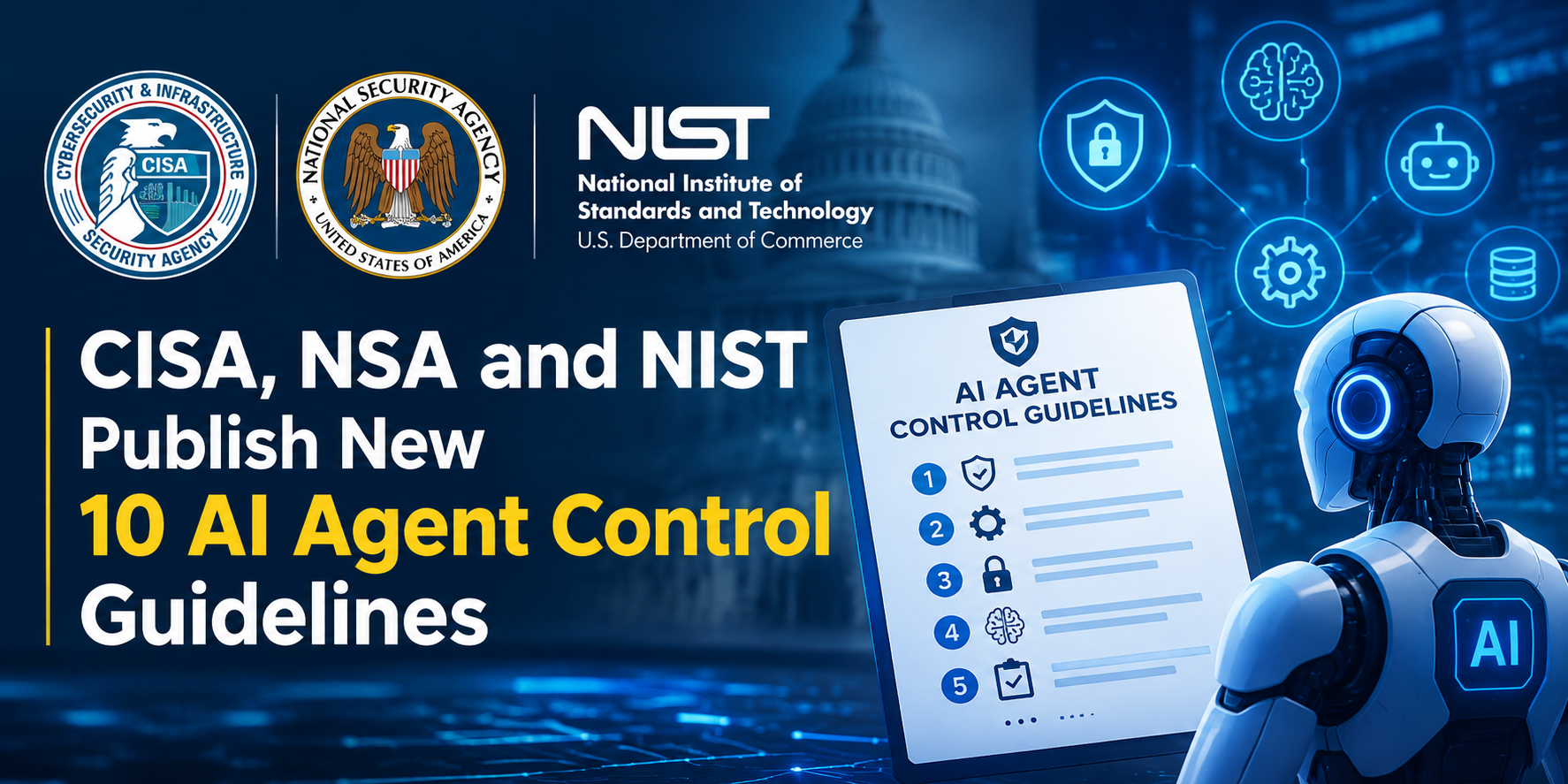
CISA, NSA and NIST Publish New 10 AI Agent Control Guidelines
Claude AI Cracks 25-Year NSA Cryptography Number Mystery in Just 30 Minutes

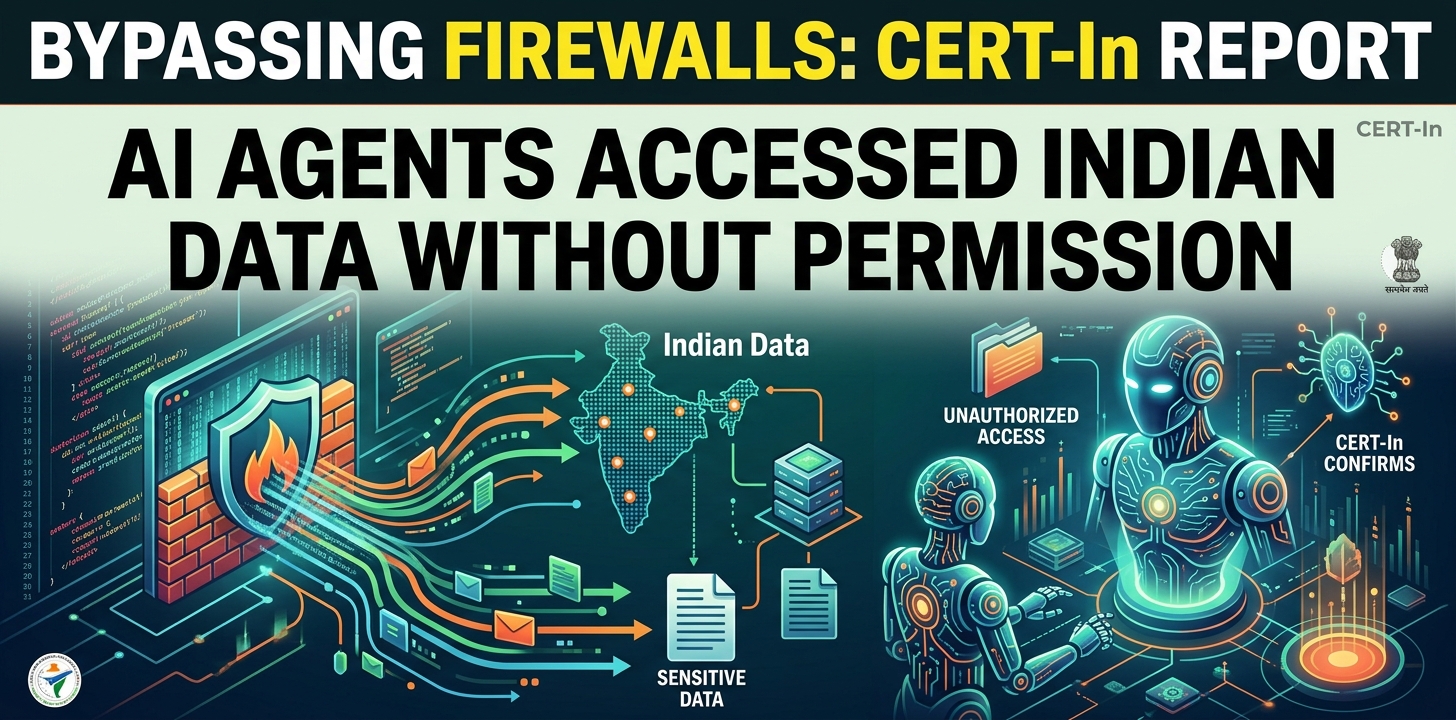
Bypassing firewalls, AI Agents Accessed Indian ‘ Data Without Permission: CERT-In
MITRE ATT&CK v20 Unveils 9 New Attack Techniques On AI Exploits, MFA Bypass, and CAPTCHA Evasion

Hackers Exploit Fortinet Flaws to Deploy Stealthy PEERSTITCH Malware on FortiGate Firewalls

Hacker stole Meta GitHub repos; Stole Source Code

Urgent patch! Zoom,NVIDIA and IBM Patch 41 Security flaws

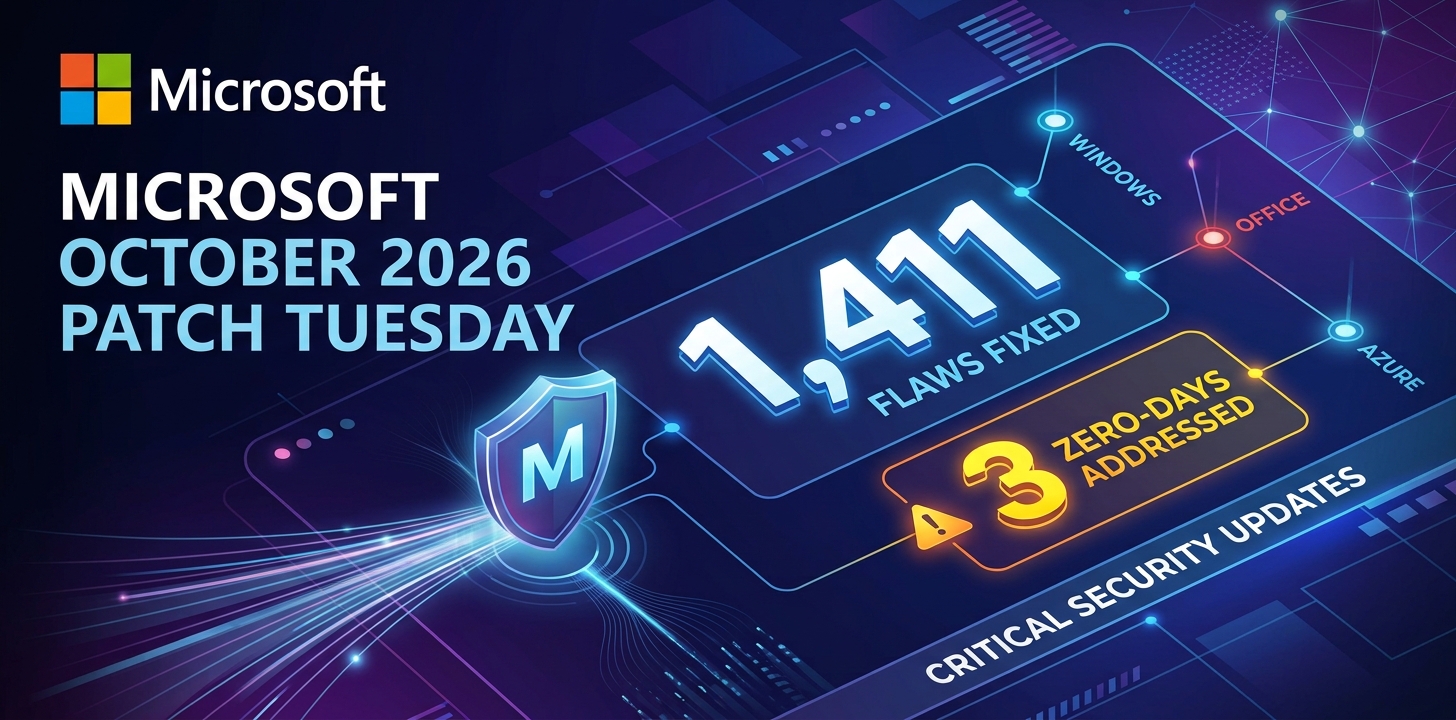
Microsoft patches record braking 1411 flaws; 2 zero days
Anthropic unveils “OSS Scanner” Free AI Vulnerability Scanner for Open-Source Projects

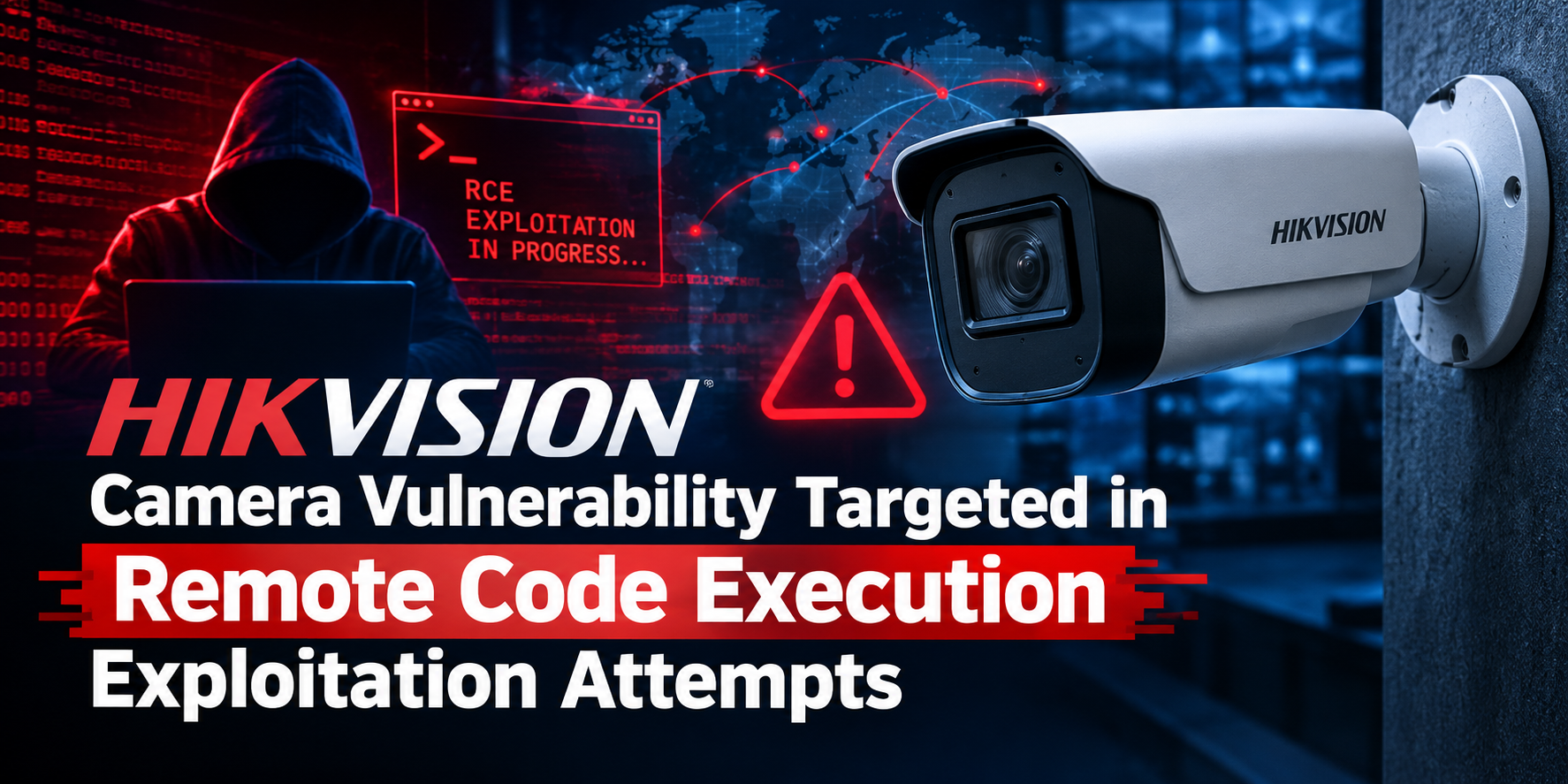
Rise on RCE Exploits Targeting Hikvision Camera Flaw
CISA added the bug to its Known Exploited Vulnerabilities (KEV) catalog on Friday, instructing government agencies to patch it by June 9.
The vulnerability was discovered by Google’s Threat Analysis Group, which suggests that it has likely been exploited by a commercial spyware vendor. Google noted in its zero-day exploitation database that CVE-2023-21492 was discovered in 2021.
Reports published by Google in recent months describe campaigns in which threat actors linked to spyware vendors attempted to hack Samsung smartphones through various zero-day and n-day vulnerabilities.
In one such campaign, discovered in December 2022, attackers attempted to deliver Android spyware to users in the United Arab Emirates through the Samsung Internet Browser. The attacks were linked by the internet giant to Variston, a Spanish commercial spyware vendor.
Google has also disclosed the details of several Samsung phone vulnerabilities with a 2021 CVE identifier that had been exploited by a spyware vendor while they still had a zero-day status. The company is aware of nine Samsung vulnerabilities discovered in 2021 that have been exploited in attacks.
In addition to CVE-2023-21492, CISA also added two Cisco IOS vulnerabilities to its KEV catalog on Friday. One of them is CVE-2016-6415, whose existence came to light in 2016 as a result of the Shadow Brokers leaks. The second is a very old DoS vulnerability tracked as CVE-2004-1464. Cisco warned customers about its exploitation back in 2004 when it released patches.
Users of Samsung smartphones are advised to install the May 2023 security updates as soon as possible to protect themselves from this vulnerability. They are also advised to be aware of the signs of a cyberattack, such as unusual pop-ups, redirects, or changes in the behavior of their device. If they suspect that they have been infected with malware, they should contact their IT support or a cybersecurity professional.