 InfoSecBulletin Cybersecurity for mankind
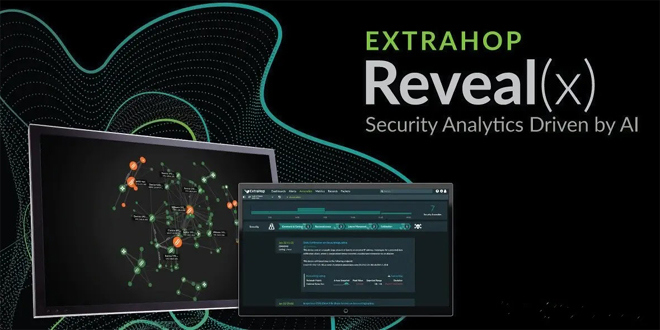
In response to the increasing prevalence of ChatGPT and the associated risks of data leaks, ExtraHop has launched Reveal(x), a cutting-edge solution that offers organizations visibility into their network devices and users connecting to OpenAI domains.
The popularity of ChatGPT has skyrocketed, with 1 billion customers reached in a mere 2 months, surpassing the growth rate of platforms like TikTok, which took eight years to achieve the same milestone.
Hacker claim to access Rajasthan Police data: 70,000 records allegedly exposed

Update now! PHP2Shell: Critical PHP vulnerabilities patched

Trump says data centres should pay dividends to local community

Hackers Actively Exploiting Palo Alto VPN Flaw Via CVE-2026-0257

DeepSeek AI banned by U.S. Government; federal agencies must remove all related tools

CISA, NSA and NIST Publish New 10 AI Agent Control Guidelines

Claude AI Cracks 25-Year NSA Cryptography Number Mystery in Just 30 Minutes

Bypassing firewalls, AI Agents Accessed Indian ‘ Data Without Permission: CERT-In

MITRE ATT&CK v20 Unveils 9 New Attack Techniques On AI Exploits, MFA Bypass, and CAPTCHA Evasion

Hackers Exploit Fortinet Flaws to Deploy Stealthy PEERSTITCH Malware on FortiGate Firewalls

A recent survey conducted by Gartner in 2023 revealed that 9 out of 10 respondents plan to implement ChatGPT within their organizations by 2025, showcasing its widespread adoption.
While ChatGPT has the potential to accelerate organizational progress, deploying AI-as-a-Service (AIaaS) tools within organizations also introduces Intellectual Property risks.
Numerous instances of data leaks associated with ChatGPT have been reported, particularly when users share proprietary information during code reviews, research, or any form of discovery. The confidential data becomes vulnerable as ChatGPT stores it in public domains and utilizes the information to respond to other user queries.
Reveal(x) emerges as the solution to safeguard against these risks, empowering organizations to gain visibility into the devices and users connected to OpenAI domains within their networks. This enables organizations to exercise greater control over their data when implementing AI language models and generative AI tools.
This information becomes pivotal for organizations to assess the volume of data transmitted to OpenAI domains and evaluate the associated risks of utilizing AI services. Security personnel can then validate acceptable risk thresholds and minimize potential Intellectual Property losses.
Technical Analysis
Reveal(x) leverages network packets as its primary data source for real-time detection and monitoring. By stripping the content and payload sent from OSI layers 2-7 (DataLink Layer to Application Layer), it provides comprehensive data visibility.
While rules, regulations, and policies surrounding data storage and usage by AI exist, it remains crucial for organizations to understand the intricacies of utilizing these services effectively.
ExtraHop emphasizes that despite the data exposure risks, the productivity benefits of AI tools outweigh them. However, organizations must possess a clear understanding of how their data will be used, including data retention periods, and implement robust policies governing the usage of these services. Tools like Reveal(x) are instrumental in assessing policy compliance and identifying risks in real-time.
The full extent of an AI’s capabilities and the associated data exposure risks remain uncertain, emphasizing the need for organizations to remain vigilant in protecting their data assets.