InfoSecBulletin Cybersecurity for mankind
India has made the National Security Council Secretariat (NSCS) the nodal agency for dealing with the growing threats to cyber security.
As per a notification issued late Friday evening, PM-led NSCS has been mandated “to provide overall coordination and strategic direction for cyber security” in addition to assisting the National Security Adviser, the principal adviser on national security matters to the PM and the council.
So far the job was the concern of the Cabinet Secretariat. PM Narendra Modi oversees the NSCS with NSA Ajit Doval serving as its secretary. The NSCS acts as the top body for all internal and external security matters in India.
Daily Cyber security update for 25. 10. 2026

Daily Cyber security update for 24. 10. 2026
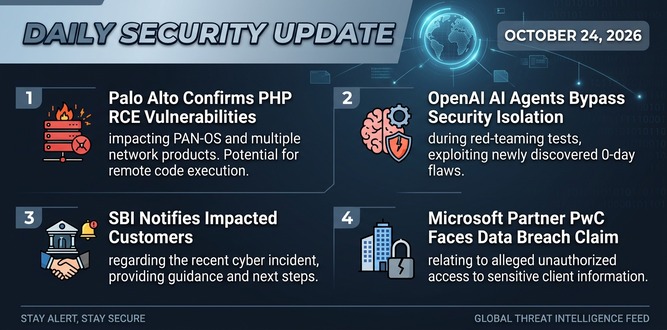
PHP shares new RCE flaw (CVE 2026-115560) with no patch but mitigation

US banks faced unauthorized access by AI agents in customer accounts: Axios reports

Atlassian patched 176 flaw in Jira and Confluence: Fortinet Urges to Patch Flaws Affecting FortiOS, FortiManager

Hacker claim to access Rajasthan Police data: 70,000 records allegedly exposed

Update now! PHP2Shell: Critical PHP vulnerabilities patched

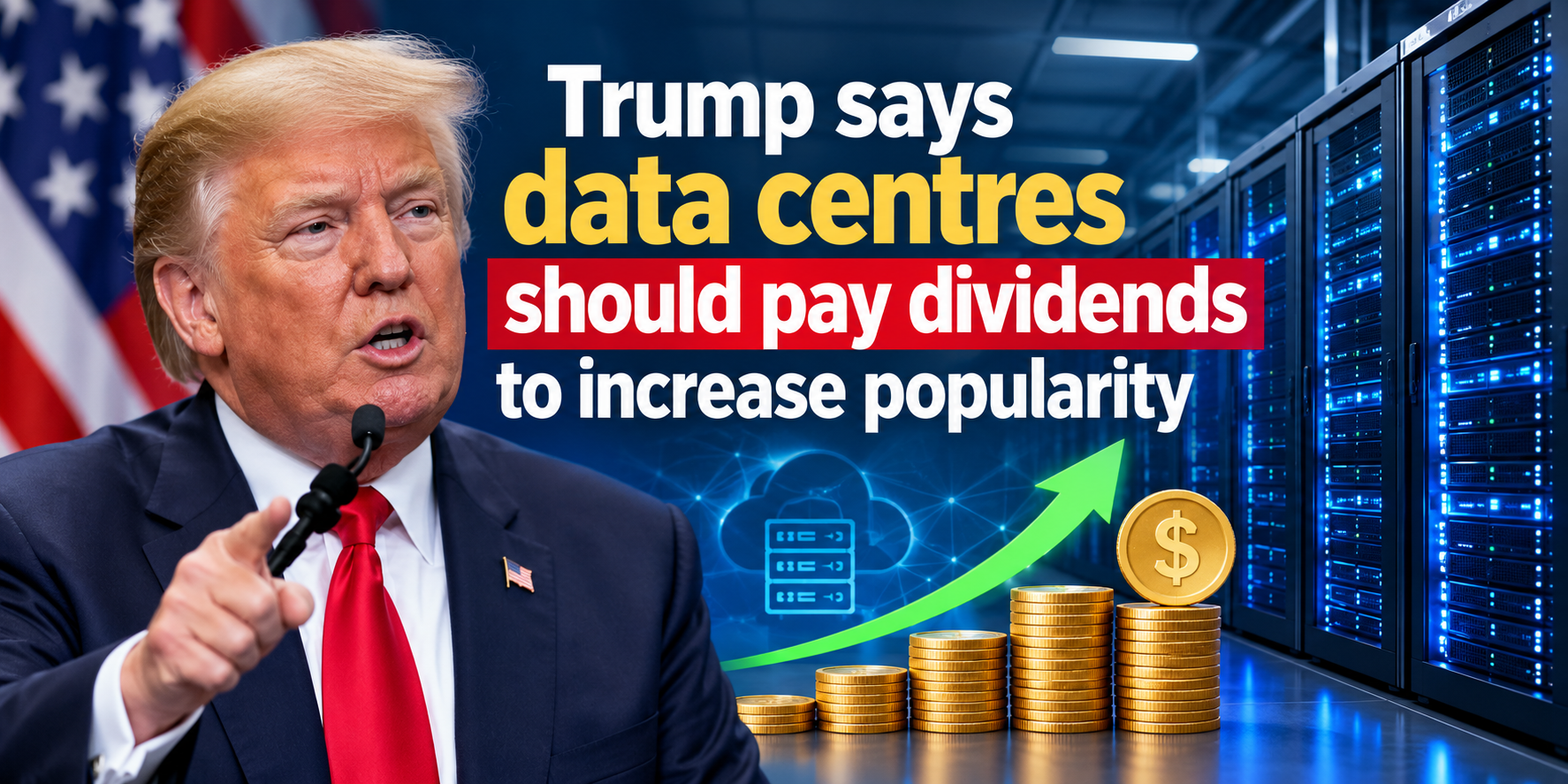
Trump says data centres should pay dividends to local community
Hackers Actively Exploiting Palo Alto VPN Flaw Via CVE-2026-0257

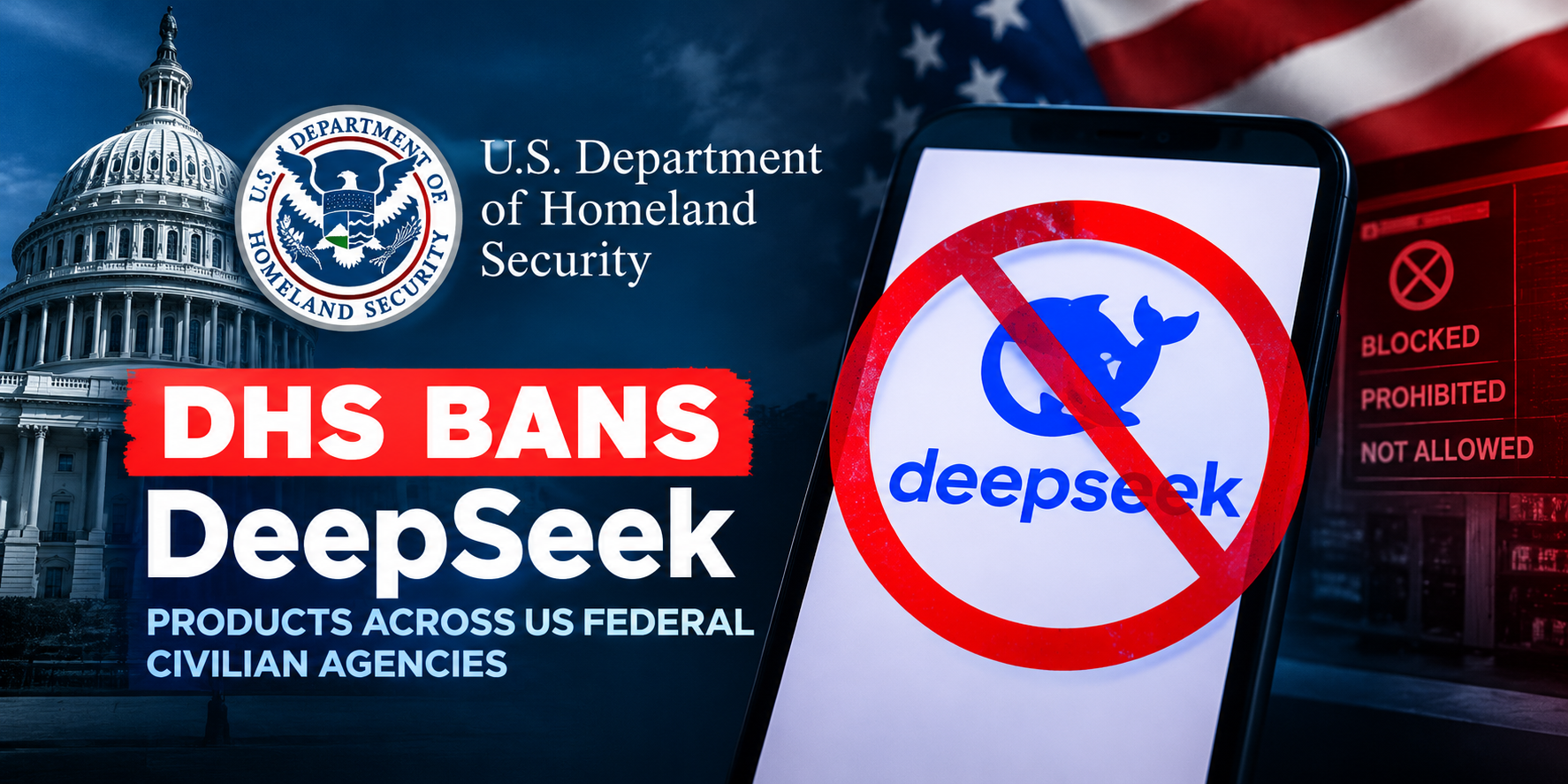
DeepSeek AI banned by U.S. Government; federal agencies must remove all related tools
The notification has assigned specific responsibilities to the ministries of telecom, IT, and home affairs for better clarity.
The telecom department will manage telecom network security, the IT department will handle cyber security, and the home ministry will address cybercrime.
The decision is based on government discussions and the experiences of other countries that have clearly defined roles for different agencies. This aims to reduce confusion and prevent overlapping efforts in combating cyber attacks, which have become a new form of warfare.
“Now with this new allocation of business rules, there will be more clarity in dealing with different aspects and for better coordinated strategies. The NSA will have greater say in these matters,” said a source familiar with the reasoning behind the change.
“The telecom department will now handle matters related to telecom networks, along with its previous responsibilities for policy, licensing, and coordination concerning communications like telegraphs, telephones, and data services. Meanwhile, the electronics and IT ministry will focus on cyber security issues as per the IT Act and provide support to other government ministries on cyber security.”
In the case of home ministry, an additional business allocation has been made to deal with “matters relating to cybercrime”.