InfoSecBulletin Cybersecurity for mankind
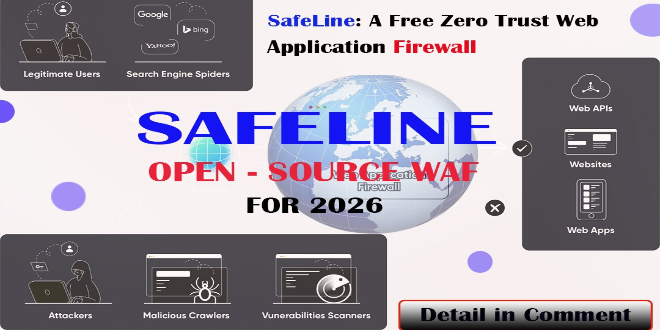
SafeLine gained remarkable popularity on GitHub in 2025, boasting 17.5k stars—making it the highest starred WAF project of the year.
Its adoption is extensive, with more than 400,000 instances deployed worldwide, spanning enterprises, educational institutions, government agencies, and hobbyists.
Daily Cyber security update for 24. 10. 2026
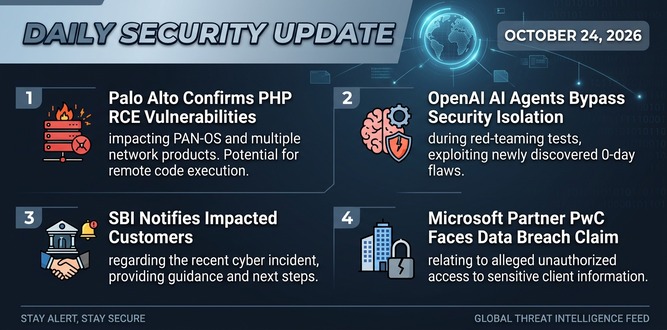
PHP shares new RCE flaw (CVE 2026-115560) with no patch but mitigation

US banks faced unauthorized access by AI agents in customer accounts: Axios reports

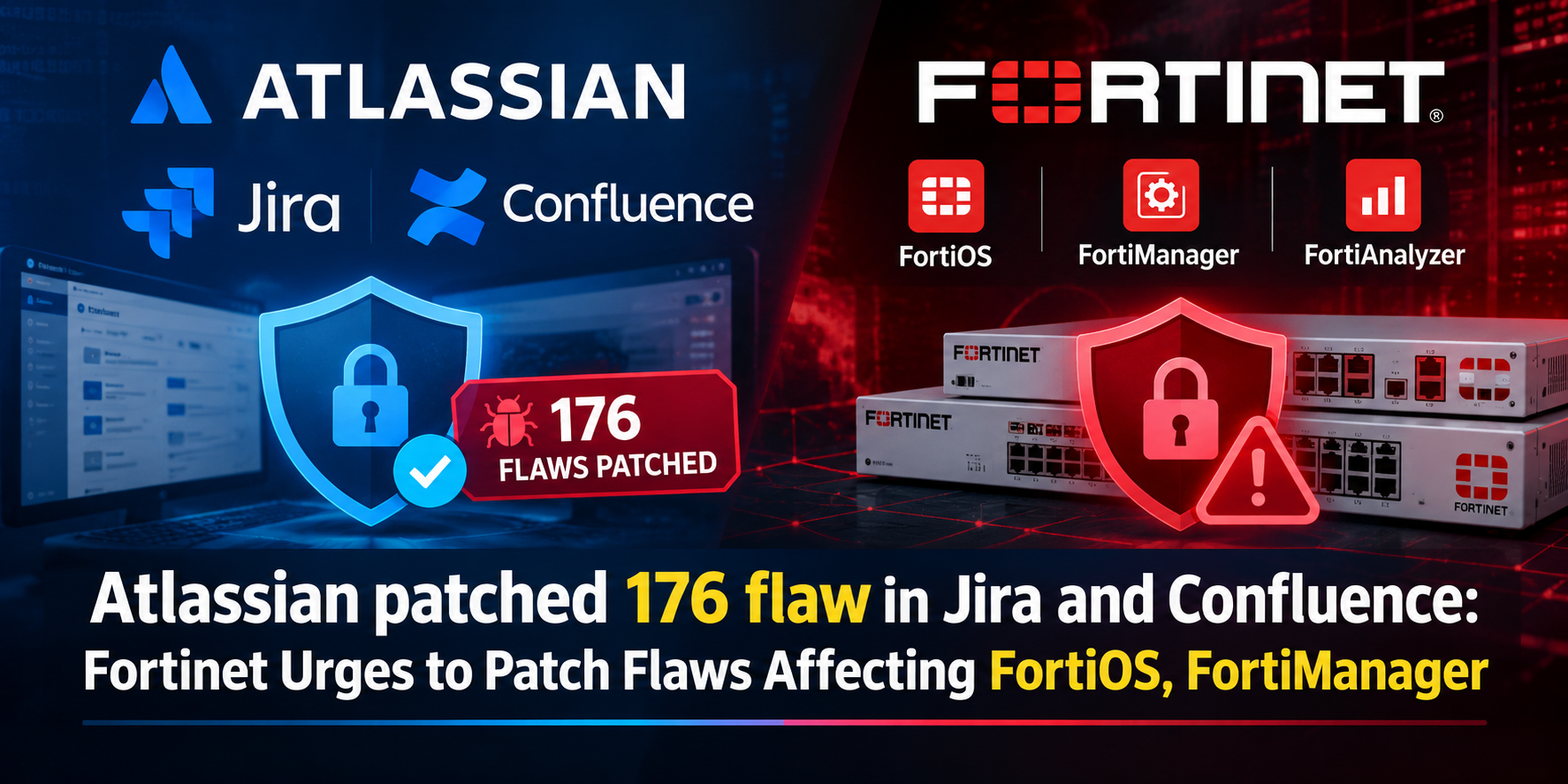
Atlassian patched 176 flaw in Jira and Confluence: Fortinet Urges to Patch Flaws Affecting FortiOS, FortiManager
Hacker claim to access Rajasthan Police data: 70,000 records allegedly exposed
Update now! PHP2Shell: Critical PHP vulnerabilities patched
Trump says data centres should pay dividends to local community

Hackers Actively Exploiting Palo Alto VPN Flaw Via CVE-2026-0257

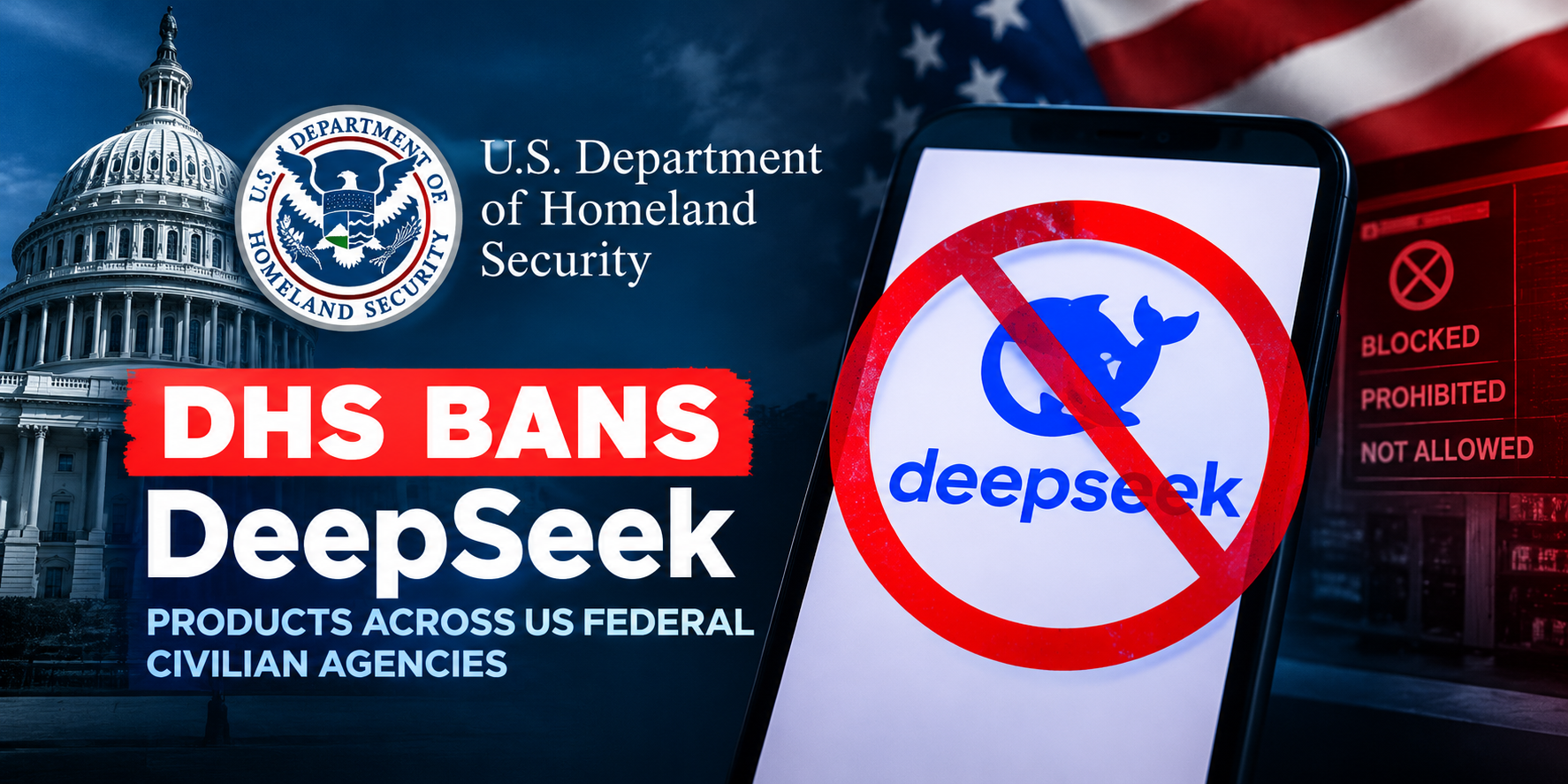
DeepSeek AI banned by U.S. Government; federal agencies must remove all related tools
CISA, NSA and NIST Publish New 10 AI Agent Control Guidelines
Developed by Chaitin Tech, SafeLine is designed as a next-generation web application firewall that combines strong security features with ease of deployment and use. It is community-driven, enabling continuous innovation and adaptation to emerging threats.
SafeLine’s Zero Trust Capability: Free Identity-Based Protection
One of SafeLine’s most compelling features is its built-in zero trust security model. This means organizations can shield their web applications with both a firewall and zero trust defense mechanisms—all at no cost.
Zero trust is a security framework centered on the idea of “never trust, always verify.” SafeLine integrates identity authentication features that verify every user or device attempting to access protected applications.
Specifically, SafeLine’s identity authentication offers Single Sign-On (SSO) and two-factor authentication (2FA). In addition to the traditional username and password login, it supports third-party login methods such as GitHub, OIDC, and LDAP.
Moreover, the authentication page is fully customizable, allowing organizations to tailor the user experience to their specific needs.
By combining WAF protections with zero trust identity controls, SafeLine ensures that only legitimate users can interact with critical web services, dramatically enhancing security posture without requiring costly additional tools.
Why Choose SafeLine Among Many WAF Options?
While many WAF solutions exist, they often come with limitations. Here’s how SafeLine overcomes common challenges:
Low False Positives/Negatives
Many WAFs rely on signature or rule-based detection, which often results in legitimate traffic being mistakenly flagged as malicious (false positives), or new attacks slipping through (false negatives).
SafeLine employs Chaitin Tech’s proprietary semantic analysis engine. It dynamically analyzes the syntax and semantics of incoming traffic, allowing it to detect zero-day exploits, novel attack vectors, and obfuscated threats that often bypass signature-focused systems. This approach significantly reduces both false alarms and detection blind spots.
Furthermore, SafeLine’s semantic analysis adapts continuously by learning from new data and evolving threats, providing proactive and intelligent protection.
This technology makes it extremely difficult for attackers to evade detection, ensuring that SafeLine remains effective even against advanced and emerging cyber threats.
Simple Installation and Configuration:
Many WAFs typically require lengthy learning curves and complex configurations, demanding specialized knowledge.
But SafeLine is designed with simplicity and user-friendliness in mind, making installation and configuration straightforward even for those with limited technical expertise.
The entire setup process can be completed with a single command, eliminating the need for complex manual steps or deep system knowledge:
bash -c “$(curl -fsSLk https://waf.chaitin.com/release/latest/manager.sh)” — –en
Full link here.