InfoSecBulletin Cybersecurity for mankind
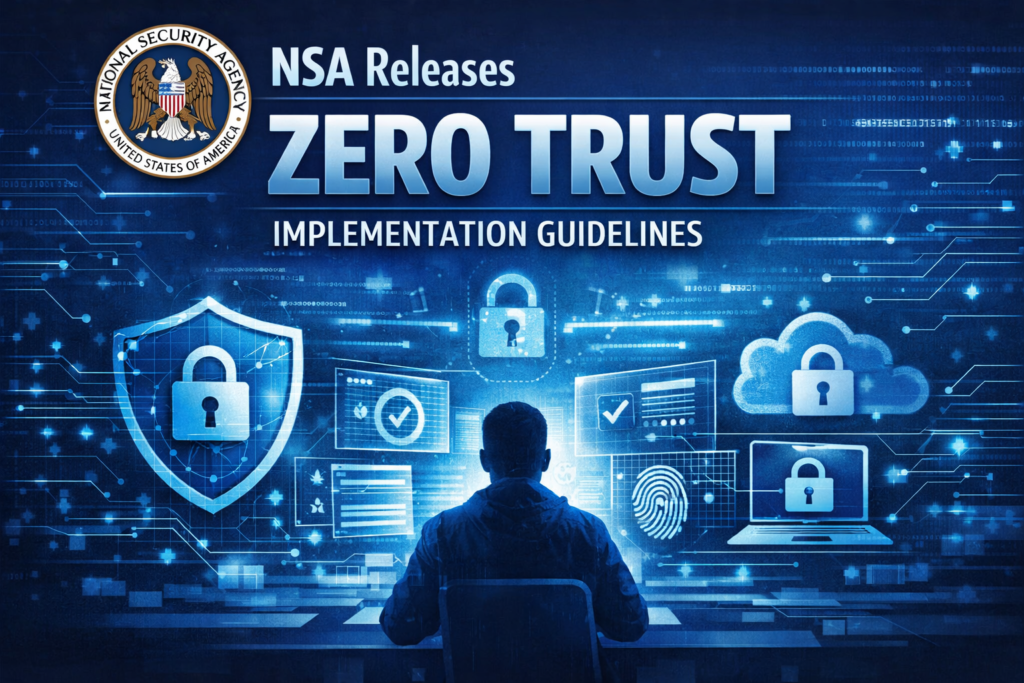
The NSA has released the first two publications in its Zero Trust Implementation Guidelines series, offering practical recommendations for organizations to implement Zero Trust security.
The initiative supports the use of technologies and processes in the Department of War CIO Zero Trust Framework.
Claude AI Cracks 25-Year NSA Cryptography Number Mystery in Just 30 Minutes
Bypassing firewalls, AI Agents Accessed Indian ‘ Data Without Permission: CERT-In
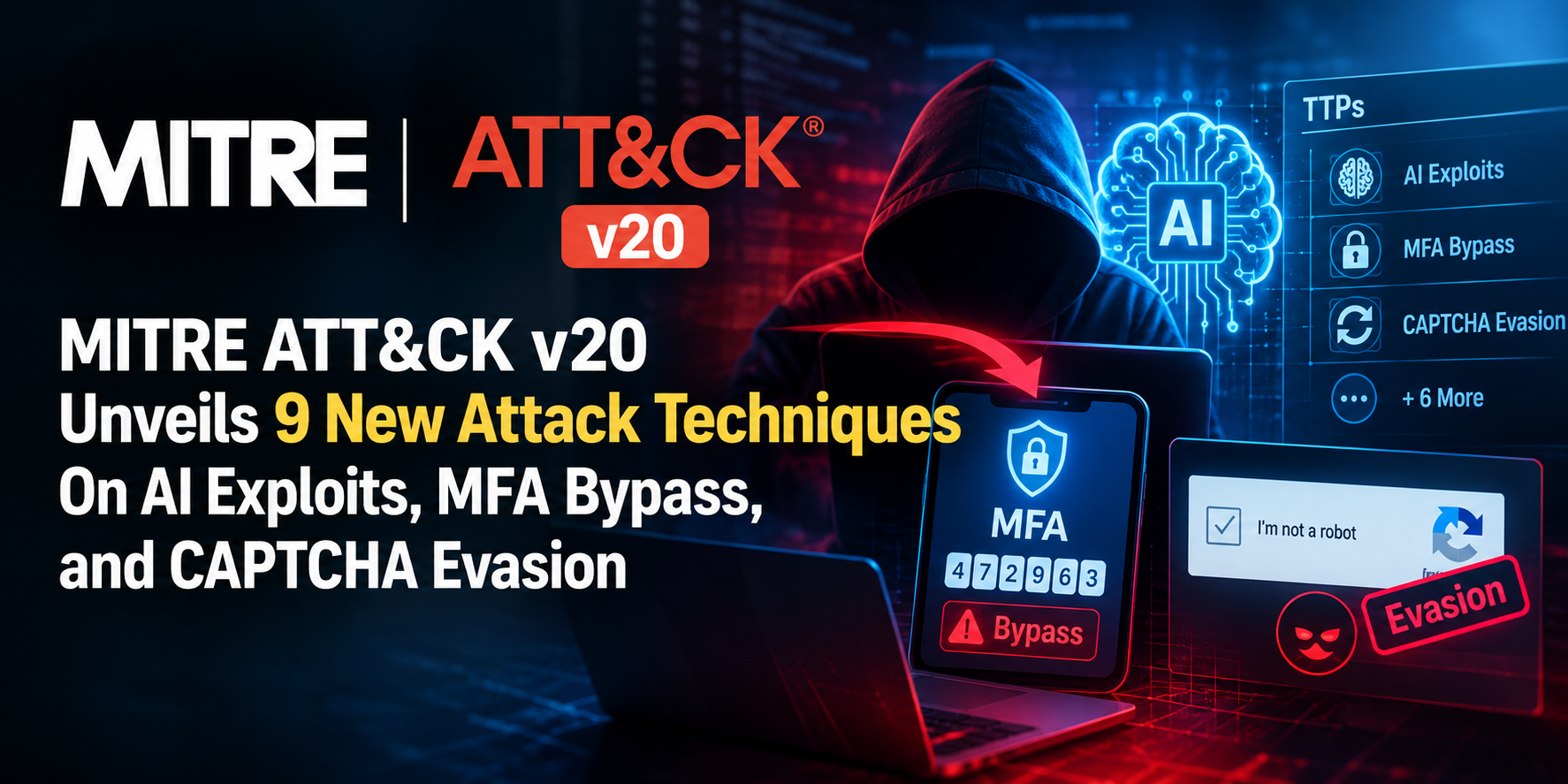
MITRE ATT&CK v20 Unveils 9 New Attack Techniques On AI Exploits, MFA Bypass, and CAPTCHA Evasion
Hackers Exploit Fortinet Flaws to Deploy Stealthy PEERSTITCH Malware on FortiGate Firewalls

Hacker stole Meta GitHub repos; Stole Source Code

Urgent patch! Zoom,NVIDIA and IBM Patch 41 Security flaws

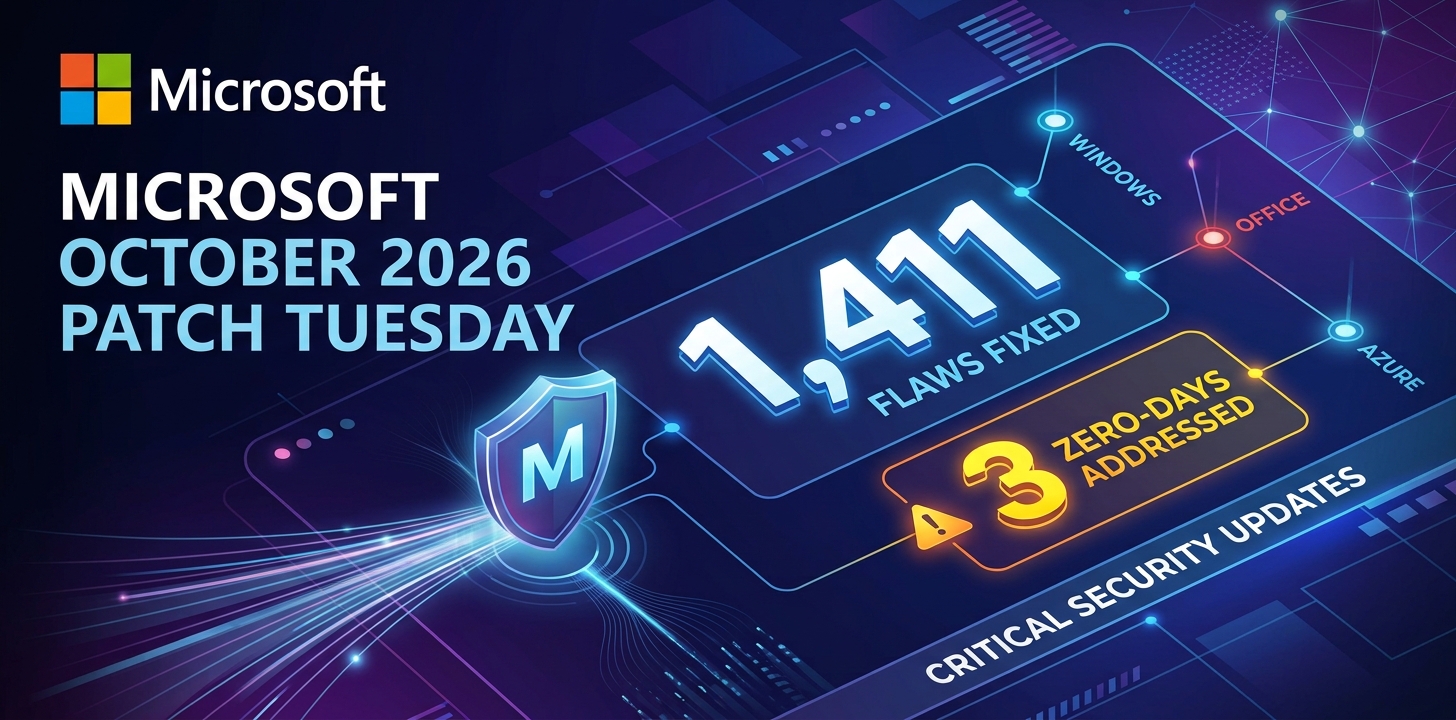
Microsoft patches record braking 1411 flaws; 2 zero days
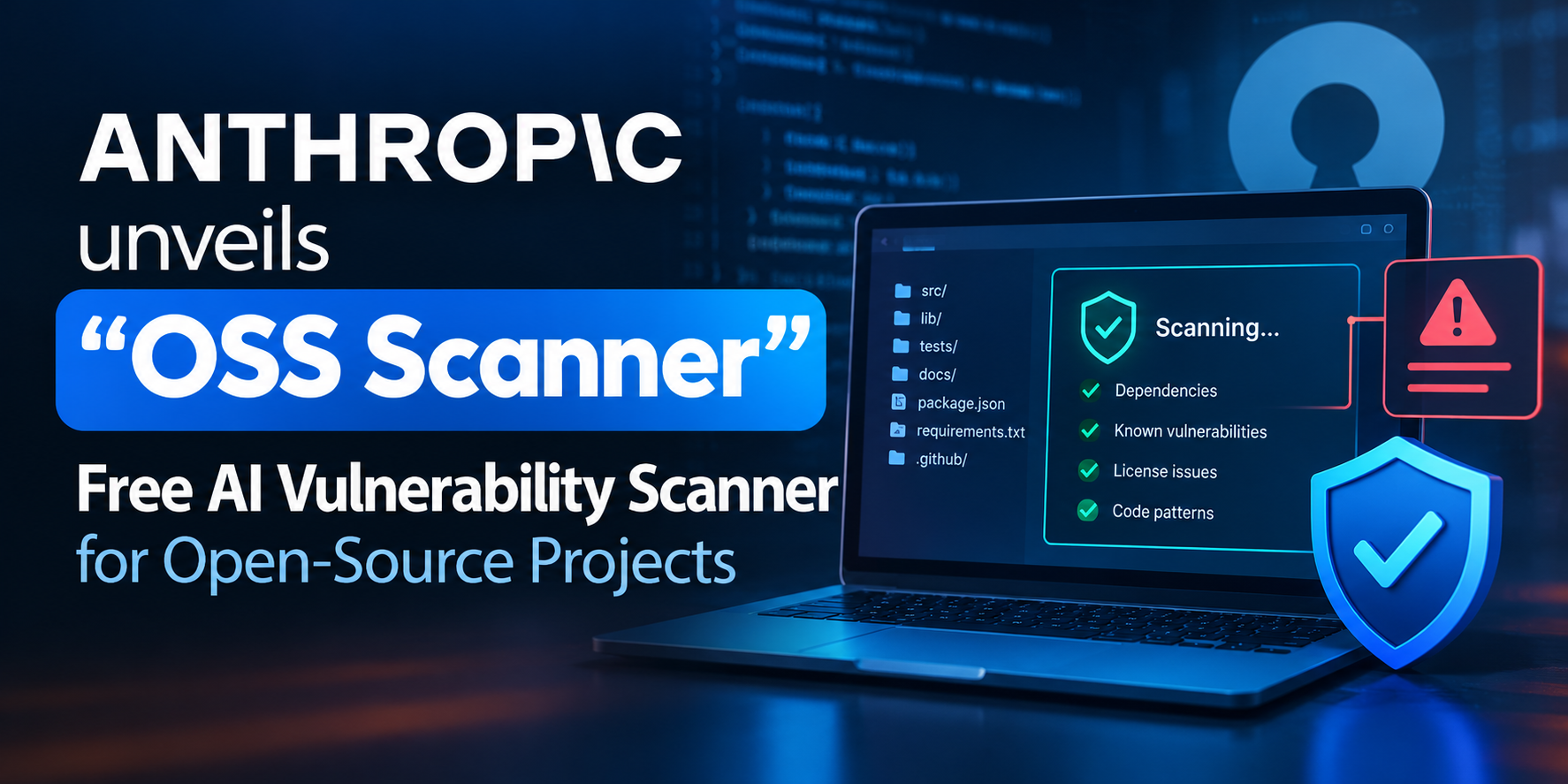
Anthropic unveils “OSS Scanner” Free AI Vulnerability Scanner for Open-Source Projects
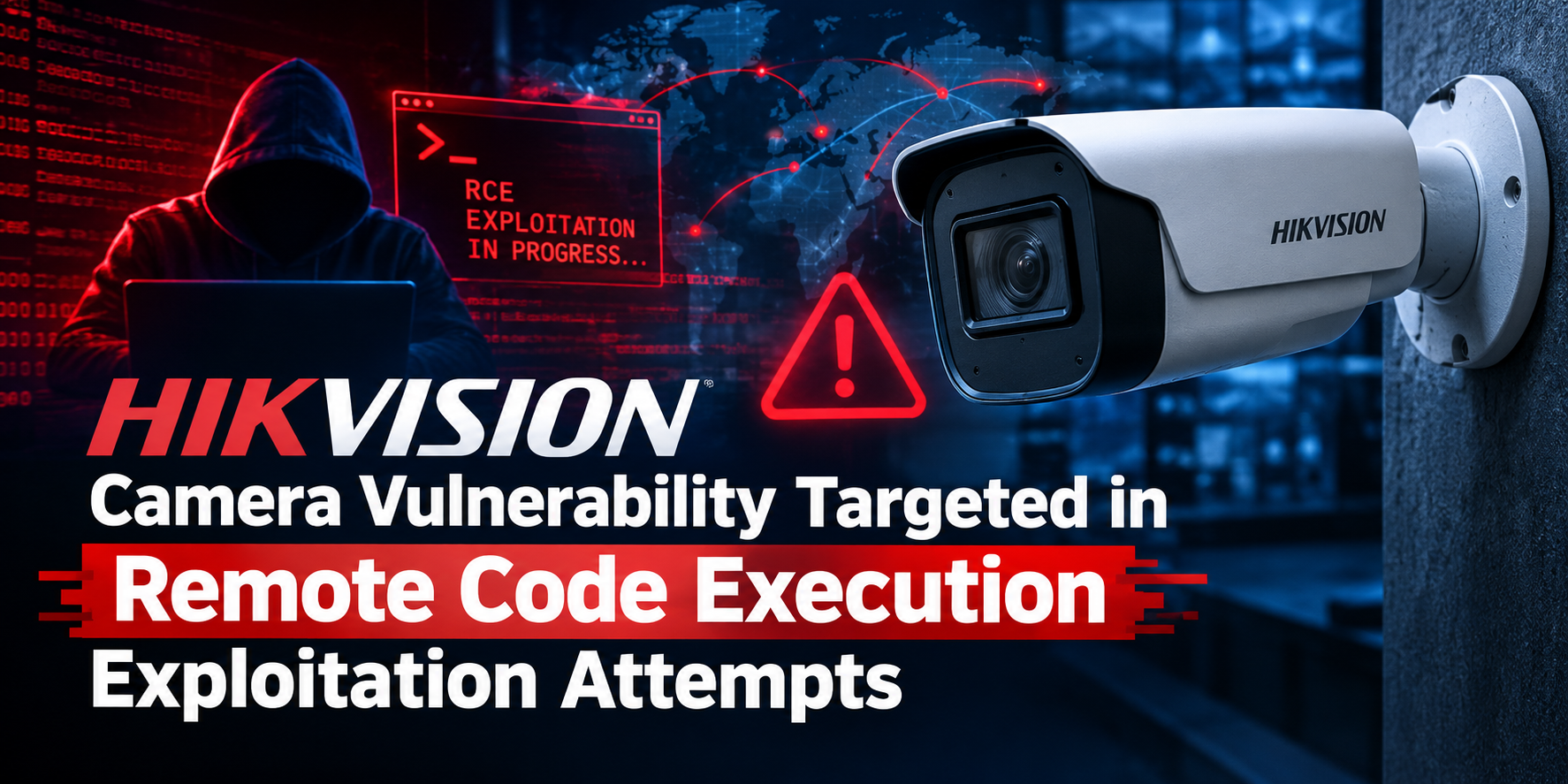
Rise on RCE Exploits Targeting Hikvision Camera Flaw
FortiBleed Attack Compromised 80,000+ Devices, SonicWall Patches 4 SMA1000 Flaws CVSS 10

Foundational Documents Released:
Released on January 8, 2026, this series starts with two key documents: the Primer and the Discovery Phase guidelines.
These publications lay the groundwork for understanding and preparing for Zero Trust implementation until detailed Phase 1 and Phase 2 guidance is released.
The Primer serves as the foundational strategic framework and guiding principles for the entire ZIG series. It outlines a thorough methodology for effectively leveraging the guidelines, highlighting a modular design that enables organizations, regardless of their maturity level, to choose capabilities that align with their unique environmental needs.
This flexibility allows organizations to tailor their Zero Trust approach to their current infrastructure and security status.
The Discovery Phase document helps organizations gain visibility into their infrastructure by identifying key data assets, applications, and services, and by analyzing access patterns and authorization activities.
This initial assessment establishes a trustworthy baseline for informed decision-making and strategic planning in Zero Trust deployment.
The discovery process tackles a prevalent obstacle that organizations encounter while implementing Zero Trust: identifying the assets that require protection and analyzing how users currently access them.
Organizations need foundational knowledge to prioritize Zero Trust capabilities and track implementation progress.
System owners, cybersecurity experts, and organizational stakeholders should read these basic guidelines to get ready for the upcoming detailed implementation advice from the NSA.
The documents are aimed at organizations aiming for the Zero Trust capabilities, activities, and outcomes outlined in the Department of War framework.
The modular design recognizes that organizations embark on their Zero Trust journeys from various starting points, enabling customized strategies instead of a universal implementation approach.
This hands-on method enhances the chances of effective adoption in various organizational contexts and different levels of security maturity.