InfoSecBulletin Cybersecurity for mankind
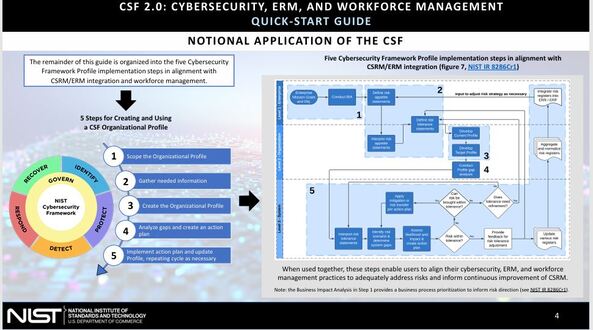
The National Institute of Standards and Technology (NIST) has unveiled NIST SP 1308, the “Quick-Start Guide for Cybersecurity, Enterprise Risk Management, and Workforce Management”. Published in March 2026, this report gives a clear way to include cybersecurity risk management (CSRM) in larger enterprise risk management (ERM) plans.
The guide highlights the need for planning workers to quickly adapt human resources to fight against fast-changing cyber threats.
CISA, NSA and NIST Publish New 10 AI Agent Control Guidelines
Claude AI Cracks 25-Year NSA Cryptography Number Mystery in Just 30 Minutes
Bypassing firewalls, AI Agents Accessed Indian ‘ Data Without Permission: CERT-In
MITRE ATT&CK v20 Unveils 9 New Attack Techniques On AI Exploits, MFA Bypass, and CAPTCHA Evasion
Hackers Exploit Fortinet Flaws to Deploy Stealthy PEERSTITCH Malware on FortiGate Firewalls

Hacker stole Meta GitHub repos; Stole Source Code
Urgent patch! Zoom,NVIDIA and IBM Patch 41 Security flaws
Microsoft patches record braking 1411 flaws; 2 zero days
Anthropic unveils “OSS Scanner” Free AI Vulnerability Scanner for Open-Source Projects
Rise on RCE Exploits Targeting Hikvision Camera Flaw
Unifying Core Security Frameworks:
The quick-start guide combines three key NIST resources to create a complete risk management process focused on the workforce. Organizations use the Cybersecurity Framework (CSF) 2.0 to set security goals and the NICE Framework to find the skills needed for their staff.
By connecting these tools with NIST IR 8286 governance templates, leaders can eliminate barriers and make smart choices about hiring, training, and sharing resources. To put this integration into action, NIST explains a step-by-step plan that focuses on creating a complete CSF Organizational Profile.
Stakeholders start this phase by doing a business impact analysis. This helps them find important assets and connect serious security risks to the company’s goals. Cross-functional teams then gather essential intelligence, including risk appetite statements, regulatory requirements, and comprehensive inventories of existing workforce skill sets.
Organizations create current and goal profiles to show how their current security compares to their long-term aims. This mapping helps analyze gaps. Risk owners look at certain weaknesses and check if internal teams have the skills to fix them.
Stakeholders then carry out a plan that focuses on actions to reduce these risks using specific human resource steps and better security measures.
Addressing Workforce Vulnerabilities:
When a company cannot meet its security goals, it must take strong actions to fix the skill gaps it has. Security teams might react by hiring new people, adding staff through outside contracts, or starting in-house training programs. If it’s not possible to expand the workforce, leaders must change the main strategy by finding new ways to handle risk: avoid it, transfer it, or accept it completely.
The NIST guide says we must keep managing, checking, and changing our strategies because today’s threats change quickly. Cross-functional teams with finance and security staff need to keep checking risk responses to make sure that technical controls stay the same throughout the organization.
If a workforce plan does not work well, organizations need to quickly change course by looking at other staff assignments or changing how they handle risks.