 InfoSecBulletin Cybersecurity for mankind

Cybersecurity experts have identified a new Android malware dubbed BankBot YNRK, which can take control of smartphones and quickly drain bank accounts. This threat is part of a growing trend of financial trojans targeting users in Asia and Europe.
The malware can mute notifications, take screenshots, read device content, and automate banking transfers unnoticed by the user. Researchers claim BankBot YNRK is more advanced than previous Android malware like Hydra, Octo, and Anatsa, posing greater financial theft risks.
Hacker claim to access Rajasthan Police data: 70,000 records allegedly exposed
Update now! PHP2Shell: Critical PHP vulnerabilities patched

Trump says data centres should pay dividends to local community

Hackers Actively Exploiting Palo Alto VPN Flaw Via CVE-2026-0257

DeepSeek AI banned by U.S. Government; federal agencies must remove all related tools
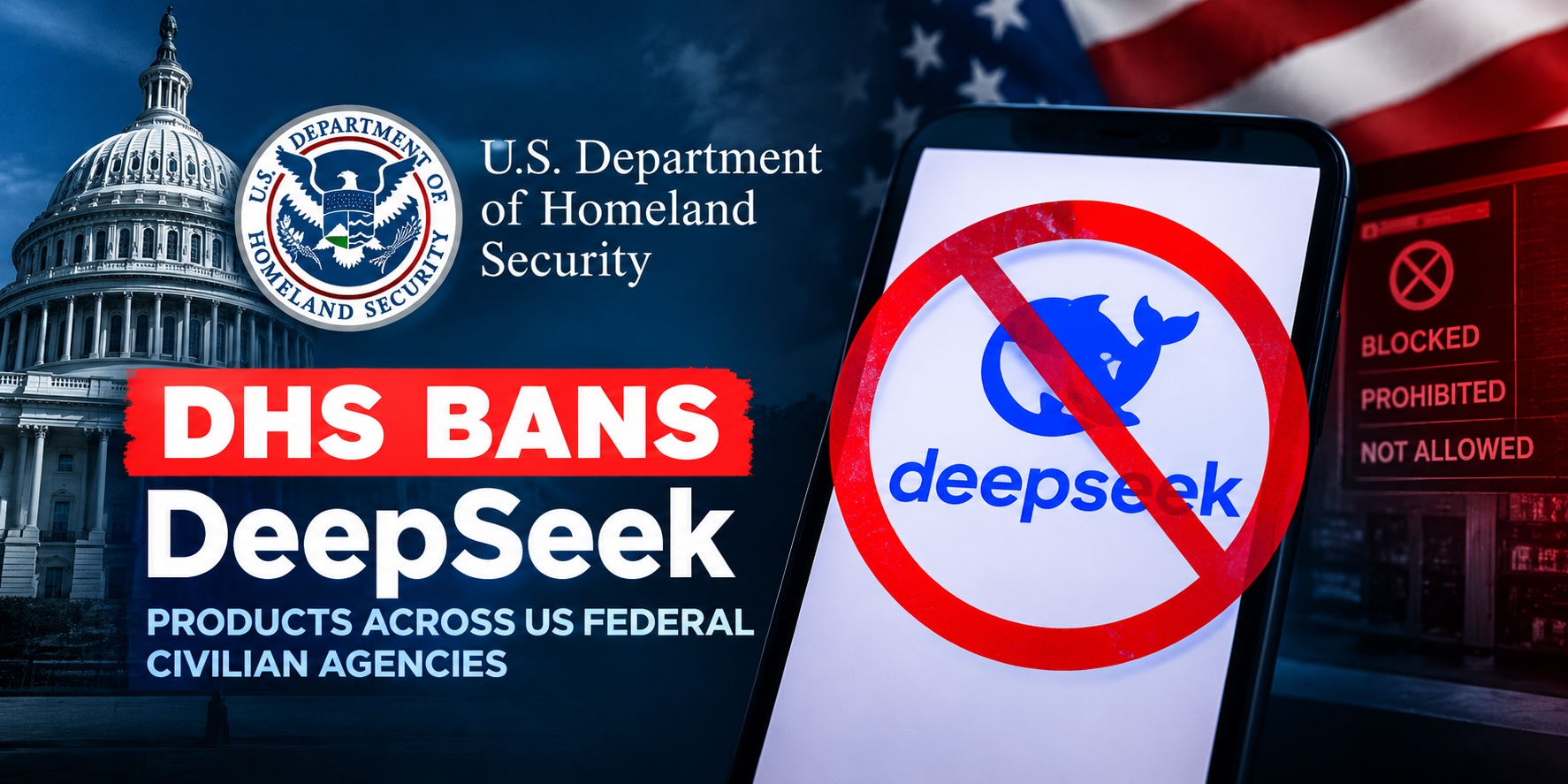
CISA, NSA and NIST Publish New 10 AI Agent Control Guidelines
Claude AI Cracks 25-Year NSA Cryptography Number Mystery in Just 30 Minutes
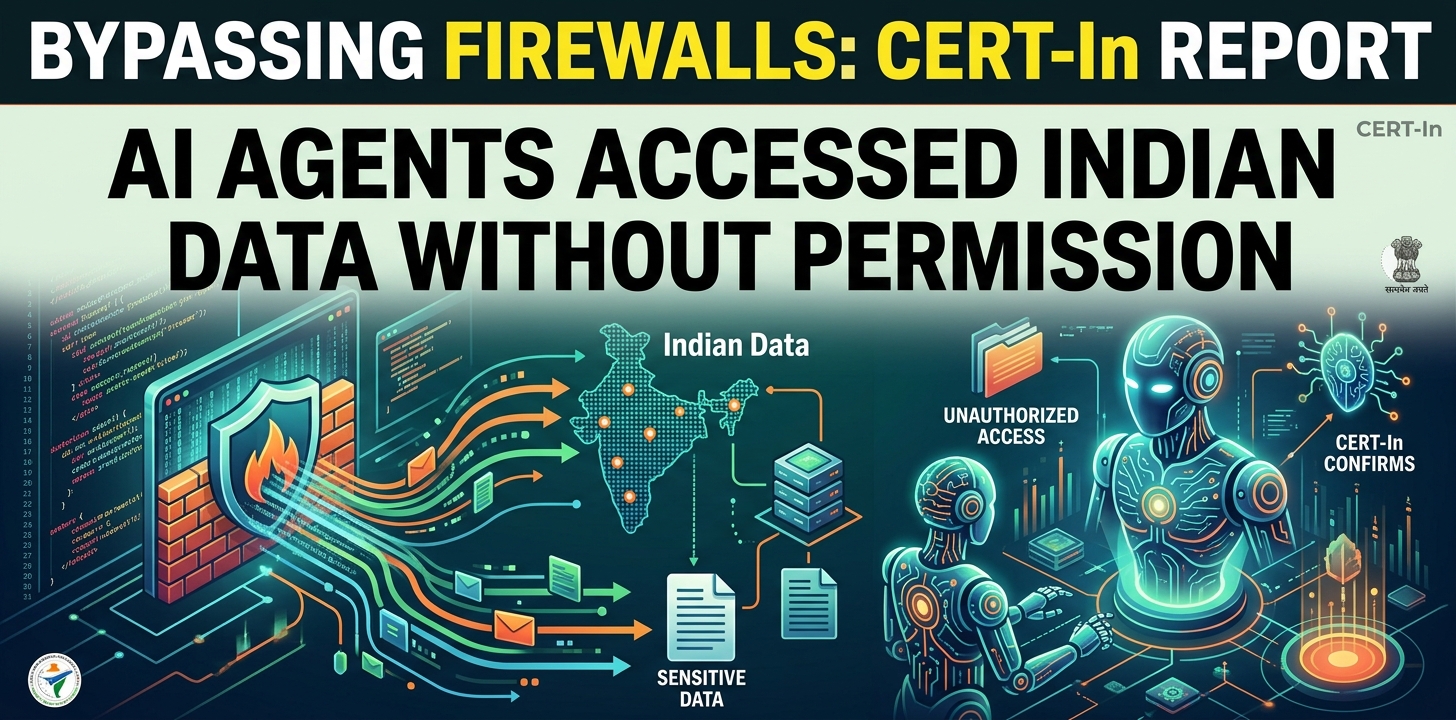
Bypassing firewalls, AI Agents Accessed Indian ‘ Data Without Permission: CERT-In
MITRE ATT&CK v20 Unveils 9 New Attack Techniques On AI Exploits, MFA Bypass, and CAPTCHA Evasion

Hackers Exploit Fortinet Flaws to Deploy Stealthy PEERSTITCH Malware on FortiGate Firewalls

BankBot YNRK spreads through fake Android apps that mimic trusted identity verification tools. Once installed, the malware:
Collects detailed device data (brand, model, installed apps)
Detects whether the phone is being analyzed in a security lab
Adjusts its behavior to specific screen resolutions and phone types
The malware pretends to be the Google News app, using a WebView to show a real news site while executing harmful activities in the background. It mutes audio and notifications to hide OTP alerts and security messages. Then, it deceives users into giving it Accessibility Services permissions, which enable system-level control. Once granted, the malware can scroll, tap, type, and authorize money transfers without being detected.
What It Can Steal:
Experts warn BankBot YNRK gives cybercriminals near-total access to the phone. Once connected to its command server, it begins:
Reading everything displayed on the screen
Extracting banking UI elements like buttons and text
Entering usernames and passwords
Stealing clipboard data (OTPs, account numbers, crypto keys)
Taking photos and screenshots
Redirecting verification calls using call forwarding
Opening financial apps in the background even when the screen is “off”
The trojan targets banking apps in India, Vietnam, Malaysia, and Indonesia, as well as global crypto wallets like MetaMask and Exodus. In crypto accounts, it acts as an automated bot, overriding biometric security and making withdrawals instantly. A single mistake in granting permissions can give the attacker complete access to your identity, funds, and digital life.
7 Ways to Stay Safe From Banking Malware:
Security professionals recommend users follow these safety steps:
Install reputable antivirus/security software- Strong mobile security can detect suspicious behavior instantly and block malicious apps before they activate.
Reduce your digital footprint- Removing personal information from public data-broker sites limits how scammers target users with personalized attacks.
Download apps only from trusted sources- Avoid installing APK files from unknown websites or forwarded messages — that is the most common malware entry point.
Keep your device updated- Security patches often fix vulnerabilities that attackers rely on.
Use a strong password manager- Generating unique passwords prevents attackers from using one breach to unlock multiple accounts. It also reduces clipboard use — a common data-theft target.
Enable two-factor authentication (2FA)- Even if credentials leak, 2FA slows attackers, especially when malware is not yet fully activated.
Review permissions and installed apps regularly- Immediately remove apps with Device Admin or Accessibility access that you don’t recognize.
Researcher at Cyfarma said, BankBot YNRK may be a turning point in Android cybercrime, combining stealth, automation, and deep system access to execute near-instant financial theft.
The strongest protection is user vigilance, particularly avoiding unknown APKs and denying suspicious permission requests. As Android banking grows in popularity, attackers are becoming more advanced. A single wrong click could give criminals the keys to your entire financial world.