InfoSecBulletin Cybersecurity for mankind
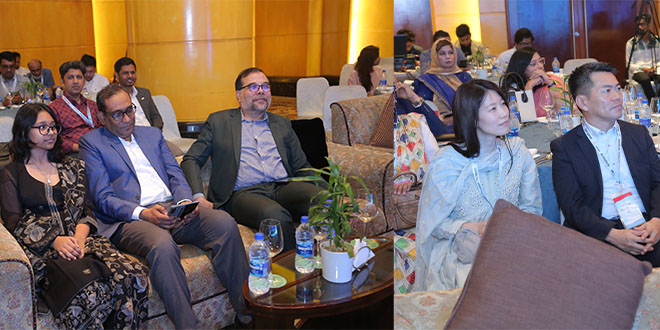
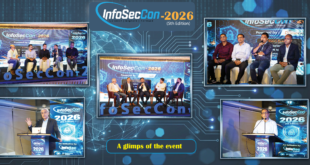
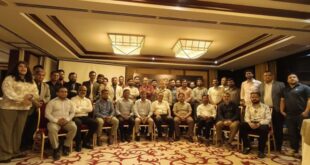
“InfoSecCon-2025” was successfully held with tremendous audiences with various time demanding topics and keynotes at Dhaka on 16 May- 2025. The conference was fueled with 3 keynotes, 2 panel discussions and Q&A sessions makes the conference more dynamics.
On the keynote on “Blockchain Technology: Enhancing Security in the Financial Sector” said, Blockchain technology is a revolutionary innovation that improves security in the financial sector. It functions as a decentralized, distributed, and immutable ledger that records transactions across many computers.
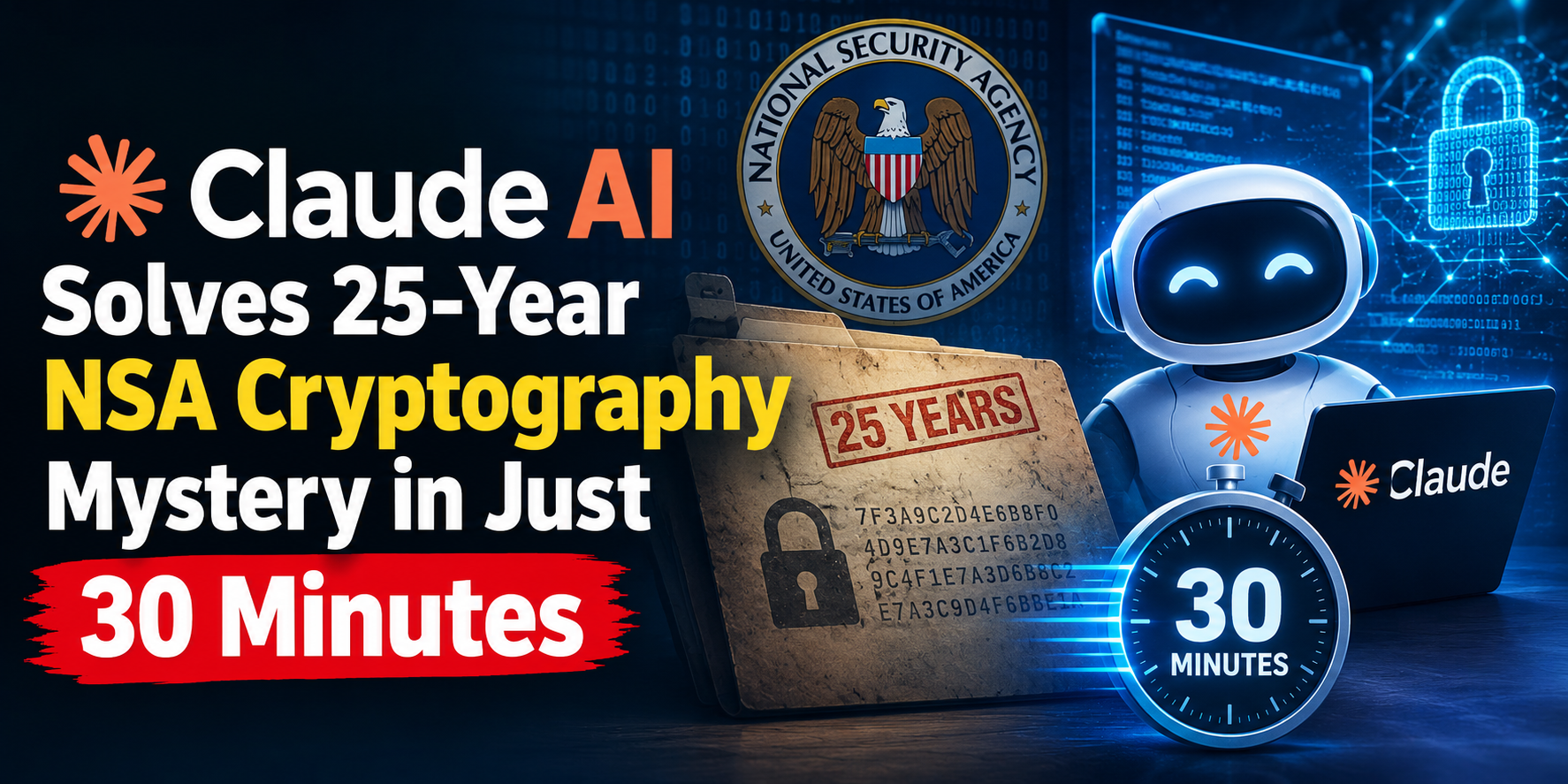
Claude AI Cracks 25-Year NSA Cryptography Number Mystery in Just 30 Minutes
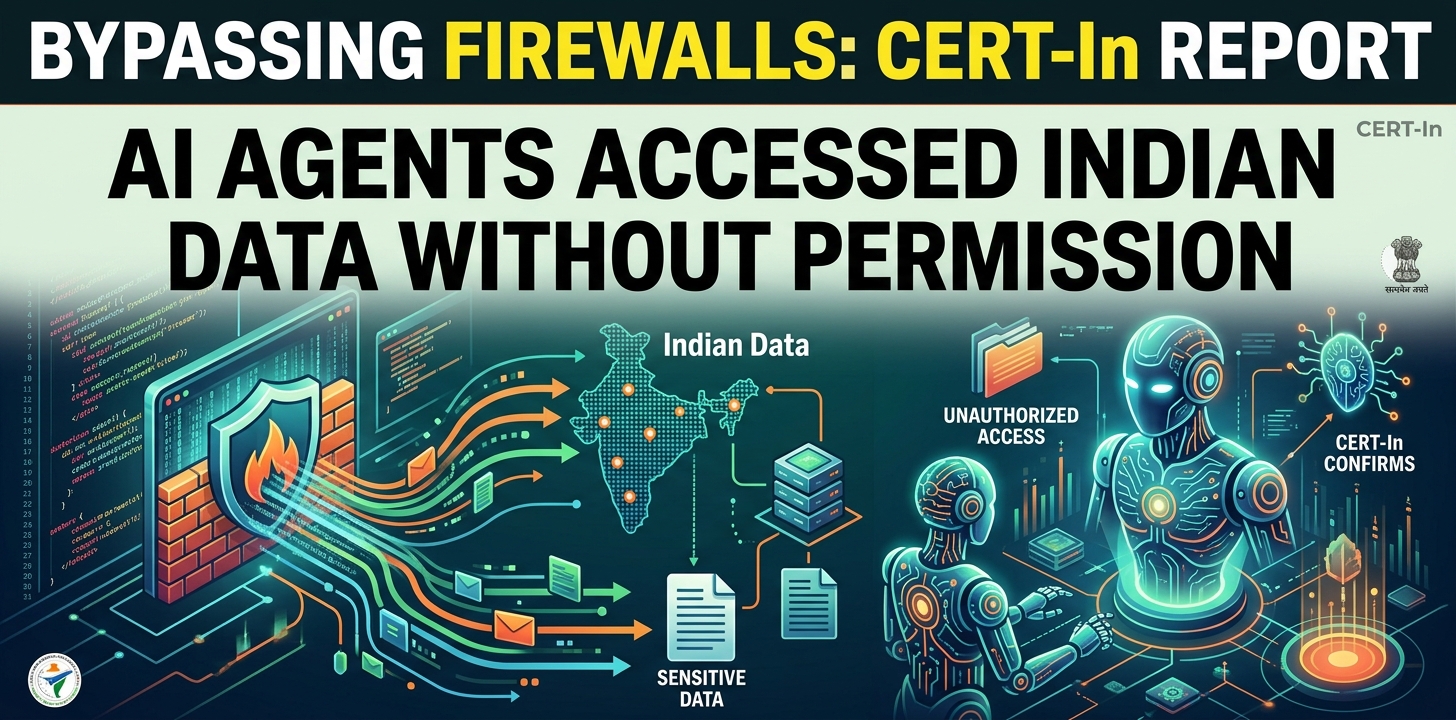
Bypassing firewalls, AI Agents Accessed Indian ‘ Data Without Permission: CERT-In
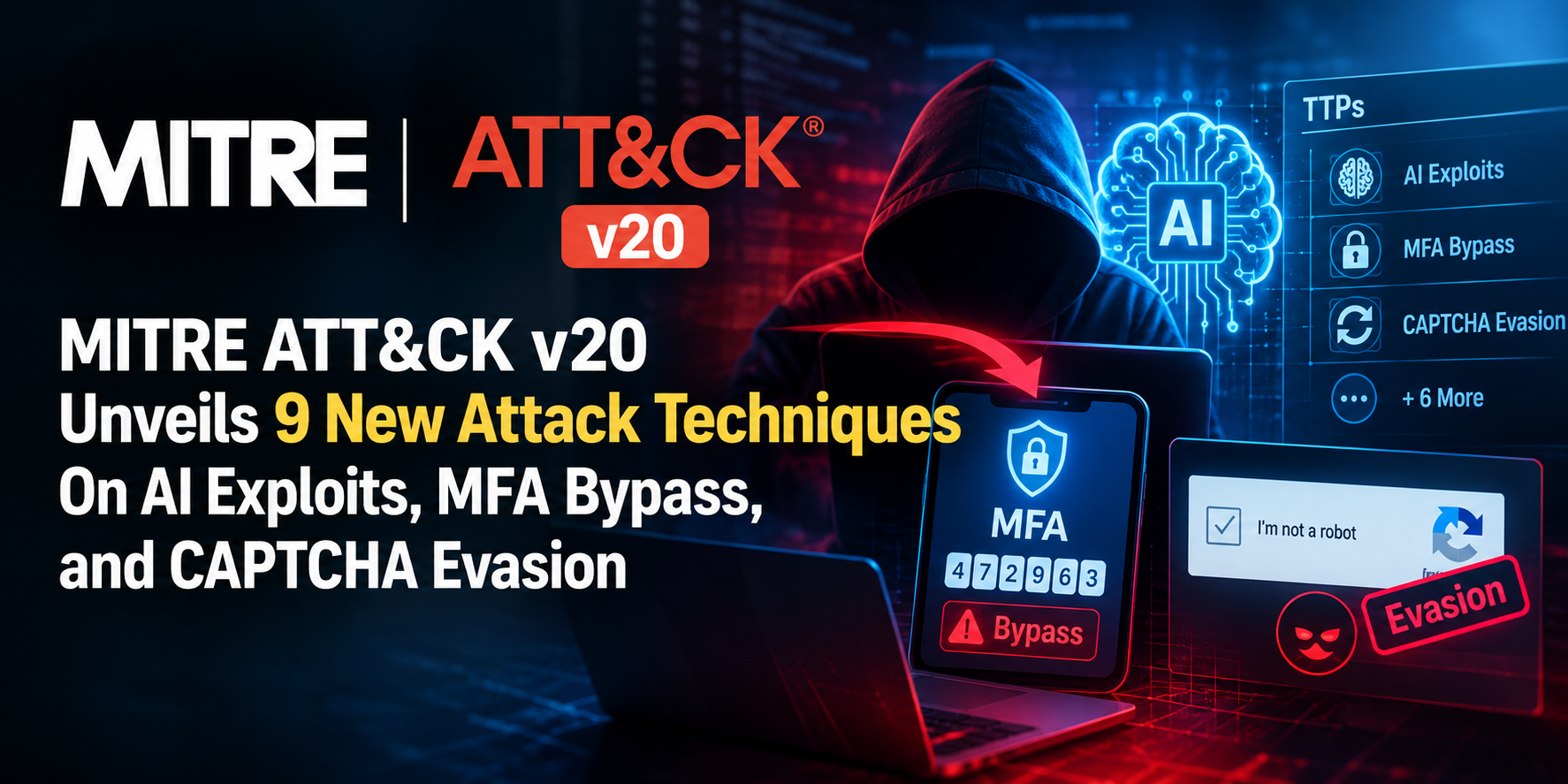
MITRE ATT&CK v20 Unveils 9 New Attack Techniques On AI Exploits, MFA Bypass, and CAPTCHA Evasion
Hackers Exploit Fortinet Flaws to Deploy Stealthy PEERSTITCH Malware on FortiGate Firewalls

Hacker stole Meta GitHub repos; Stole Source Code
Urgent patch! Zoom,NVIDIA and IBM Patch 41 Security flaws

Microsoft patches record braking 1411 flaws; 2 zero days
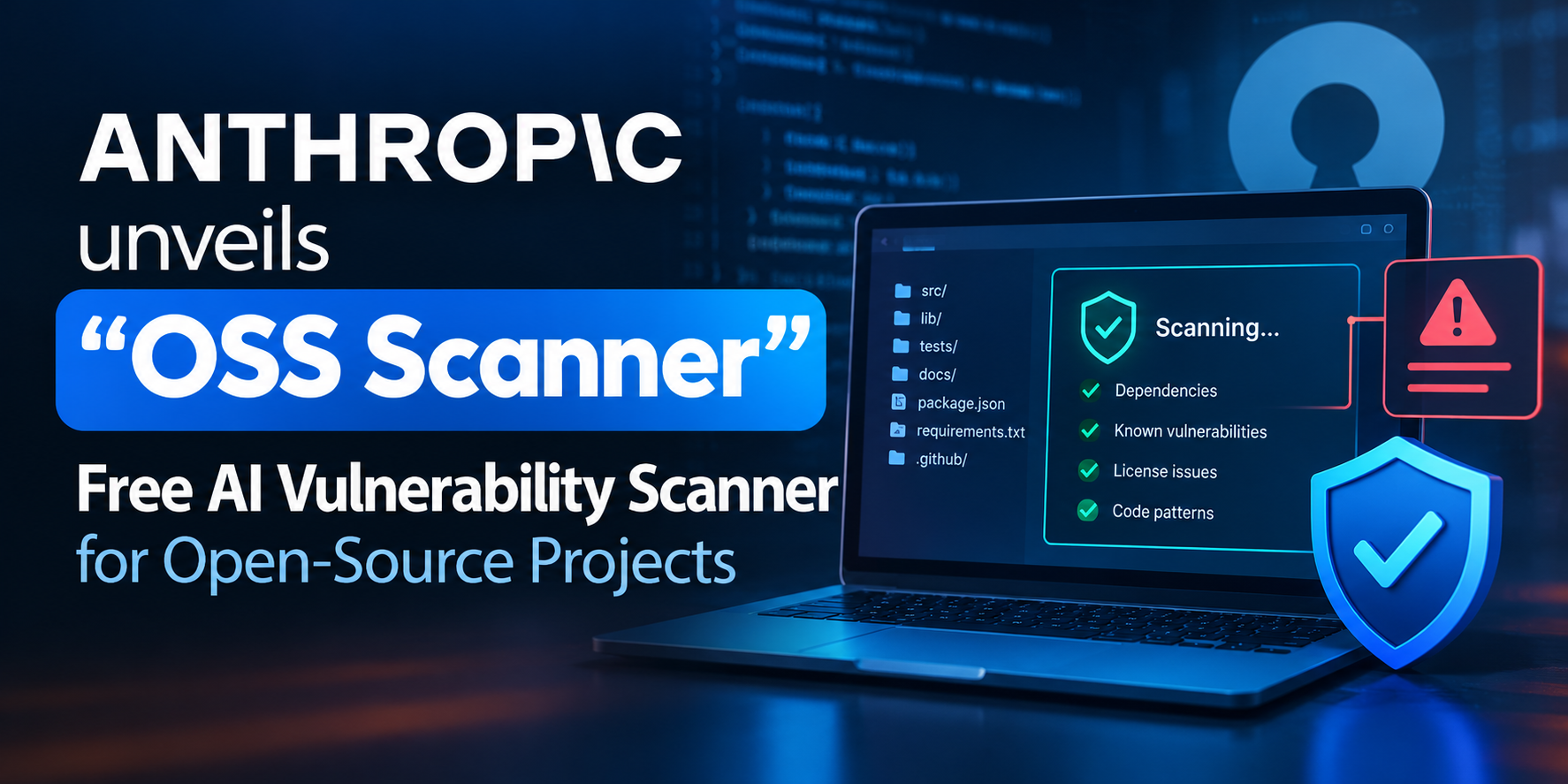
Anthropic unveils “OSS Scanner” Free AI Vulnerability Scanner for Open-Source Projects
Rise on RCE Exploits Targeting Hikvision Camera Flaw

FortiBleed Attack Compromised 80,000+ Devices, SonicWall Patches 4 SMA1000 Flaws CVSS 10

Key advantages include decentralization, which removes single points of failure and makes it harder for attackers to compromise the network. Cryptographic hashing maintains the integrity of transaction blocks; altering one block changes its hash and all subsequent hashes.
On the keynotes BJIT’s head of technology operation demonstrated Amir Hossain presented case studies showcasing how Bangladeshi companies and startups are successfully adopting cloud-native architectures. He highlighted three key sectors:
Fintech firms: using cloud to deliver scalable mobile payment solutions.
E-commerce platforms: ensuring uptime and scalability during peak sales periods.
Telecoms and banks : improving customer management through cloud-native systems.
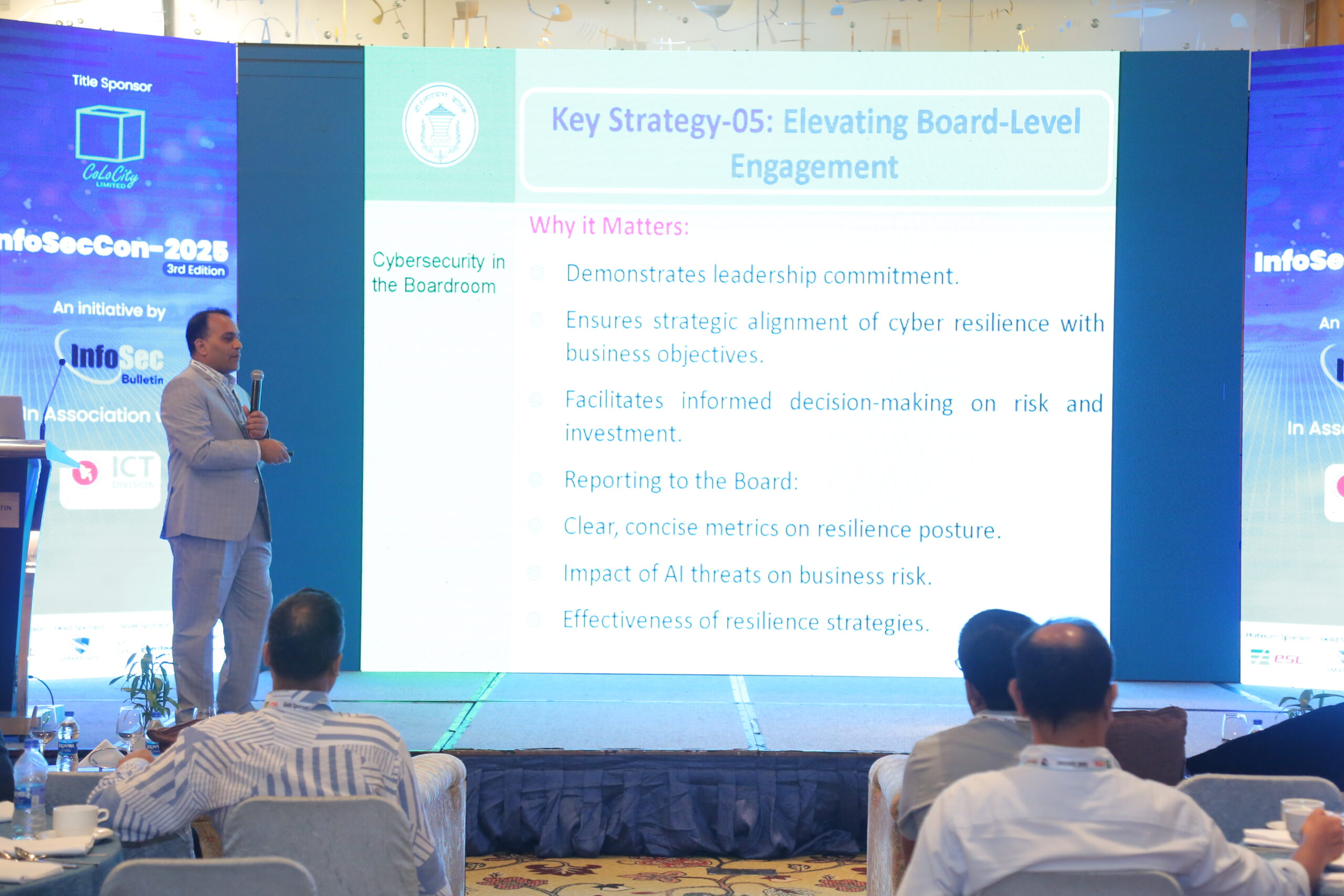
S. M. Tofayel Ahmad, Additional Director (ICT), Bangladesh Bank highlighted on ‘Rethinking Resilience for the Age of AI-Driven Cyberattacks” not only in banking sector but enterprise, mid and small size organizations.
At InfoSecCon-2025 (3rd Edition), He presented how cyber attacks like interruption, interception, modification, and fabrication impact availability, confidentiality, integrity, and authenticity in network communication. He also addressed the rising risks of AI-powered attacks, the need for AI-based defenses, and the growing cybersecurity skills gap.
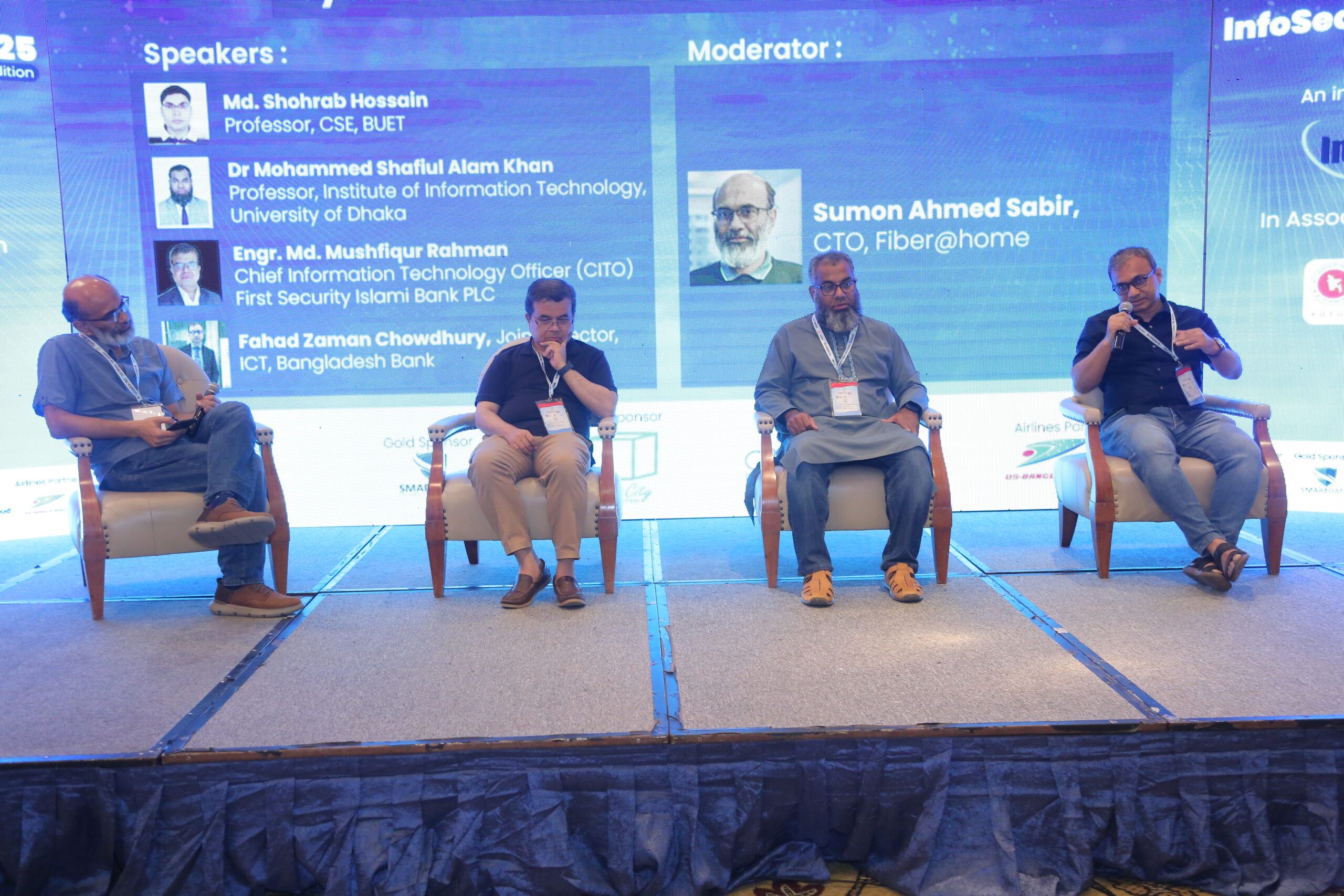
There was a panel discussion on ‘Rethinking Resilience for the Age of AI-Driven Cyberattacks”. The panelists said, AI is changing the digital landscape but also creating more advanced cyber threats. These AI-driven attacks are quicker and can bypass traditional security systems, requiring a shift from mere prevention to rapid detection, response, and recovery.
To enhance resilience, organizations need to integrate AI into their cybersecurity strategies. This includes adopting intelligent threat detection tools, automating incident responses, and using predictive analytics to spot vulnerabilities. A robust digital infrastructure also depends on continuous employee training, real-time threat intelligence sharing, and adaptable cloud-native systems.
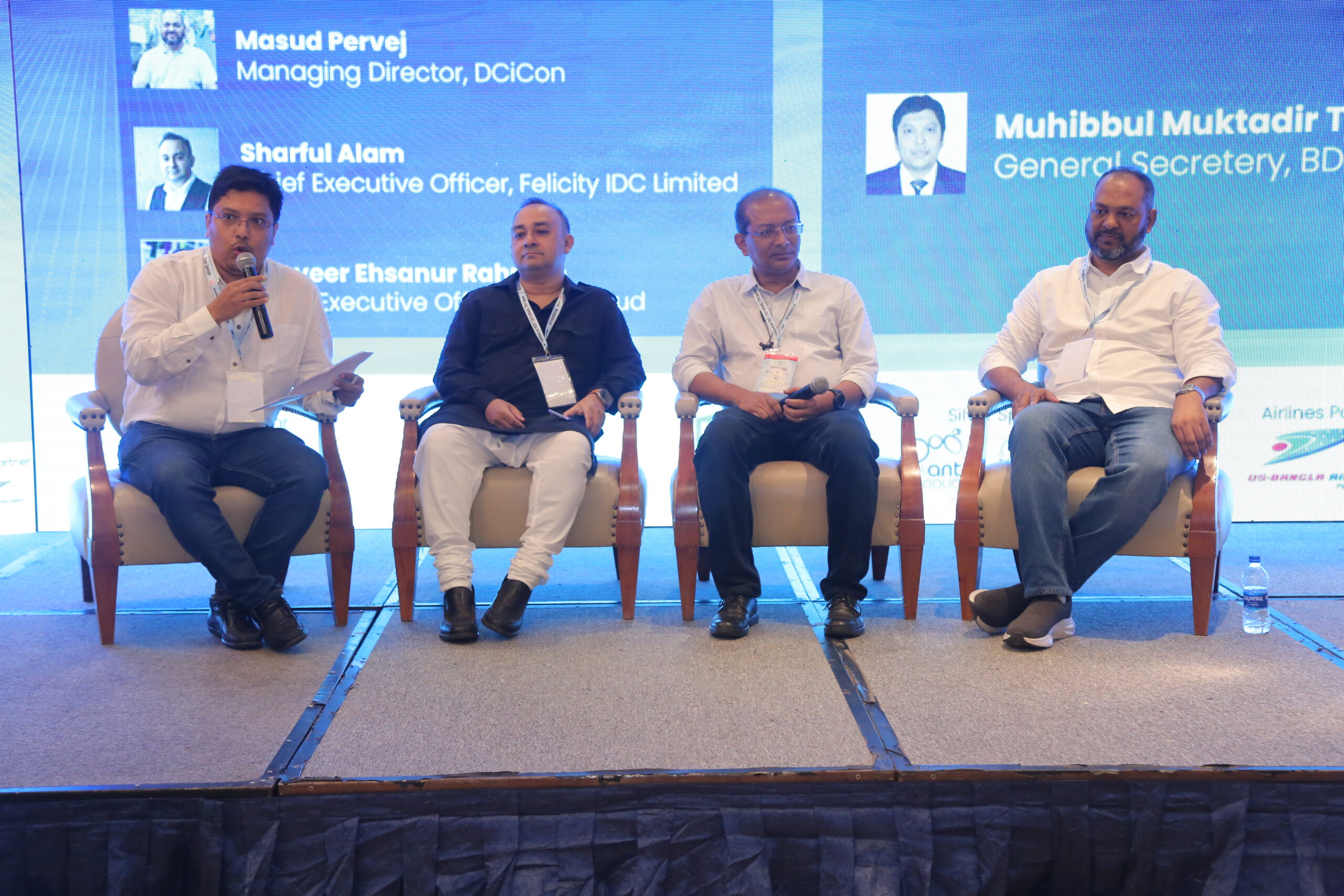
There was another panel discussion on “Toward a Secure Hybrid Cloud: Bridging Traditional Data Centers with Cloud in Bangladesh” highlighted Bangladesh’s digital transformation requires a hybrid cloud strategy that combines traditional data centers with cloud services. This approach allows for control over on-premise systems, which is important for compliance and handling sensitive information, while also benefiting from the cloud’s scalability and cost-effectiveness.
Ensuring security through encryption, access management, and compliance with relevant standards is essential. Solutions must be tailored to address Bangladesh’s infrastructure challenges, such as connectivity and cloud literacy. Additionally, training and awareness are necessary for secure adoption. In the end, a secure hybrid cloud architecture will enhance operational efficiency and protect data integrity in Bangladesh’s evolving digital environment.
And lastly the Questions and Answer sessions draw the attention of the audiences. Four panelists were on the stage to answer the questions from the audiences.
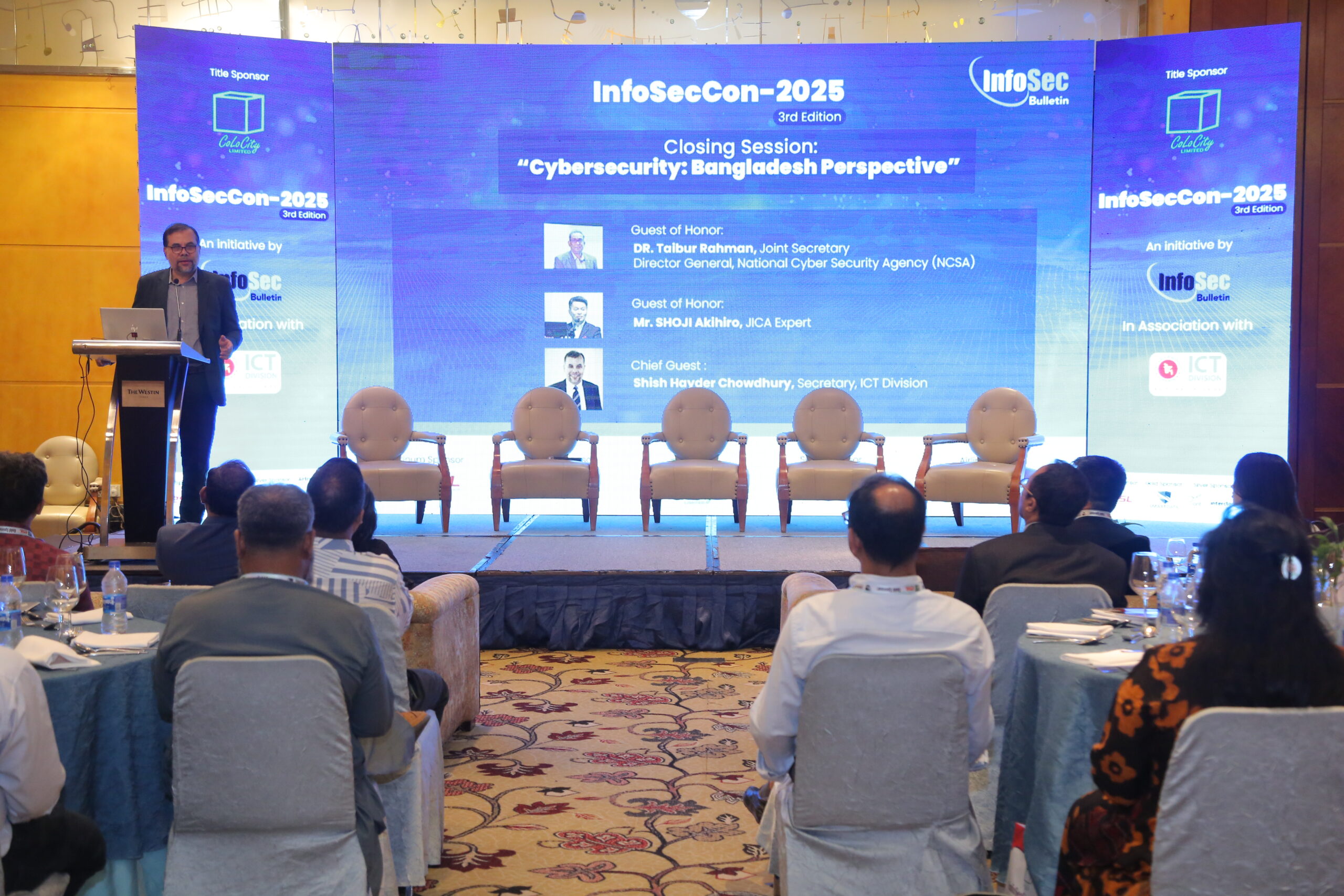
As chief guest Shish Hyder Chowdhury, secretary ICT division said, “Our digital journey, while promising immense growth, also introduces new vulnerabilities. The rise in sophisticated cyber threats demands a unified and proactive approach. He said, ICT Division is committed to fostering a resilient cybersecurity ecosystem. This involves strengthening our national infrastructure, enhancing public awareness, and cultivating a skilled cybersecurity workforce. Collaboration between government, industry, and academia is crucial to building robust defenses.”
Director General of national cyber security agency (NCSA) Dr. Taibur Rahman said, National Cybersecurity Agency is committed to fostering a resilient digital ecosystem. This requires strengthening our national defenses, enhancing public awareness, and cultivating a skilled cybersecurity workforce. Collaboration between government, industry, and academia is crucial to effectively address these challenges. We must prioritize building indigenous capabilities and adopting global best practices tailored to our unique context.
As a guest of honor Mr. SHOJI Akihiro, JICA Expert highlighted its future plan on cyber security in Bangladesh.