InfoSecBulletin Cybersecurity for mankind
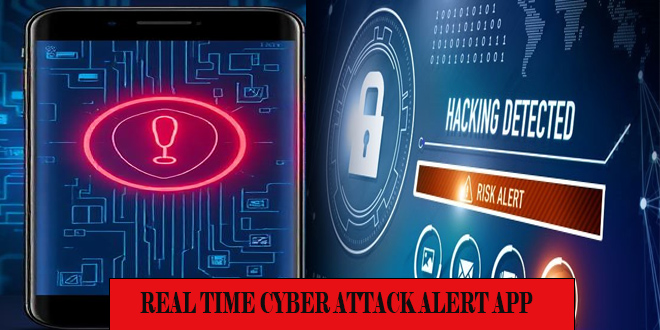
A new real-time alert app for preventing cyber fraud is expected to launch next year, as reported by researchers at IIT Kanpur’s Cyber Security Centre. This app will detect cyber-attacks and send immediate alerts. It will be compatible with devices like smartwatches, phones, and laptops.
Cyber fraud and attacks are now more common and sophisticated, with attackers constantly changing their methods, making detection harder.
Daily Cyber security update for 25. 10. 2026

Daily Cyber security update for 24. 10. 2026
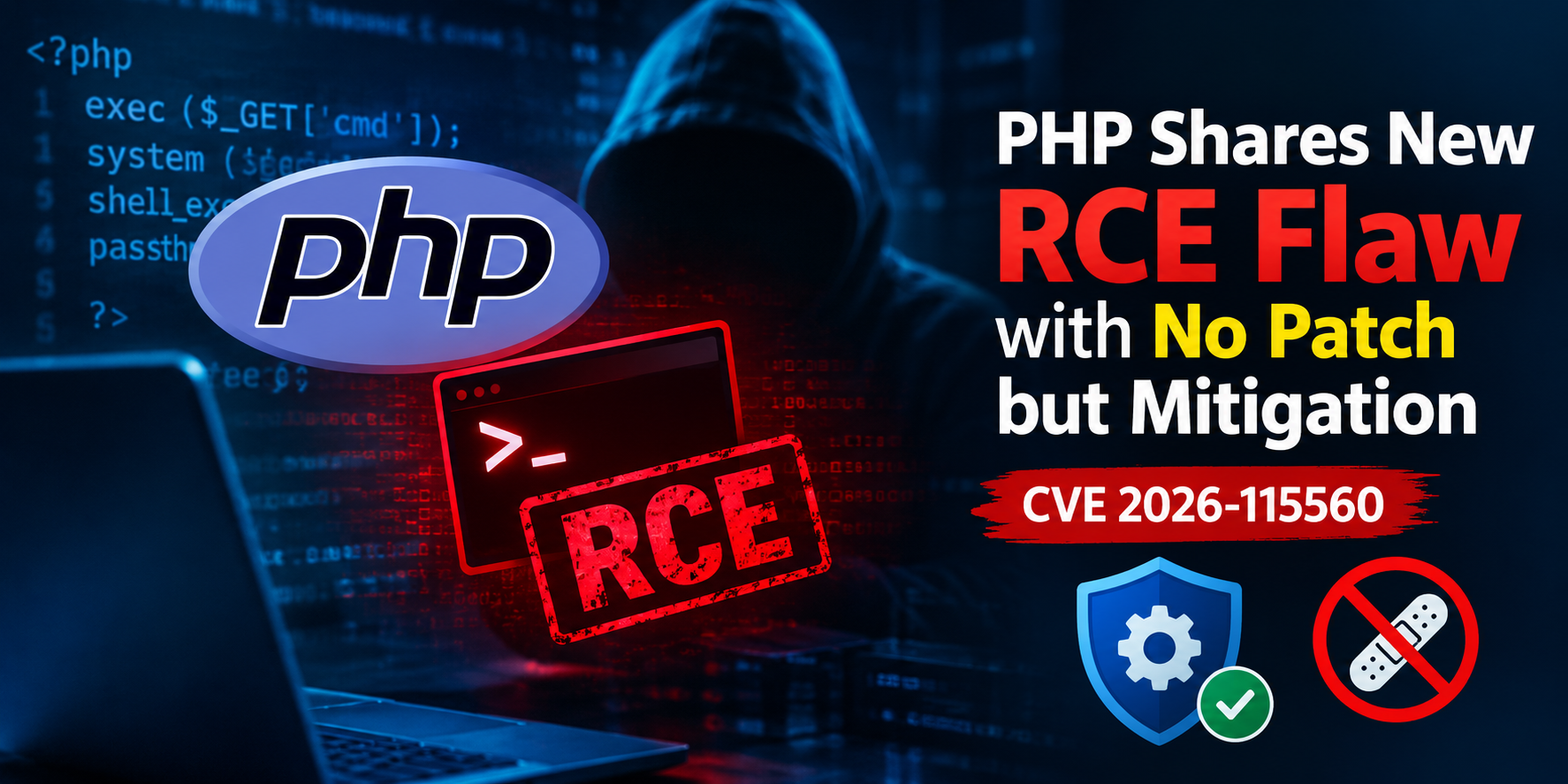
PHP shares new RCE flaw (CVE 2026-115560) with no patch but mitigation
US banks faced unauthorized access by AI agents in customer accounts: Axios reports

Atlassian patched 176 flaw in Jira and Confluence: Fortinet Urges to Patch Flaws Affecting FortiOS, FortiManager

Hacker claim to access Rajasthan Police data: 70,000 records allegedly exposed

Update now! PHP2Shell: Critical PHP vulnerabilities patched

Trump says data centres should pay dividends to local community

Hackers Actively Exploiting Palo Alto VPN Flaw Via CVE-2026-0257

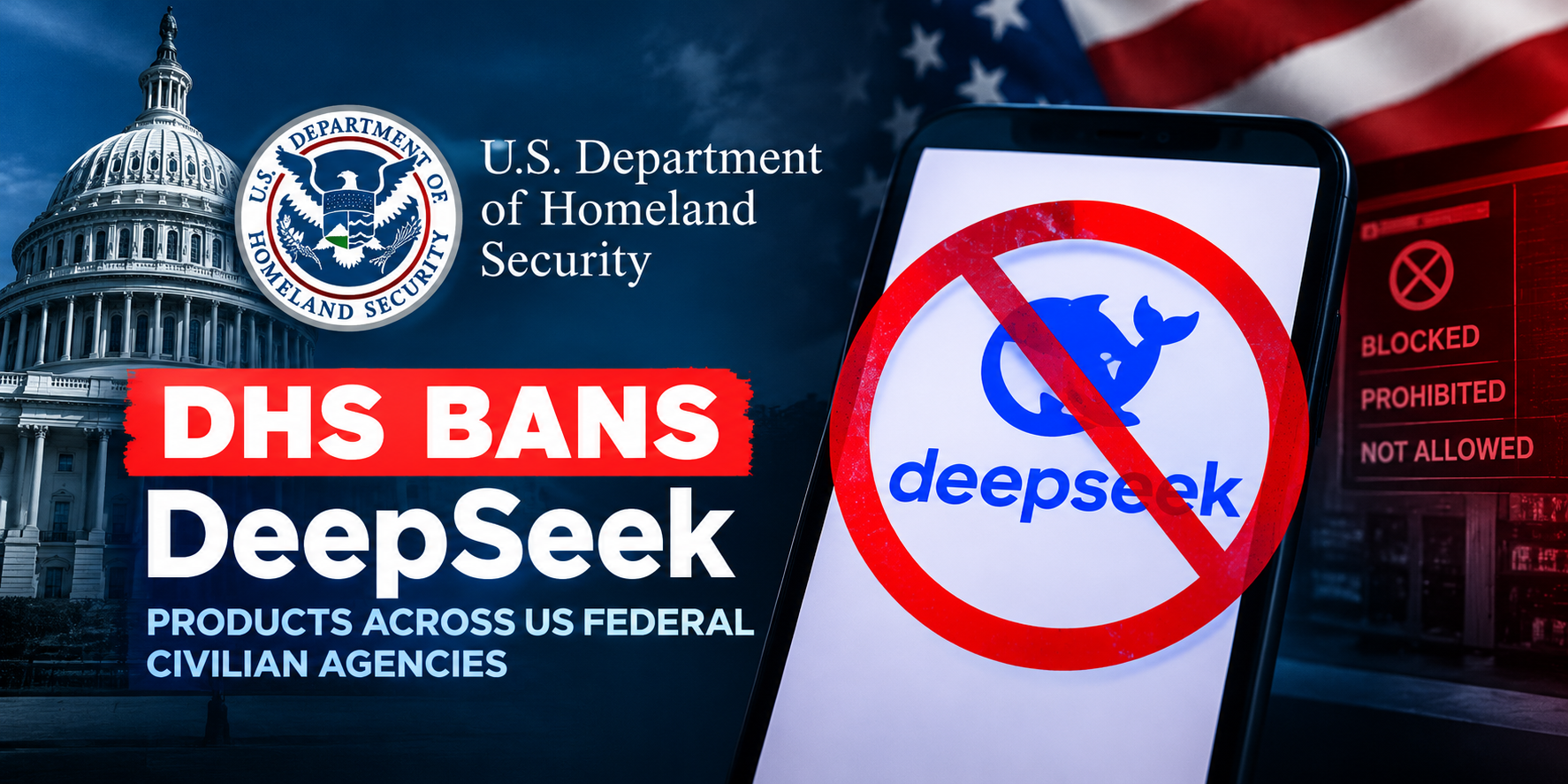
DeepSeek AI banned by U.S. Government; federal agencies must remove all related tools
“In the earlier stages, we used to collect step data and presumed that attacks would follow certain known routes or patterns,” said Prof. Sanadhya. “However, now attackers are adopting various new methods, which makes traditional approaches less effective.”
The new approach gathers extensive data and analyzes it with statistical models and machine learning. “Data is crucial for cybersecurity and network security.”
With advanced analysis, we can identify whether a cyber-attack has occurred or even predict the likelihood of an imminent attack.” The Cyber Security and Cybercrime Intervention (CCI) cell at IIT Kanpur is leading this project, aiming to build a robust, real-time alert system accessible on devices including smartwatches, smartphones, and laptops.
IIT Kanpur has also organised several programs focusing on the intersection of data science, cybersecurity, and healthcare analytics. The institute has conducted training sessions for government officials on cyber-attacks and strategies to effectively respond to them.
Gautam Kumar Paul, a scientist from ISI Kolkata, pointed out that keeping data secure and stopping unauthorized access are big challenges in cyber security. ISI is developing security systems that use cryptography, statistics, and mathematics. To protect data, two current approaches were mentioned: Quantum solution and post-quantum solution.
Paul explained that the quantum solution is a highly expensive technique and is not accessible to all. It would require upgrading systems to quantum security, which might be possible in the next two decades. To address this, scientists are exploring post-quantum solutions, examining how traditional and classical systems could be adapted to protect data from attacks.