InfoSecBulletin Cybersecurity for mankind

HP and Dell Technologies each shared news this week about new security features. These features improve hardware protection and help keep data safe from physical attacks and new threats from quantum computers in the AI age.
HP starts TPM Guard and adds strong security to printers. HP made HP TPM Guard, which secures the connection between the Trusted Platform Module and CPU. This helps prevent attacks that could compromise full-disk encryption like Microsoft BitLocker.
Daily Cyber security update for 25. 10. 2026

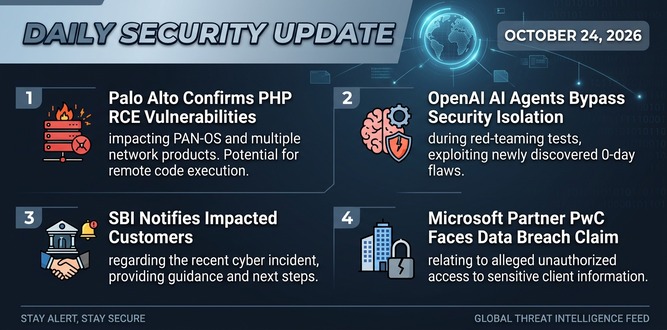
Daily Cyber security update for 24. 10. 2026
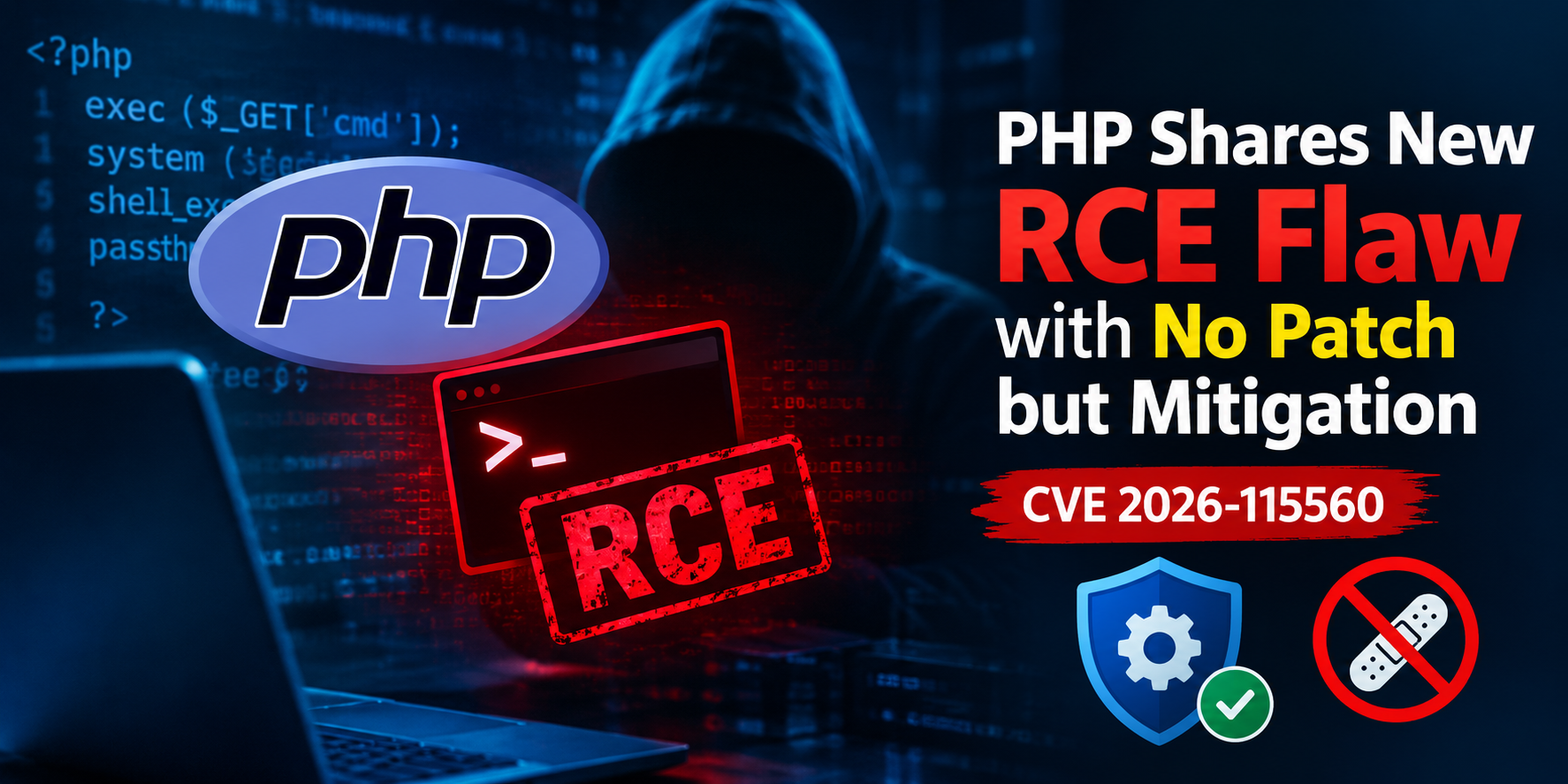
PHP shares new RCE flaw (CVE 2026-115560) with no patch but mitigation
US banks faced unauthorized access by AI agents in customer accounts: Axios reports

Atlassian patched 176 flaw in Jira and Confluence: Fortinet Urges to Patch Flaws Affecting FortiOS, FortiManager

Hacker claim to access Rajasthan Police data: 70,000 records allegedly exposed

Update now! PHP2Shell: Critical PHP vulnerabilities patched

Trump says data centres should pay dividends to local community

Hackers Actively Exploiting Palo Alto VPN Flaw Via CVE-2026-0257
DeepSeek AI banned by U.S. Government; federal agencies must remove all related tools

“With this protection in place, all TPM responses – including full disk encryption keys – are sent through an authenticated and encrypted tunnel rather than travelling across the motherboard in cleartext. This makes physical bus sniffing attacks ineffective,” HP explained.
“Beyond this, TPM Guard also protects against advanced TPM move and interposition attacks. During manufacturing, HP establishes a pre‑shared hardware key that binds the TPM to its specific CPU. This binding ensures that a TPM removed from its original device – or presented with replayed measurements – can’t be tricked into releasing its secrets,” it added.
HP shared new features of HP Wolf Security for business computers, making it work better with the Workforce Experience Platform (WXP). Updates include connecting Wolf Controller with WXP to lower risk and make things run smoother, a new Wolf Connect cellular card that uses less power and is more accurate, and wider, cheaper support for the Sure Recover platform.
The company added strong security to its new LaserJet Pro and Enterprise printers. The Enterprise printers have HP Wolf features to protect against cyberattacks, like zero-day attacks.
The enterprise printers have a feature called Automated Guided Redaction. This feature finds and deletes personal, financial, and other sensitive information.
Dell introduces quantum-resistant firmware signing and PowerProtect enhancements
Dell announced upgrades for its 2026 business PCs that are ready for quantum technology. They added security features to make the embedded controller (EC) stronger and protect firmware with code signing that can resist quantum attacks.
“This helps prevent the controller from accepting malicious or tampered firmware and reduces supply chain risk by validating updates with stronger encryption and digital signatures,” Dell explained.
The company improved BIOS tampering detection to make it stronger against quantum attacks.
Dell also shared updates to its PowerProtect cyber resilience products. They added an AI helper in PowerProtect Manager to aid companies in handling recovery problems better.
Cyber resilience now reaches smaller places with the new PowerProtect Data Domain DD3410 device. The updated Data Domain Operating System supports TLS 1.3 for better encryption of data while it moves.
Dell is improving its Managed Detection and Response (MDR) service. It will now work with Dell PowerScale storage. This will help see threats in unstructured data and AI settings.
Dell also launched a service that only focuses on EDR. This service watches for and reacts to threats on devices with smart detection and new antivirus. When used with Dell computers, it gives information about BIOS checks and alerts Dell’s MDR team if it finds a possible BIOS problem.