InfoSecBulletin Cybersecurity for mankind
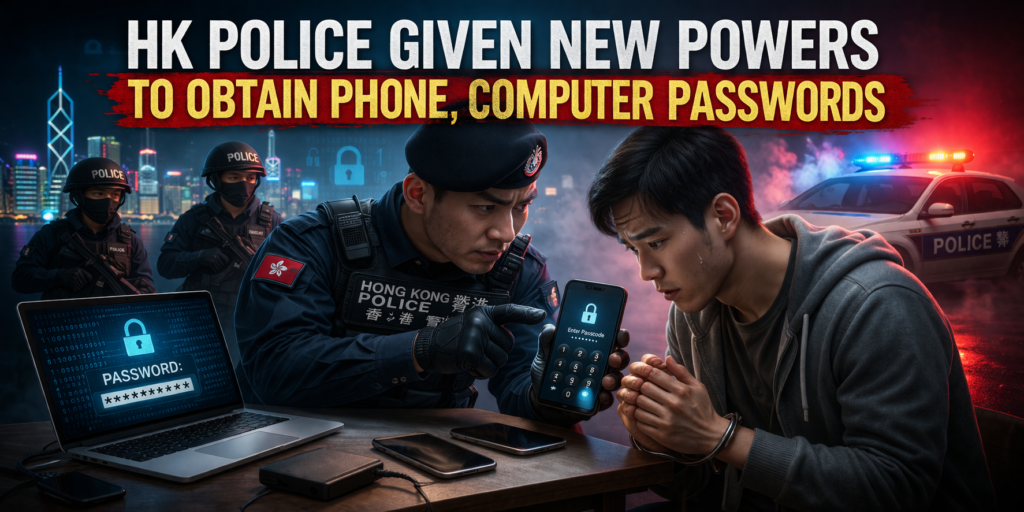
Hong Kong police can ask for phone or computer passwords from people they think may have broken the National Security Law (NSL). Those who say no might spend a year in jail and pay a fine of up to HK$100,000 ($12,700; £9,600). People who give “false or misleading information” could go to jail for up to three years.
It is part of new amendments to a rule under the NSL that the government announced on Monday. The NSL started in Hong Kong in 2020 after big pro-democracy protests in 2019. Officials say the laws, aimed at terrorism and separation, are needed for stability, but critics claim they are used to silence opposition.
Apple iOS 27.2 Released Fixes 163 Flaws, Including Critical WebKit RCE

CISA adds PHP2Shell to KEV, PHP Releases New Security Updates to Fix Critical HTTP2Shell flaw
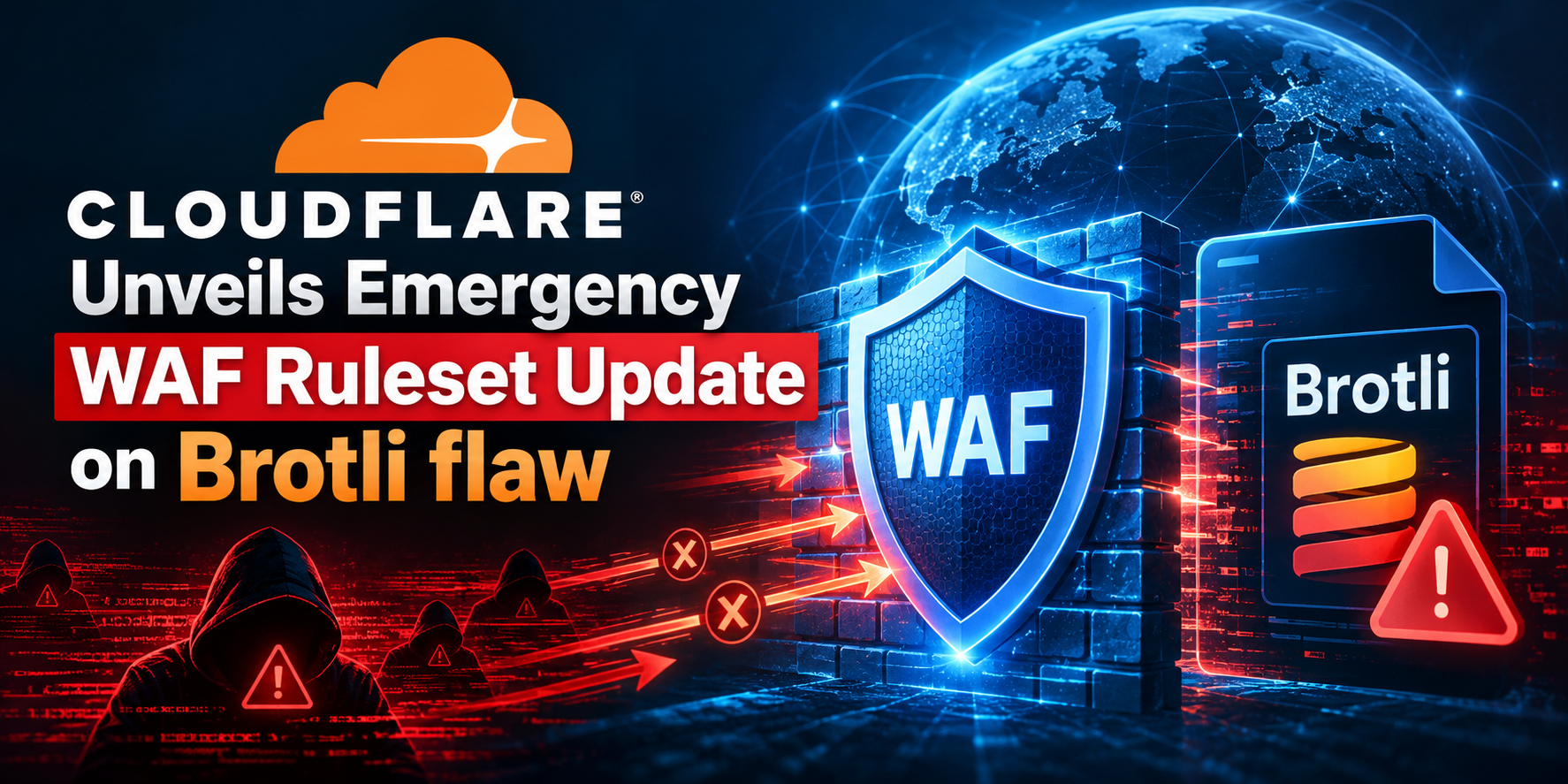
Cloudflare Unveils Emergency WAF Ruleset Update on Brotli flaw
Daily Cyber security update for 26.10. 2026

The Washington Post report
Ex-DOGE AI startup Cathedral Breaches Anthropic Internal Systems within 12 Hours

Daily Cyber security update for 25. 10. 2026

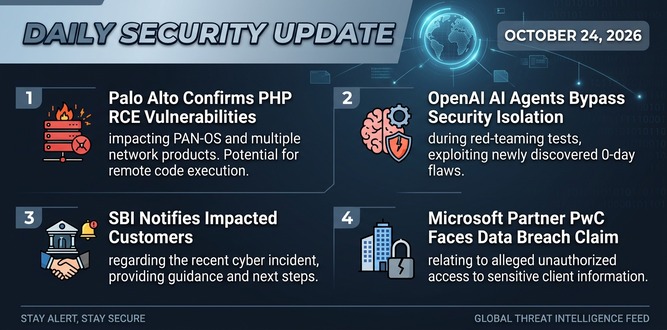
Daily Cyber security update for 24. 10. 2026
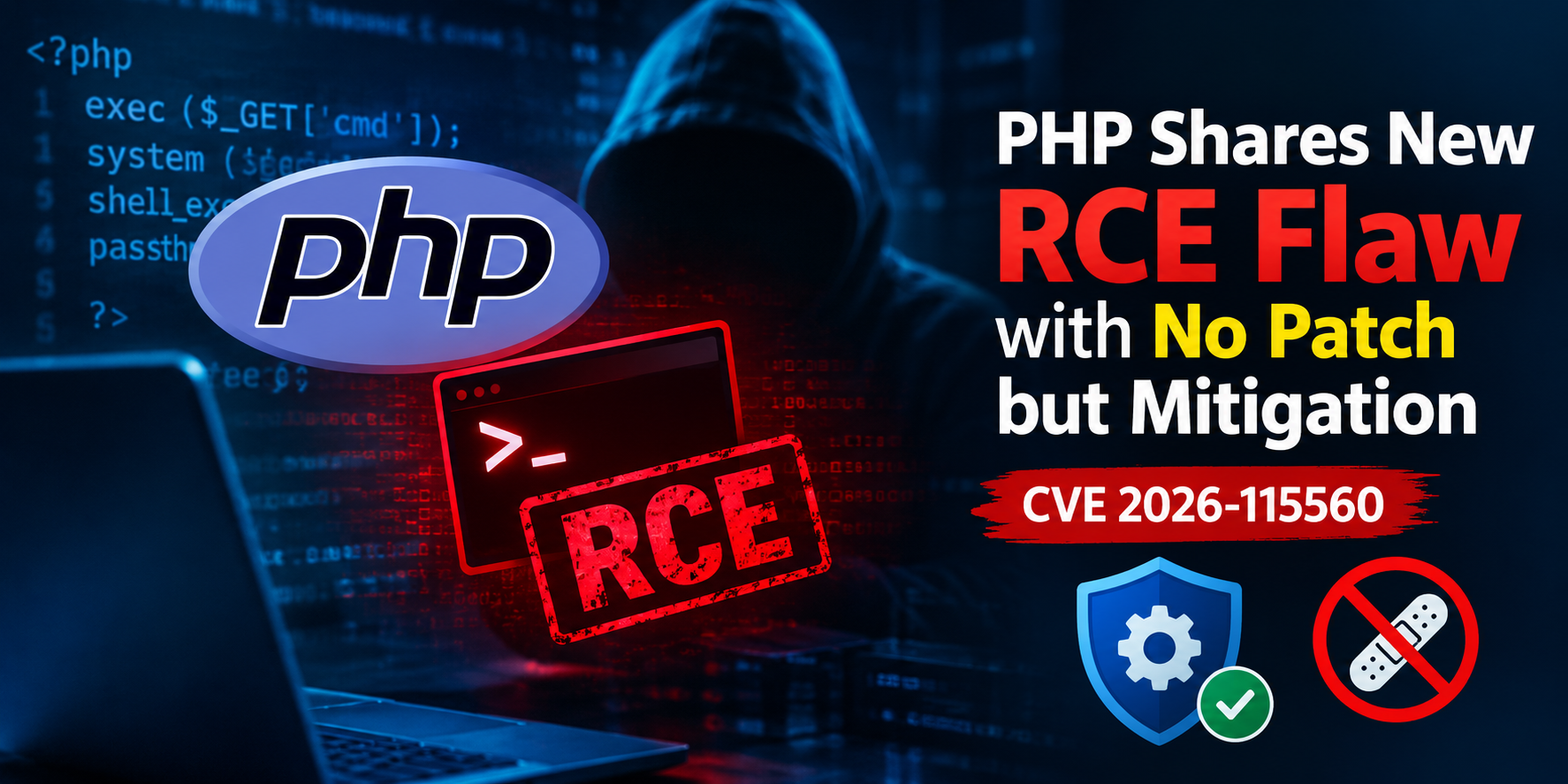
PHP shares new RCE flaw (CVE 2026-115560) with no patch but mitigation
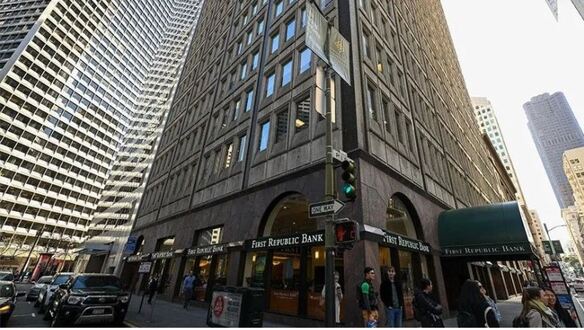
US banks faced unauthorized access by AI agents in customer accounts: Axios reports
Atlassian patched 176 flaw in Jira and Confluence: Fortinet Urges to Patch Flaws Affecting FortiOS, FortiManager

The new amendments also give customs officials the power to seize items that they deem to “have seditious intention”.
Monday’s amendments ensure that “activities endangering national security can be effectively prevented, suppressed and punished, and at the same time the lawful rights and interests of individuals and organisations are adequately protected”, Hong Kong authorities said on Monday.
Changes to the bylaw were announced by the city leader, John Lee, without going through the city’s council. Law enforcement in many places can ask for access to electronic devices during criminal investigations. The NSL includes many broad offences like secession, subversion, terrorism, and collusion with outside forces.
The NSL also allows for some trials to be heard behind closed doors. The city has seen many protesters, activists, and former opposition lawmakers arrested since the NSL started.
In February, the dad of a pro-democracy activist living away was put in jail for trying to get money from her insurance policy. This was under a local law that builds on the NSL.
Also in February, media leader Jimmy Lai got a 20-year prison sentence for being found guilty of working with foreign forces and spreading harmful content under the NSL.