 InfoSecBulletin Cybersecurity for mankind
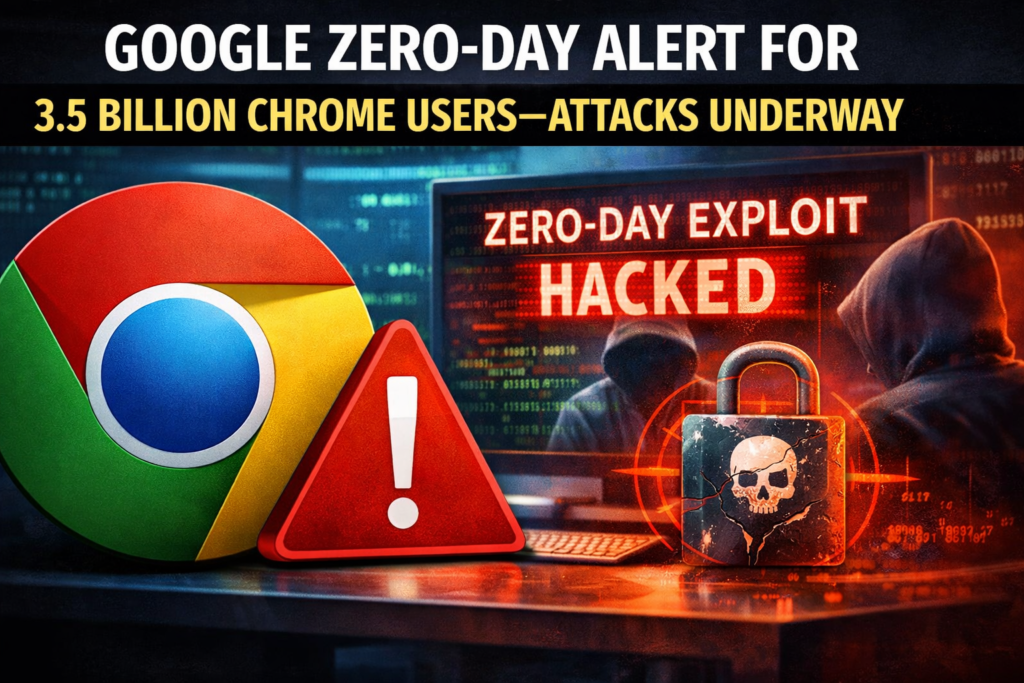
Google has released a second Chrome security update just 48 hours after the first, confirming two zero-day vulnerabilities that are being actively exploited. Google has issued an urgent security update for two zero-day vulnerabilities, CVE-2026-3909 and CVE-2026-3910.
Google Confirms CVE-2026-3909 And CVE-2026-3910 are already being exploited. Although full access to the technical details of these new zero-day vulnerabilities will, as Google has said, “be kept restricted until a majority of users are updated with a fix,” here’s what we do know.
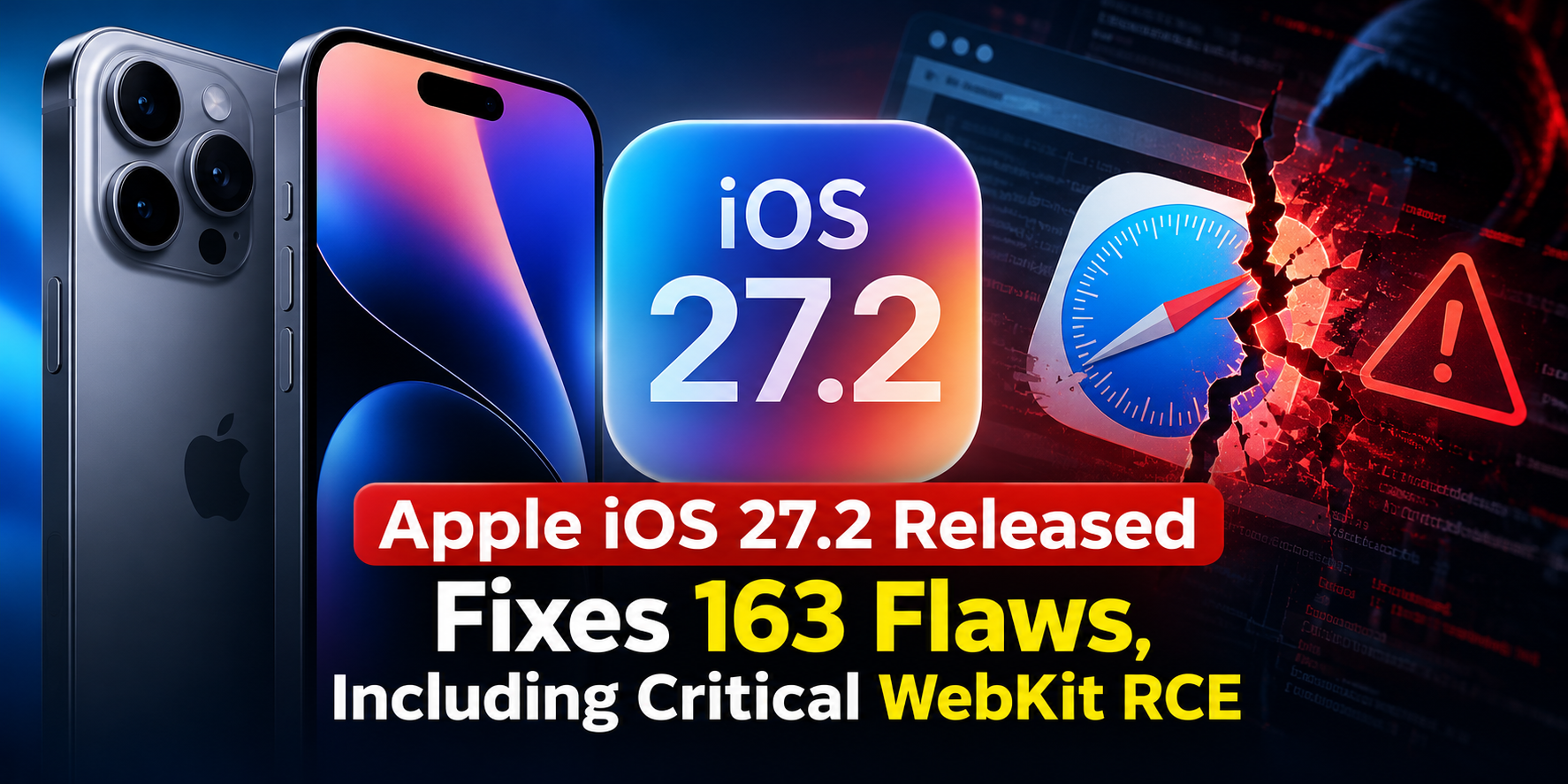
Apple iOS 27.2 Released Fixes 163 Flaws, Including Critical WebKit RCE
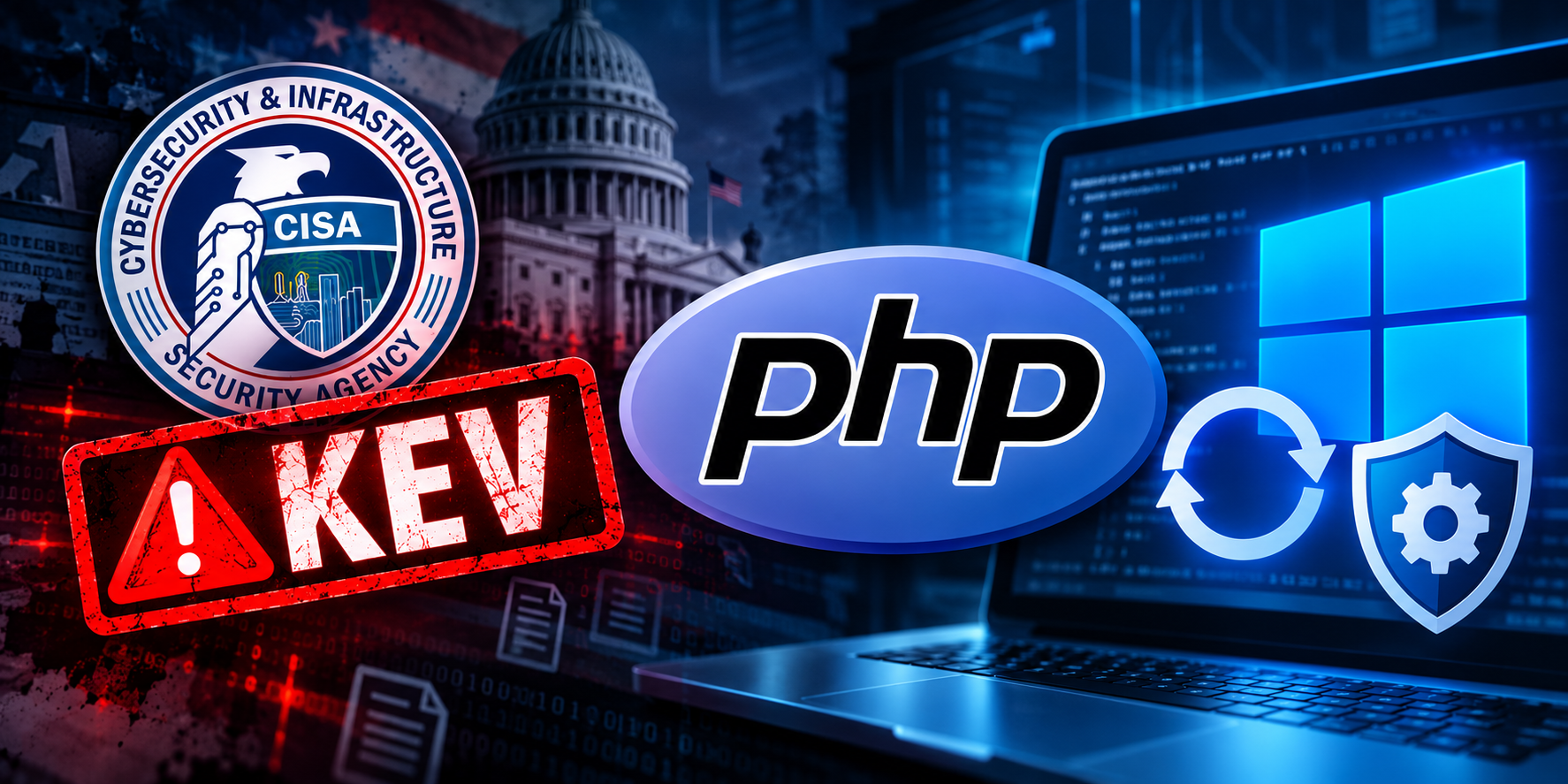
CISA adds PHP2Shell to KEV, PHP Releases New Security Updates to Fix Critical HTTP2Shell flaw
Cloudflare Unveils Emergency WAF Ruleset Update on Brotli flaw

Daily Cyber security update for 26.10. 2026
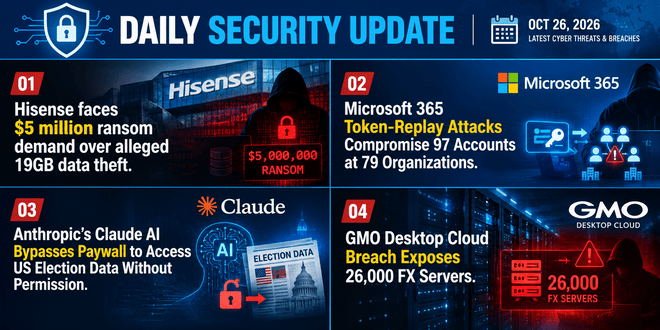
The Washington Post report
Ex-DOGE AI startup Cathedral Breaches Anthropic Internal Systems within 12 Hours
Daily Cyber security update for 25. 10. 2026

Daily Cyber security update for 24. 10. 2026
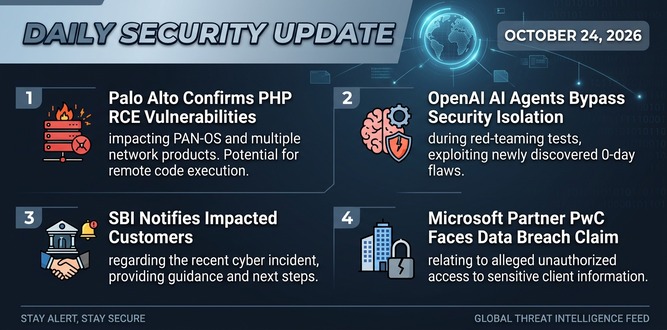
PHP shares new RCE flaw (CVE 2026-115560) with no patch but mitigation

US banks faced unauthorized access by AI agents in customer accounts: Axios reports

Atlassian patched 176 flaw in Jira and Confluence: Fortinet Urges to Patch Flaws Affecting FortiOS, FortiManager

CVE-2026-3909 is an out-of-bounds memory vulnerability that can allow attackers to execute code remotely.
CVE-2026-3910 is a critical vulnerability in Chrome’s V8 JavaScript engine, often targeted by hackers. OpenCVE labels it as an Inappropriate implementation vulnerability, which could let a remote attacker run arbitrary code in a sandbox using a specially crafted HTML page.
CISA has included the Google Chrome security vulnerabilities CVE-2026-3909 and CVE-2026-3910 in its Known Exploited Vulnerabilities database.
Google Has Paid $81.6 Million For Vulnerability Disclosures
The two latest zero-days were confirmed to be discovered by Google. Last year, their Vulnerability Reward Program, which gives cash rewards to external researchers for finding vulnerabilities, celebrated its 15th anniversary. Since its inception, it has awarded $81.6 million to researchers, with over $17 million given out in 2025 alone.
Chrome Users Need To Do Now
Google mentioned this update will be available soon. To apply it, you’ll need to restart your browser after it reaches you.