InfoSecBulletin Cybersecurity for mankind
CISA and the UK’s NCSC released a joint advisory about new tactics of Russian Foreign Intelligence Service (SVR) cyber actors.
This group, also known as APT29, Midnight Blizzard, the Dukes or Cozy Bear, has been identified by the US as a cyber-espionage entity linked to the Russian SVR intelligence agency.
Hacker claim to access Rajasthan Police data: 70,000 records allegedly exposed

Update now! PHP2Shell: Critical PHP vulnerabilities patched

Trump says data centres should pay dividends to local community

Hackers Actively Exploiting Palo Alto VPN Flaw Via CVE-2026-0257
DeepSeek AI banned by U.S. Government; federal agencies must remove all related tools
CISA, NSA and NIST Publish New 10 AI Agent Control Guidelines
Claude AI Cracks 25-Year NSA Cryptography Number Mystery in Just 30 Minutes
Bypassing firewalls, AI Agents Accessed Indian ‘ Data Without Permission: CERT-In
MITRE ATT&CK v20 Unveils 9 New Attack Techniques On AI Exploits, MFA Bypass, and CAPTCHA Evasion
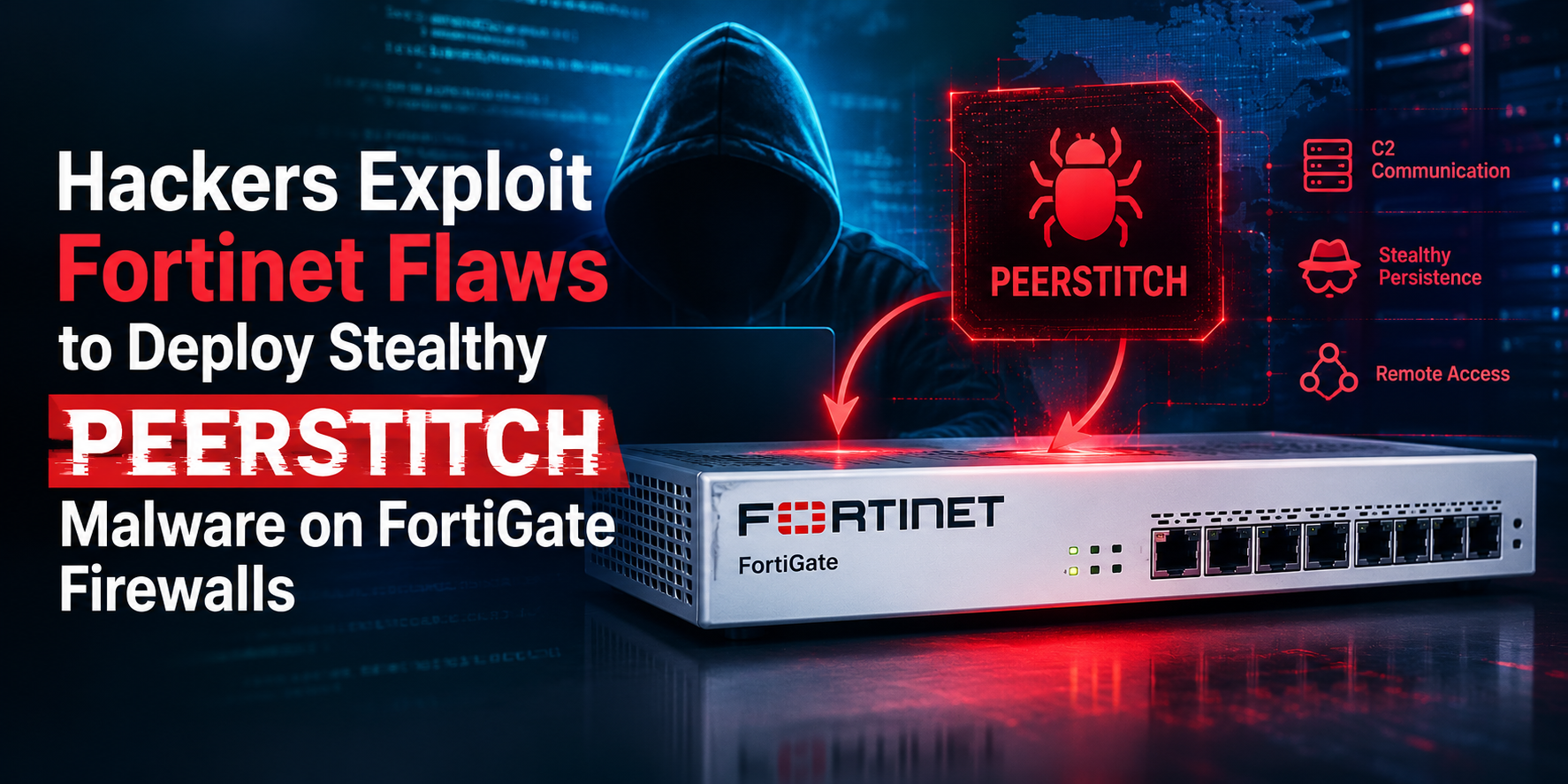
Hackers Exploit Fortinet Flaws to Deploy Stealthy PEERSTITCH Malware on FortiGate Firewalls
The advisory explains how the group has been trying to hack into cloud environments. This is happening because more and more organizations are using cloud-based infrastructure.
SVR actors used to focus on exploiting vulnerabilities in on-premises networks, but now they target cloud services directly. This change requires a new defense approach, as cloud environments need successful authentication for access, making it harder for threat actors.
SVR actors have been involved in previous activities, like the SolarWinds supply chain compromise and targeting organizations working on COVID-19 vaccine development.
The recent CISA advisory shows that SVR is now targeting more sectors, including aviation, education, law enforcement, and government financial departments.
SVR actors use various techniques to gain initial access, like brute-forcing, password spraying, and exploiting dormant accounts. They also rely on cloud-based token authentication and residential proxies to continue their covert operations and avoid detection.
It’s important for organizations to have strong cybersecurity measures, such as multi-factor authentication, regular password resets, and least-privilege access policies. Detecting and dealing with SVR’s tactics requires a thorough approach, using different sources of information and indicators of compromise.
The advisory emphasized the need for a strong cybersecurity foundation to protect against advanced threats such as SVR.
“The SVR is a sophisticated actor capable of carrying out a global supply chain compromise such as the 2020 SolarWinds. However, the guidance in this advisory shows that a strong baseline of cyber security fundamentals can help defend from such actors,” CISA warned.
“For organizations that have moved to cloud infrastructure, a first line of defense against an actor such as SVR should be to protect against SVR’s TTPs for initial access. By following the mitigations outlined in this advisory, organizations will be in a stronger position to defend against this threat.”