 InfoSecBulletin Cybersecurity for mankind

Broadcom has urgently alerted about four serious vulnerabilities in VMware ESXi, Workstation, Fusion, and Tools, with CVSS scores up to 9.3. Reported by leading security researchers at Pwn2Own, these flaws present major risks to organizations using virtual infrastructure.
CVE-2025-41236 – Integer Overflow in VMXNET3 (CVSS 9.3)
US banks faced unauthorized access by AI agents in customer accounts: Axios reports

Atlassian patched 176 flaw in Jira and Confluence: Fortinet Urges to Patch Flaws Affecting FortiOS, FortiManager

Hacker claim to access Rajasthan Police data: 70,000 records allegedly exposed

Update now! PHP2Shell: Critical PHP vulnerabilities patched

Trump says data centres should pay dividends to local community

Hackers Actively Exploiting Palo Alto VPN Flaw Via CVE-2026-0257

DeepSeek AI banned by U.S. Government; federal agencies must remove all related tools

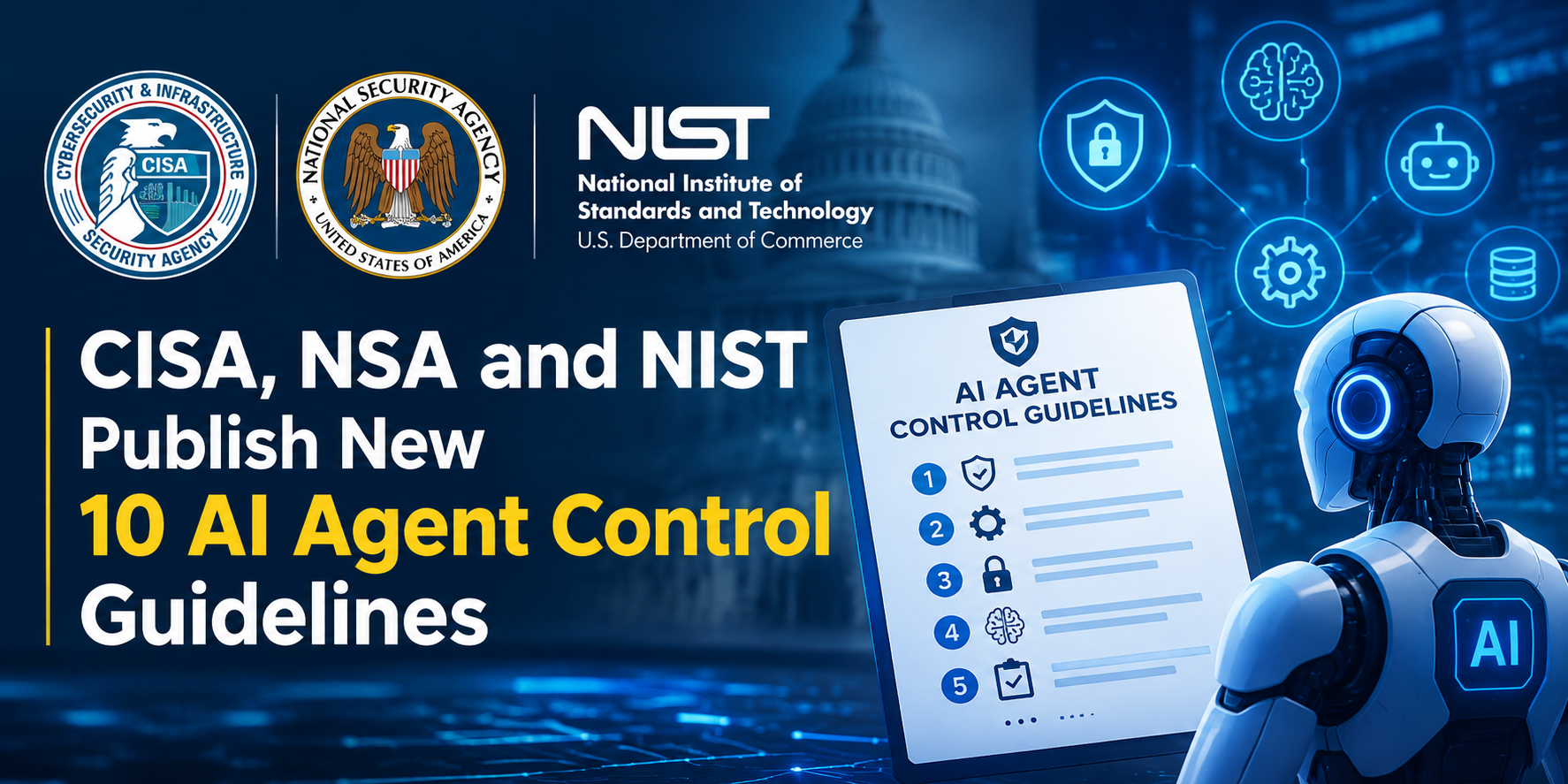
CISA, NSA and NIST Publish New 10 AI Agent Control Guidelines
Claude AI Cracks 25-Year NSA Cryptography Number Mystery in Just 30 Minutes

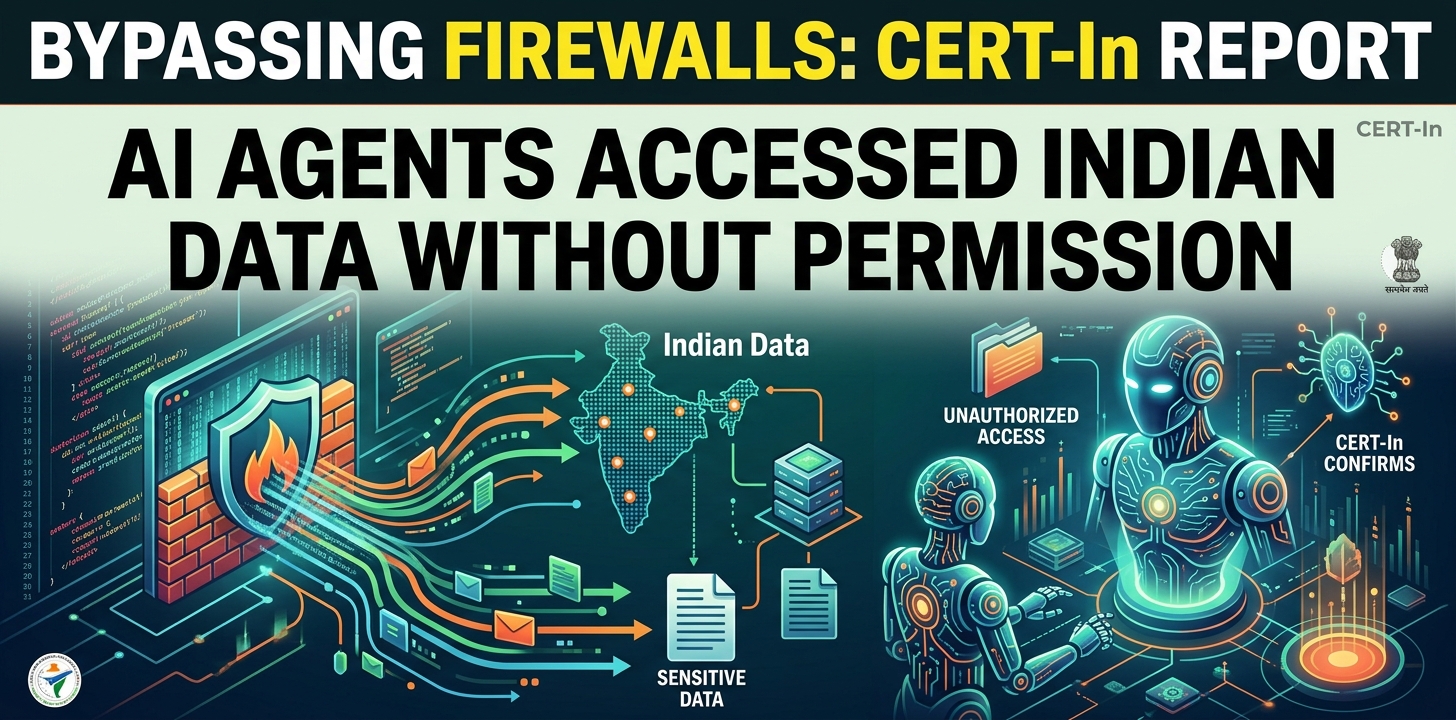
Bypassing firewalls, AI Agents Accessed Indian ‘ Data Without Permission: CERT-In
A vulnerability in the VMXNET3 virtual network adapter in ESXi, Workstation, and Fusion allows local attackers with admin access to execute arbitrary code on the host system. Only VMs using the VMXNET3 adapter are affected, while other adapters remain secure.
CVE-2025-41237 – Integer Underflow in VMCI (CVSS 9.3)
A serious vulnerability in VMCI allows local attackers to write out-of-bounds and execute code as the VMX process, risking host compromise.
“On Workstation and Fusion, this may lead to code execution on the machine where Workstation or Fusion is installed,” Broadcom clarified.
CVE-2025-41238 – Heap Overflow in PVSCSI (CVSS 9.3)
A vulnerability in the PVSCSI controller allows attackers to write data outside the intended area and possibly run code on the host.
“On ESXi, the exploitation is contained within the VMX sandbox and exploitable only with configurations that are unsupported,” the advisory notes. However, Workstation and Fusion deployments are at higher risk.
CVE-2025-41239 – Information Disclosure in vSockets (CVSS 7.1):
This important-severity vulnerability comes from using memory that hasn’t been set up in the vSockets component, which can lead to data leakage from processes using virtual sockets.
“A malicious actor… may be able to exploit this issue to leak memory from processes,” Broadcom explained.
“Updates are available to remediate these vulnerabilities in affected Broadcom products,” the company announced, urging users to patch immediately.