InfoSecBulletin Cybersecurity for mankind
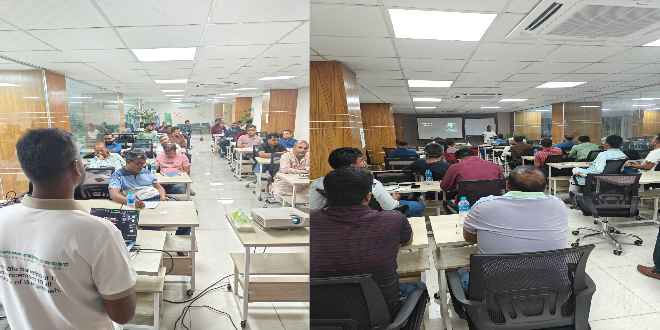
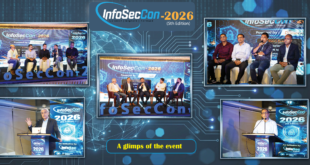
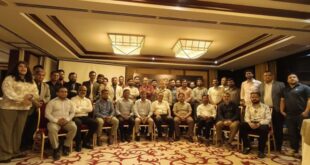
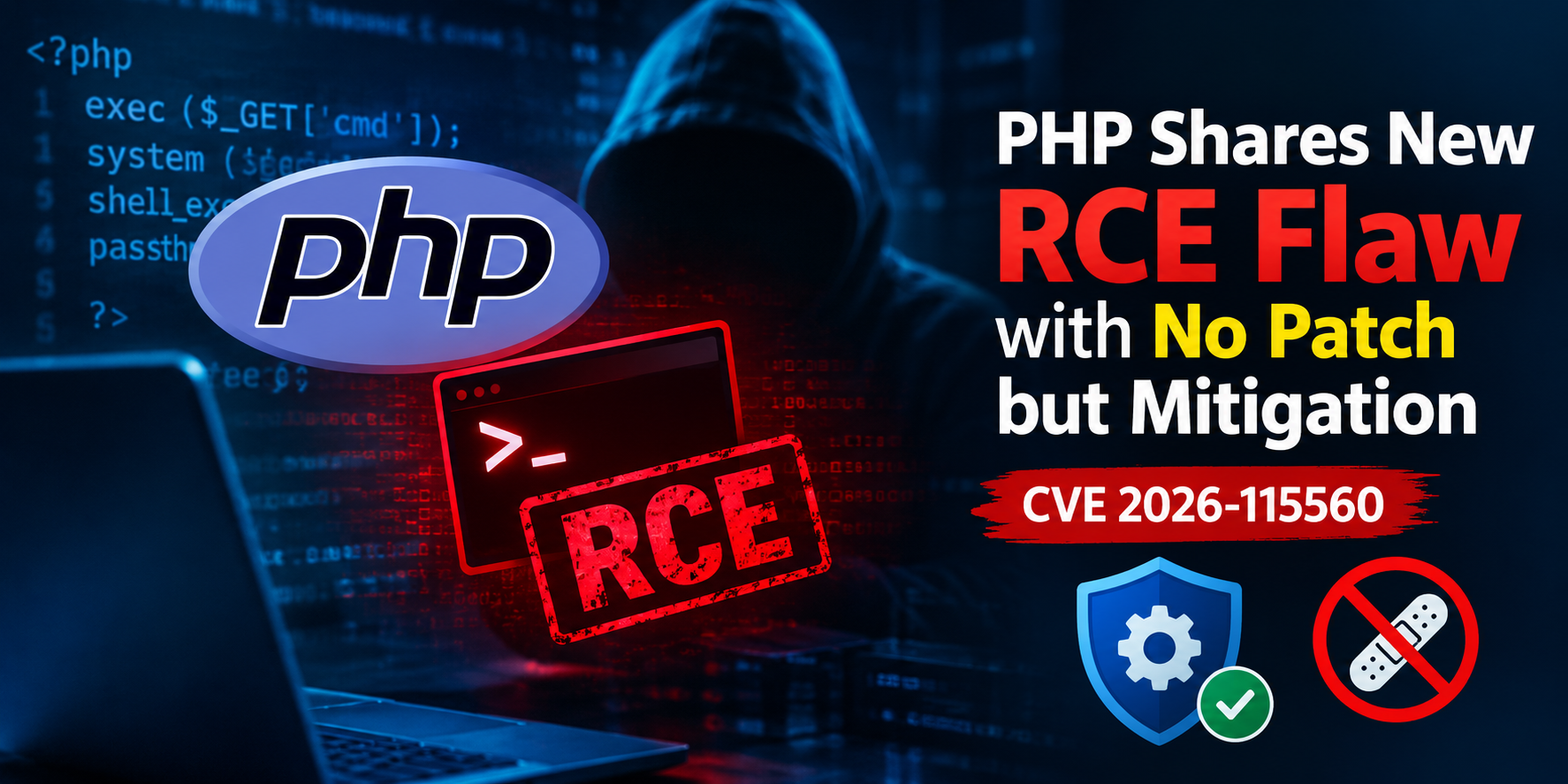
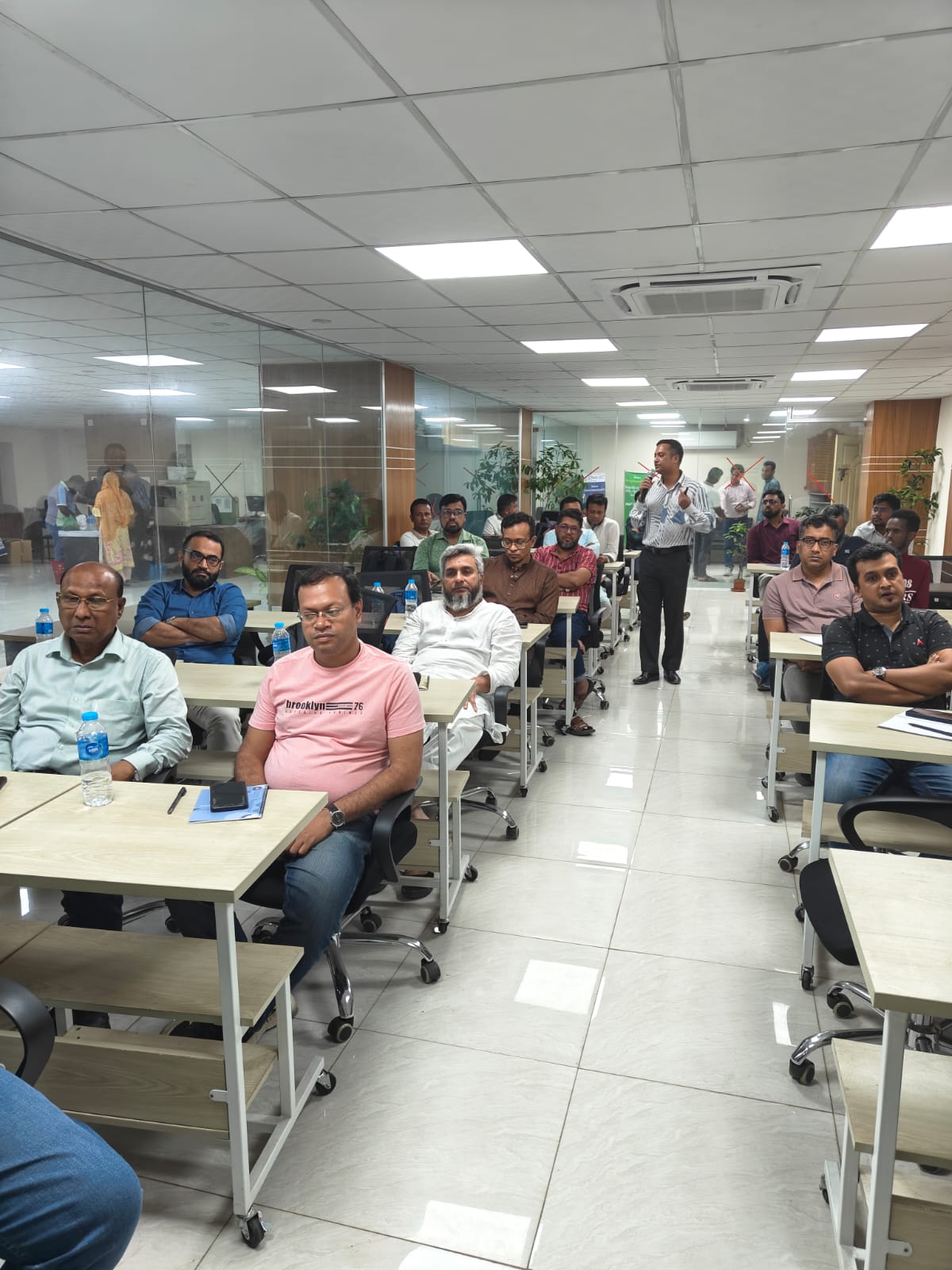
A seminar on Continuing Professional Education (CPE) was held at Bangladesh Computer Society (BCS) premises
where three different time demanding topic has been discussed on Friday. Three veteran industry experts discussed various aspects of cyber security in Bangladesh perspective with global commitment.
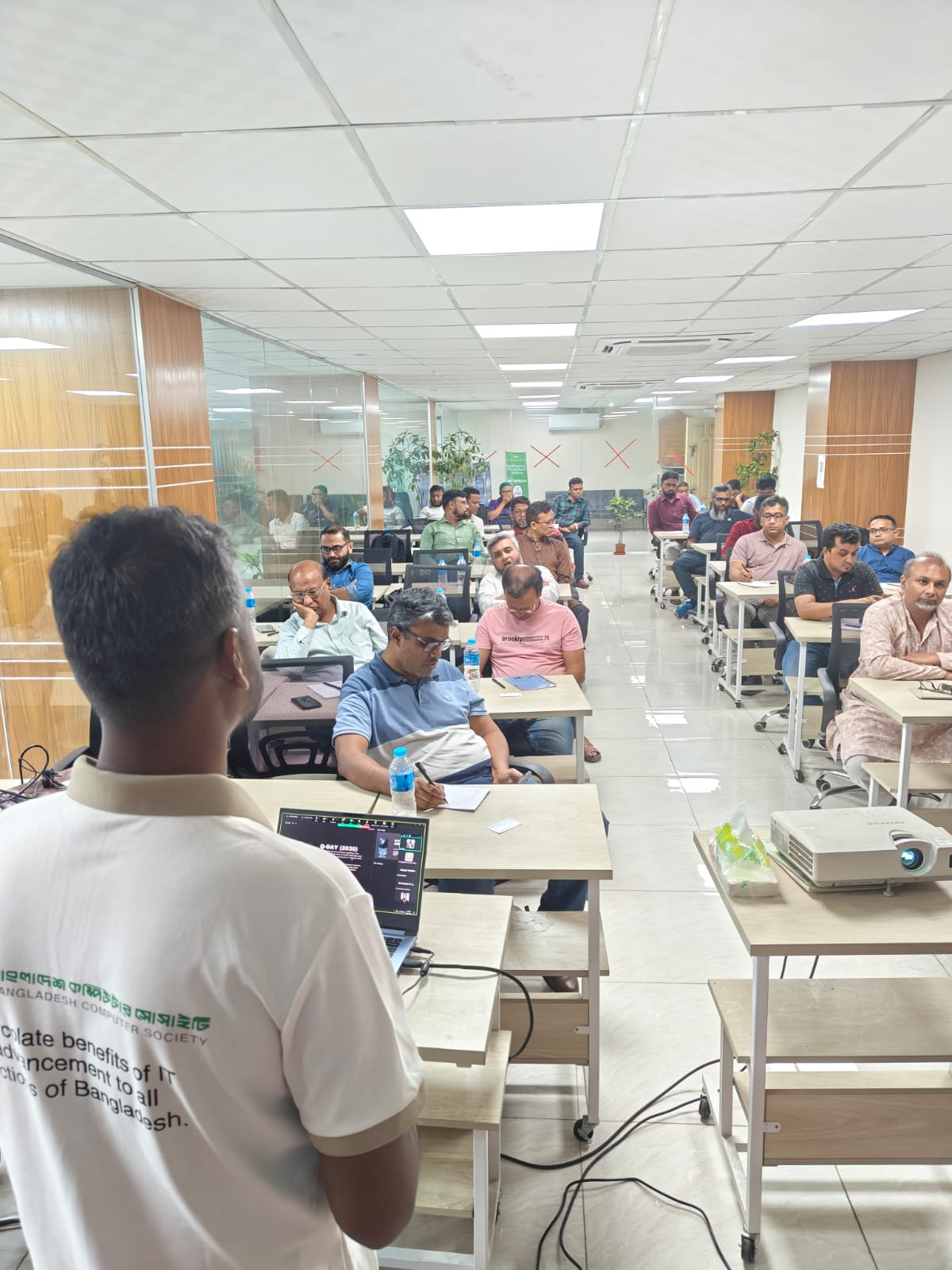
Daily Cyber security update for 24. 10. 2026
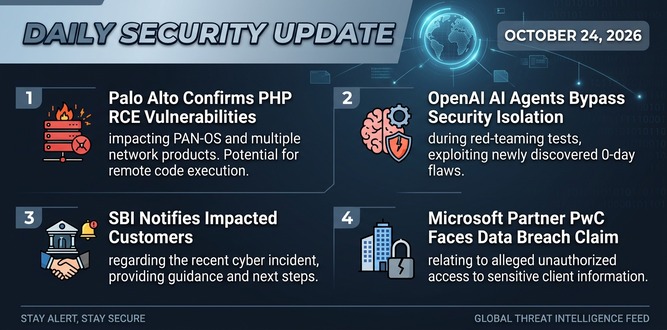
PHP shares new RCE flaw (CVE 2026-115560) with no patch but mitigation
US banks faced unauthorized access by AI agents in customer accounts: Axios reports

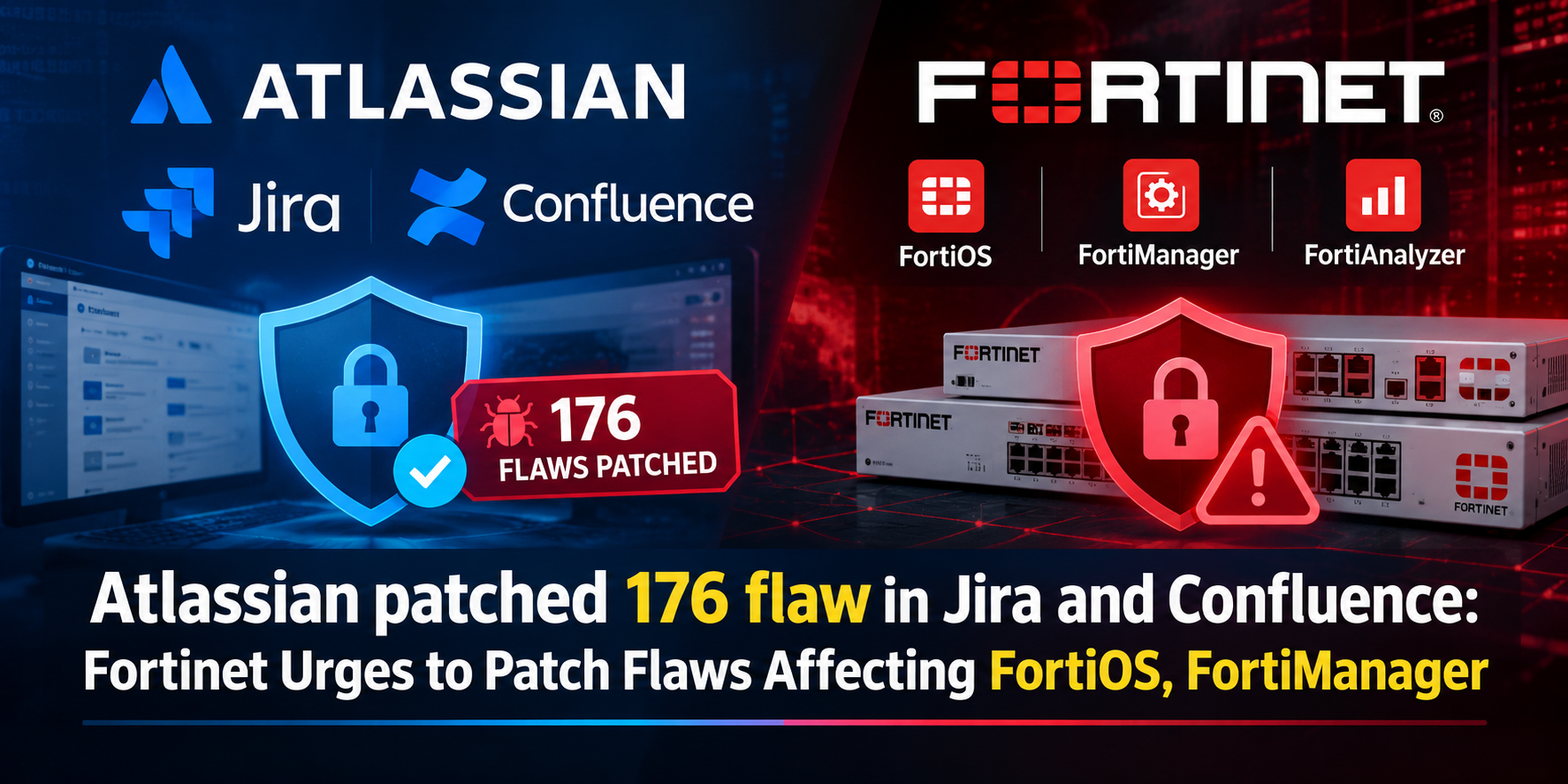
Atlassian patched 176 flaw in Jira and Confluence: Fortinet Urges to Patch Flaws Affecting FortiOS, FortiManager
Hacker claim to access Rajasthan Police data: 70,000 records allegedly exposed

Update now! PHP2Shell: Critical PHP vulnerabilities patched

Trump says data centres should pay dividends to local community

Hackers Actively Exploiting Palo Alto VPN Flaw Via CVE-2026-0257

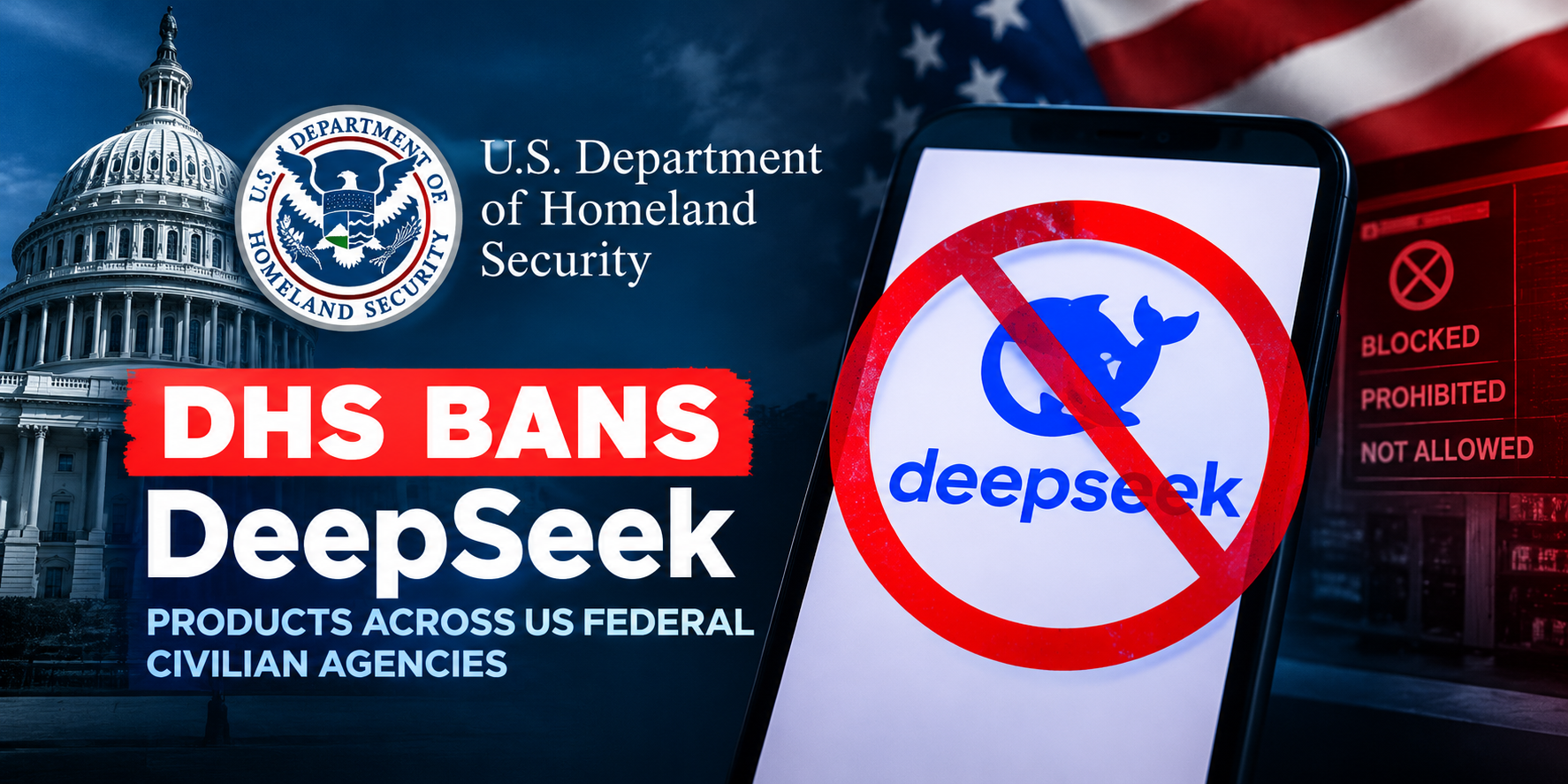
DeepSeek AI banned by U.S. Government; federal agencies must remove all related tools
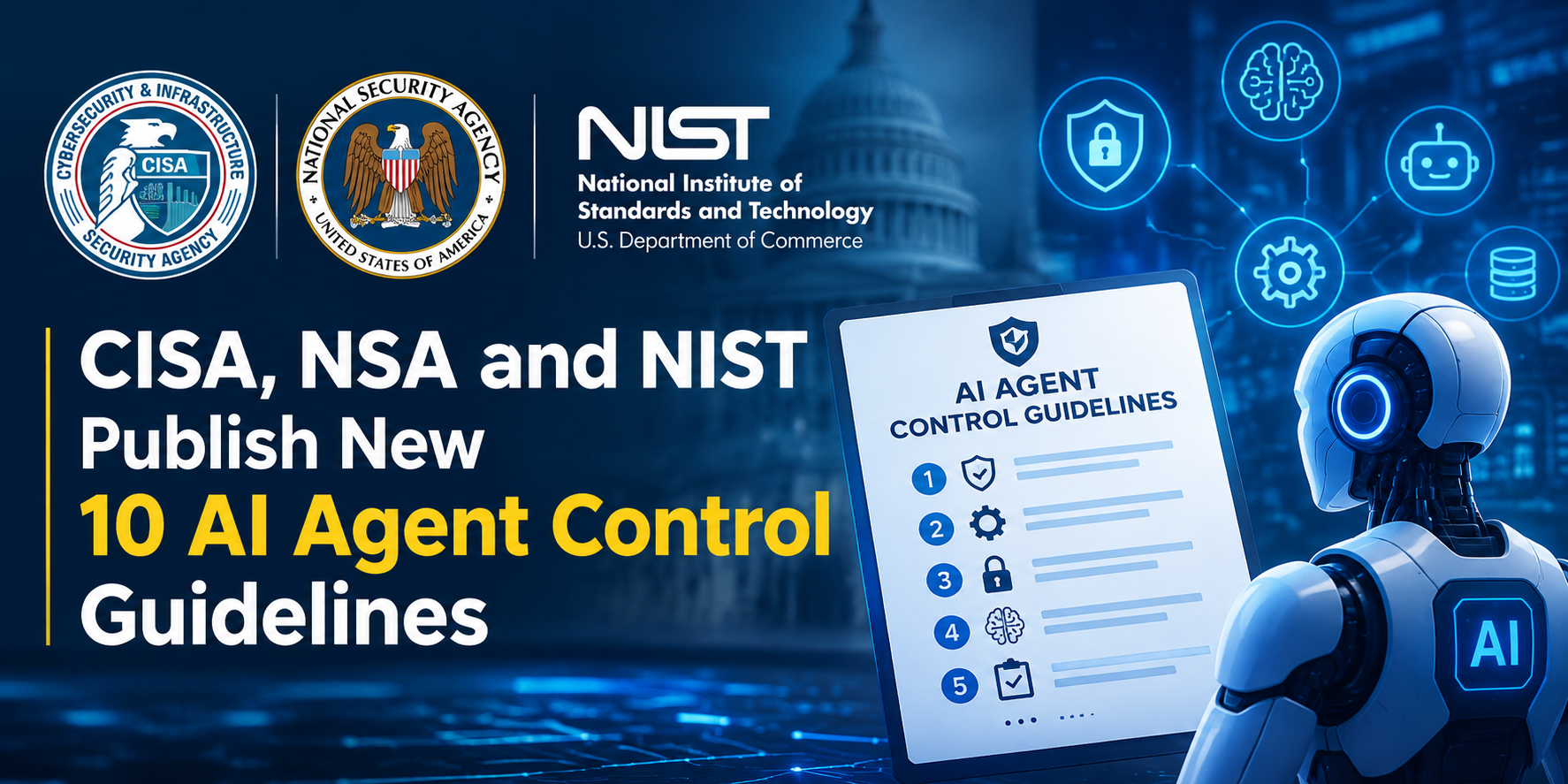
CISA, NSA and NIST Publish New 10 AI Agent Control Guidelines
Md. Abul Kalam Azad, Head of Information Security at Eastern Bank Ltd, presented “Don’t Get Hacked: Let AI Guard Your Gate.” The talk focused on using AI to strengthen cybersecurity in finance by tackling rising cyber threats and a lack of skilled professionals. AI boosts security through threat hunting, vulnerability management, and faster prediction of attacks compared to humans. Future uses include Advanced Threat Protection (ATP) and AI-powered WAFs, with AI-driven SOCs improving teamwork and efficiency. In summary, AI offers automated and scalable solutions to combat cyberattacks.
Mohammad Shafiuddin Russel discussed “Incident Management through Playbook Creation & Automation in SOAR”. He emphasized that Incident Management (IM) helps quickly restore business operations after security incidents, identifiable by signs like unusual traffic, system failures, unauthorized changes, and suspicious activities. With SOAR (Security Orchestration, Automation, and Response), organizations can automate tasks using playbooks, improve threat hunting, manage incidents with tickets, and connect to threat intelligence sources like VirusTotal and MISP. SOAR’s architecture, combining tools like Wazuh and EITIx, allows for log collection, correlation, ticketing, and reporting. In summary, SOAR improves incident management speed, consistency, visibility, efficiency in alert handling, and compliance support.
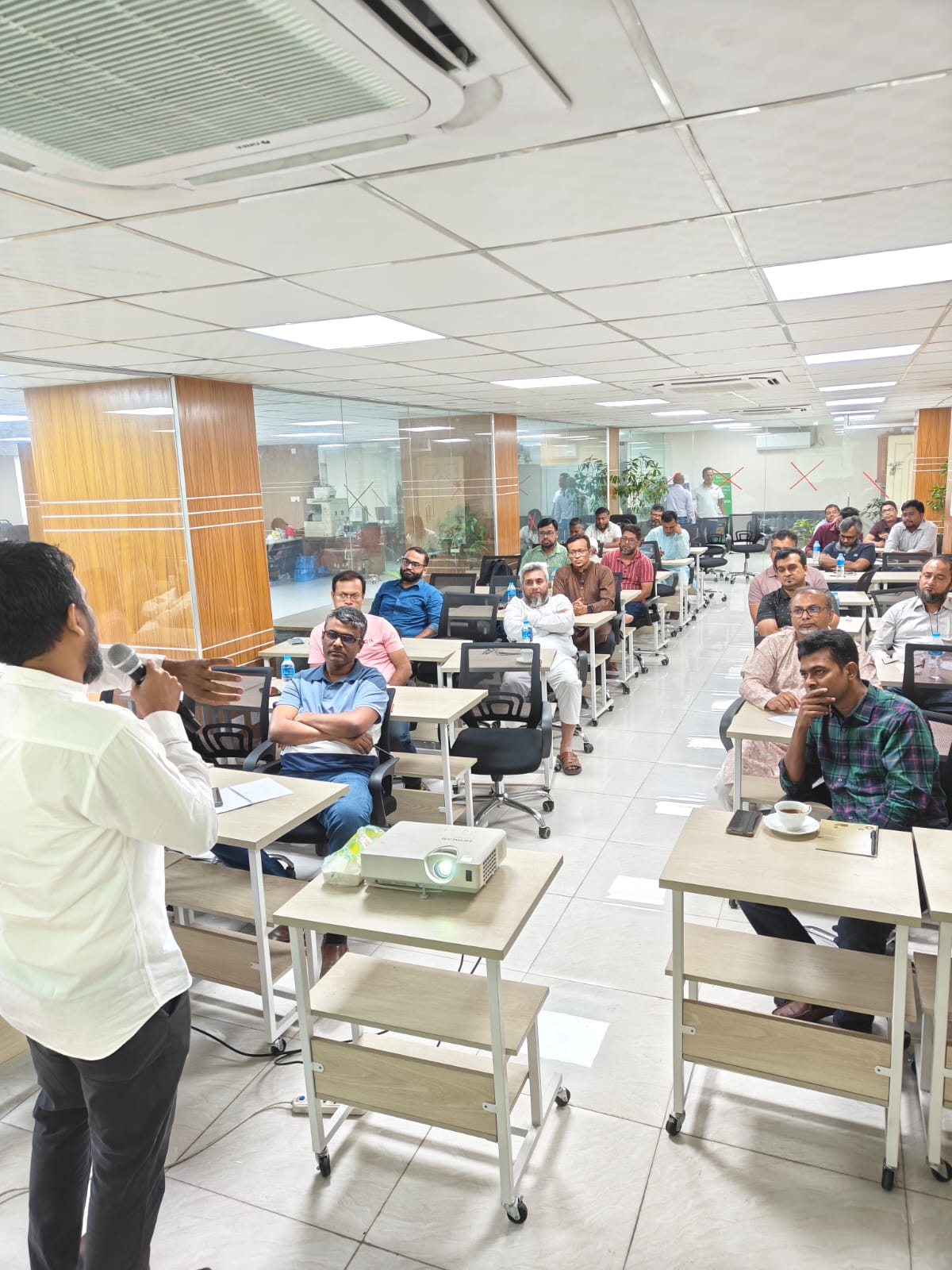
Alin Boby, head of IT Security at Janata Bank PLC, talked about “HNDL: emerging security threats,” a new cybersecurity issue. He said, Harvest Now, Decrypt Later (HNDL) is gaining global attention.” This tactic involves intercepting and saving encrypted data now to decrypt it later, using quantum computing. Current encryption methods are safe from classical computers, but Q-Day, when quantum algorithms like Shor’s can crack RSA, ECC, and Diffie-Hellman, could put decades of sensitive data at risk.
Countries like China, Russia, the US, UK, Iran, and North Korea, along with organized crime groups, are already involved in HNDL activities. Their targets include TLS/VPN traffic, cloud storage, backups, emails, and code-signing systems. Industries at highest risk are finance, healthcare, government/defense, and corporate IP, where long-term confidentiality matters.
Experts warn that the convergence of quantum decryption and AI will create a “perfect storm” for cybersecurity, enabling more advanced spear phishing, ransomware, and disinformation attacks. The long-term impacts include severe legal, financial, and reputational damage, often striking years after the initial data theft.
To reduce these risks, organizations should consider using Post-Quantum Cryptography (PQC), combine encryption methods, improve key management practices, protect backups with quantum-safe algorithms, and exchange threat information across industries. As experts stress: prepare today, or pay tomorrow — quantum decryption waits for no one.
SafeLine: A Free Zero Trust Web Application Firewall for 2026
.