 InfoSecBulletin Cybersecurity for mankind
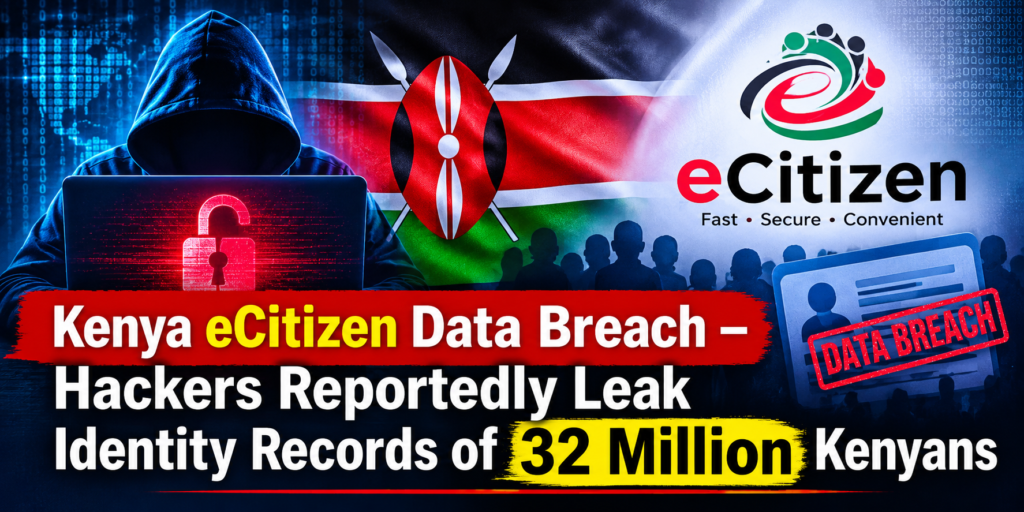
Hackers are said to be sharing identity records from Kenya’s eCitizen site on the dark web. A review of the leaked eCitizen files showed that the attackers got data on 32,128,394 Kenyans. This number shows the extent of access that occurred. It does not mean all records have been shared, and Kenyan officials have not verified this total.
The State Department for Immigration and Citizen Services acknowledged reports of unauthorized access on November 24 and said it was investigating. Officials said eCitizen remained online.
Hackers Reportedly Leak Kenya eCitizen 32 Million Records
Daily Security Update: Cyberattacks Target US Air Force, Asian Military, SAP, AFP Critical IT Systems

Hackers Reportedly Breach US Air Force’s Flagship Cloud Computing Platform

Operation "RedOps"
Hacker breach Gov.t, military network across Asia, 19 GB data stolen, Recon 30 orgs

Hacked 1Password: customer data and source code taken in GitHub breach
2 billion credentials exposed, including email, login, passwords
Cyberattack hit FIFA: hacker claims access to 12GB of data

Daily Security Update: The Latest Global Cyber Threats, Attacks & Data Breaches
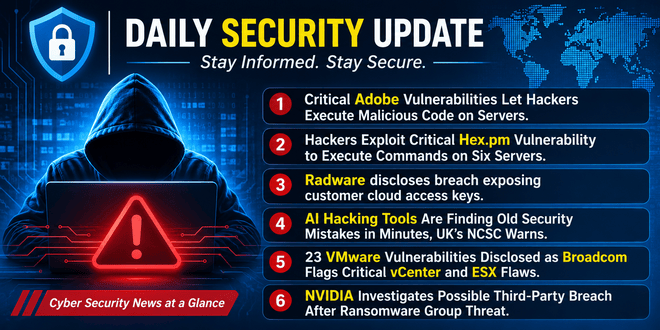
Reuters Exclusive
Alice Huang-linked firms listed $270 million in AI servers in China

US CIA, ODNI cybersecurity incident exposed some unclassified data: NYT
Kenyans use the site to get passports and driving licenses, register businesses, and pay for government services. Just because it is still running does not mean someone hasn’t copied records without affecting those services.
Kenya eCitizen Data Breach
The records looked at by Nation included ID numbers, passport copies, birth dates, fingerprints, and Kenya Revenue Authority PINs.
The files may have had digital health ID numbers from the Social Health Authority. These numbers are for identifying people in the health system, but just finding them in the files doesn’t mean medical records were taken.
A threat actor using the name ByteToBreach claimed to have stolen about 740 GB, including 600 GB of identity documents, 100 GB of database content and 40 GB of source code. Reporting on Kenya’s investigation into the 740 GB claim distinguished the attacker’s figures from what officials had verified. The full volume of stolen data and how the attacker gained access remain unconfirmed.
ByteToBreach said they could access systems that allow one account for signing into government services. This claim is different from the reported exposure of identity records. Investigators must find out if the attacker only accessed files from eCitizen or if they also entered systems that control sign-ins.
Cyber Security News talks about government network breaks in Southeast Asia to show why investigators check other systems. In Kenya, Nation said there was no proof that the Social Health Authority, Directorate of Criminal Investigations, or National Police Service had been hacked.
A person who knows someone’s ID number or birthday is not always from the government. Scammers can use these details to create fake payment alerts or account warnings that seem true.
Cyber Security News talked about scams where people pretend to be from the government. These scams use messages to trick you. Kenya’s Interior Ministry told people to change their eCitizen passwords and be careful of strange calls, texts, and emails. Visit the portal directly instead of clicking message links, and don’t share your verification code or M-PESA PIN.
A password change can’t fix the risk of an identity document being exposed. A copied passport or fingerprint can still help scammers even after a login is safe.
Kenya’s Data Protection Act requires a data controller to notify the Data Commissioner within 72 hours of becoming aware of unauthorized access that poses a real risk of harm.
Related topic:
Kenya hit by 1.2 billion cyber threats in 3 months
Hacker breach Gov.t, military network across Asia, 19 GB data stolen, Recon 30 orgs