 InfoSecBulletin Cybersecurity for mankind
Security researcher Jeremiah Fowler, known for uncovering unencrypted databases, found a database that had about 2 billion records. This included email addresses, usernames, passwords, cookies, session tokens, and device details. The database was reportedly open without a password or encryption, which could reveal sensitive information from various malware sources.
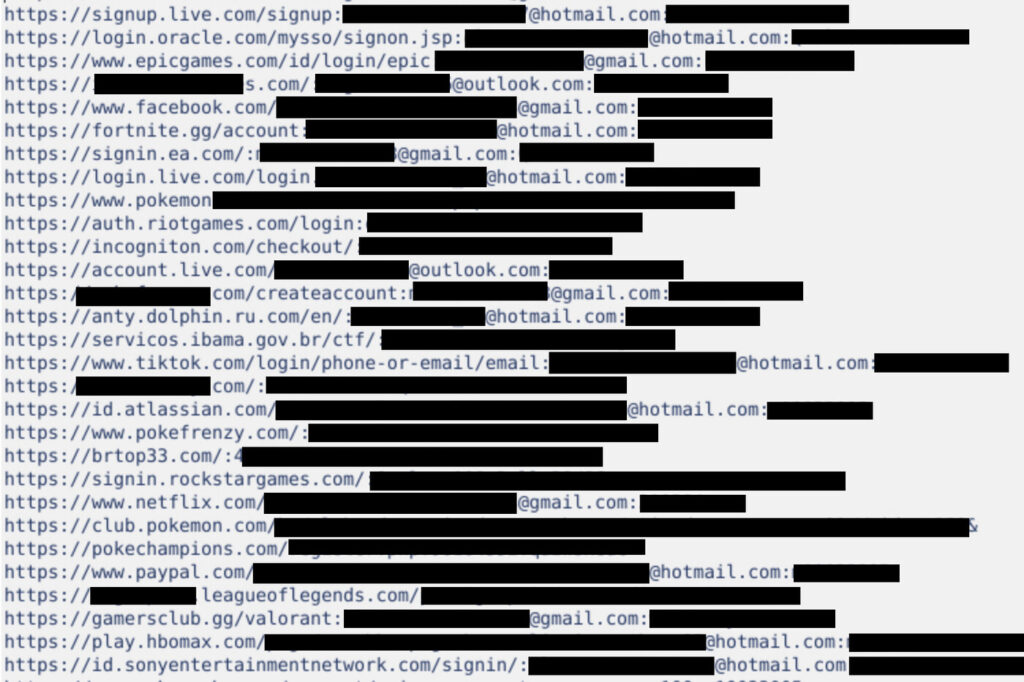
According to the researcher, the database had about 8,471 folders with plain-text usernames and passwords. Nearly 400,000 documents appeared to come from the Infostealer malware, holding detailed info about individual victims, such as browser data, app passwords, login details, system info, and clipboard records.
Hacked 1Password: customer data and source code taken in GitHub breach
2 billion credentials exposed, including email, login, passwords
Cyberattack hit FIFA: hacker claims access to 12GB of data
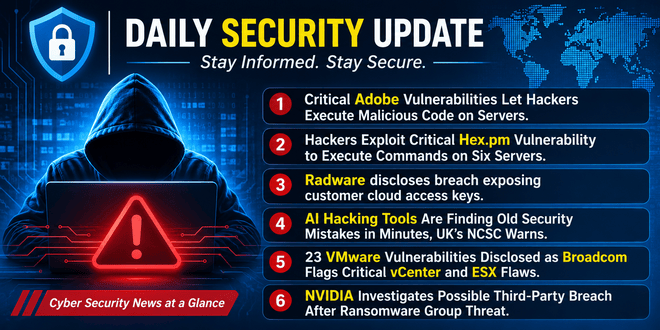
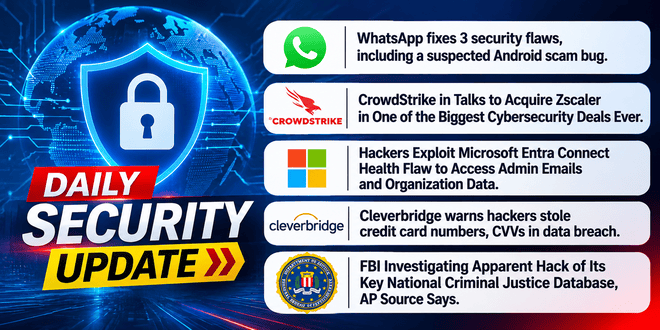
Daily Security Update: The Latest Global Cyber Threats, Attacks & Data Breaches
Reuters Exclusive
Alice Huang-linked firms listed $270 million in AI servers in China

US CIA, ODNI cybersecurity incident exposed some unclassified data: NYT
Daily Cyber security update for 24.11. 2026
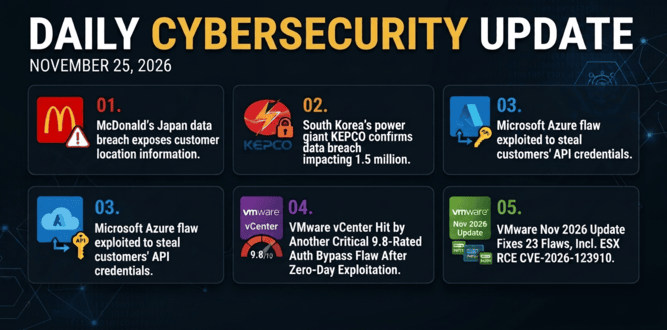
GreyNoise blog post
Hackers compromise Check Point servers in 22 orgs across 17 countries
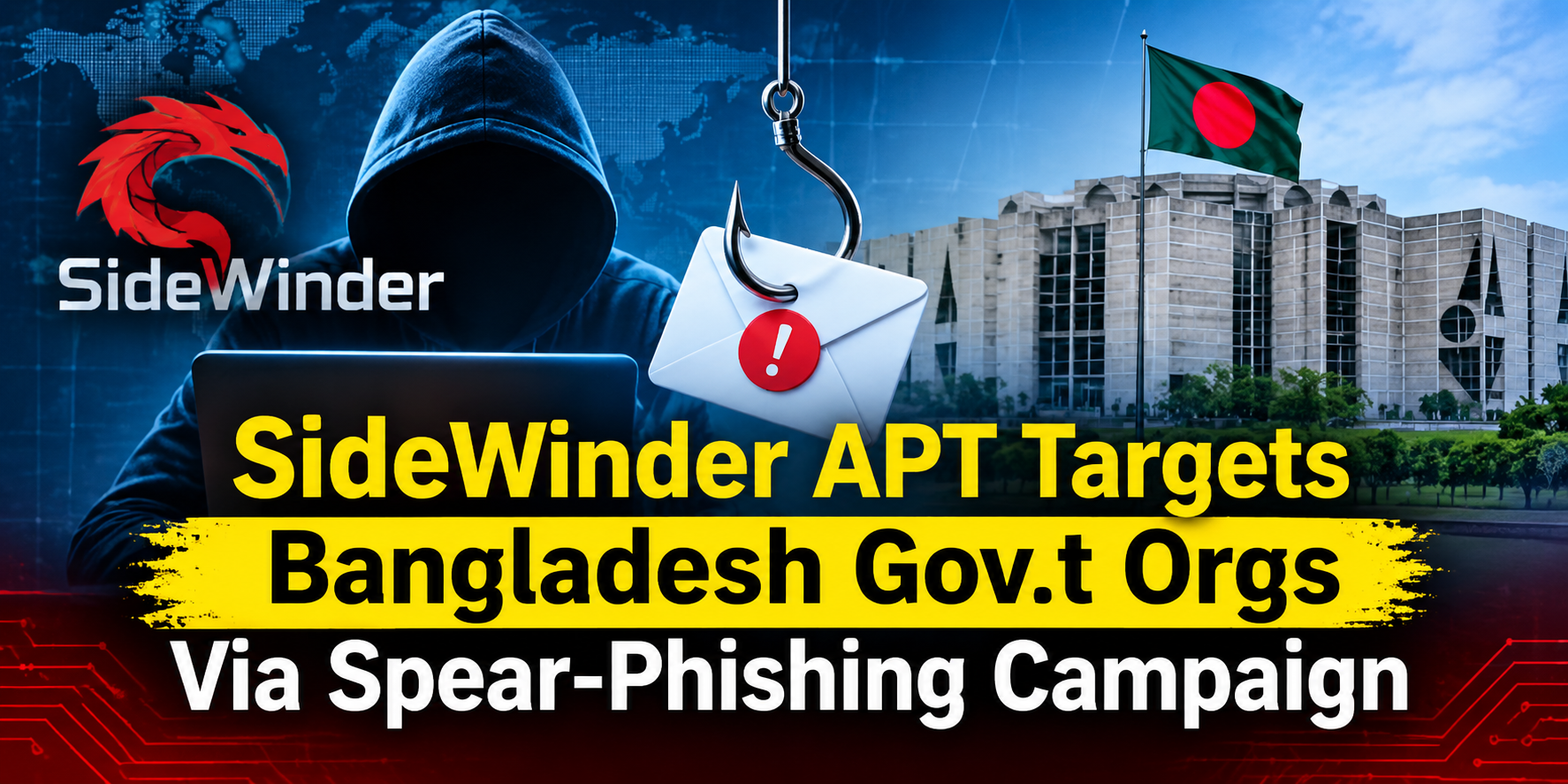
SideWinder APT Targets Bangladesh Gov.t Orgs Via Spear-Phishing Campaign
Daily Cyber security update for 23.11. 2026
The exposed collection had many Tor (.onion) account details linked to dark web services. Still, we don’t know who owns it, runs it, or what it was for. Investigators couldn’t determine whether it was run by cybercriminals, sellers of credentials, threat intelligence groups, or security researchers.
The size of this leak is much bigger than the last one that involved 149 million login details. But the 2 billion records don’t mean there are 2 billion different victims, since the data might include duplicates, old, or already known credentials.
Security experts say that infostealer malware is a big danger because it can gather more than just usernames and passwords. Stolen browser cookies and session tokens might let attackers get into accounts without needing passwords. If email and company credentials are compromised, it can lead to more account hacks, financial fraud, identity theft, and breaches in organizations.
The researcher reported the exposure to the hosting provider, which subsequently restricted public access several days later. The researcher stated that the exposed files were not downloaded and that only limited queries were conducted to estimate the dataset’s scope.
Users should update their operating systems and apps, use trusted security software, avoid risky downloads and browser add-ons, and turn on multi-factor authentication (MFA). If someone thinks their device has an infostealer infection, they should clean or reset it before changing their passwords. Change passwords and log out of sessions from a safe, unaffected device.
The findings show the rising dangers linked to infostealer malware and the big collection, gathering, and revealing of stolen login details.
Related news: