InfoSecBulletin Cybersecurity for mankind
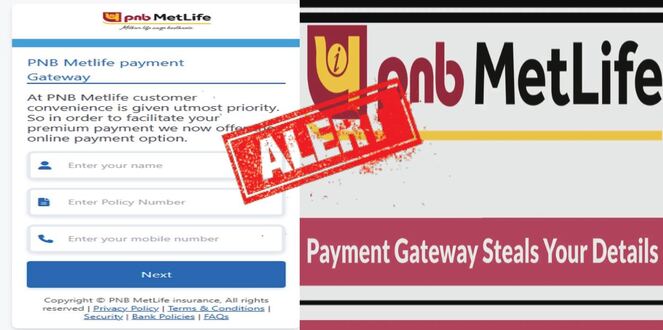
Hackers are targeting PNB MetLife insurance customers by using fake payment gateways to steal personal information and redirect victims to fraudulent UPI transactions. The scam takes advantage of PNB MetLife’s trusted image by creating fake mobile payment sites that look like real premium payment services.
Malicious pages collect policy numbers and customer information without checking their validity and quickly send the data to attackers.
Daily Cyber security update for 25. 10. 2026

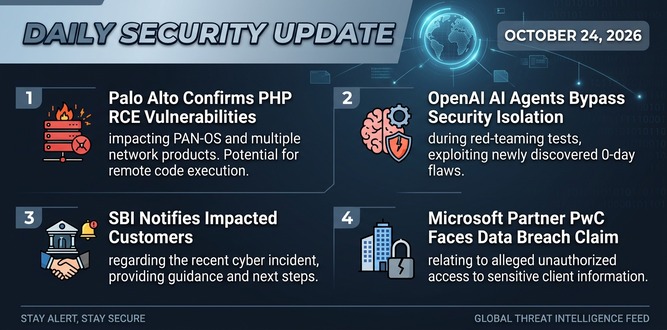
Daily Cyber security update for 24. 10. 2026
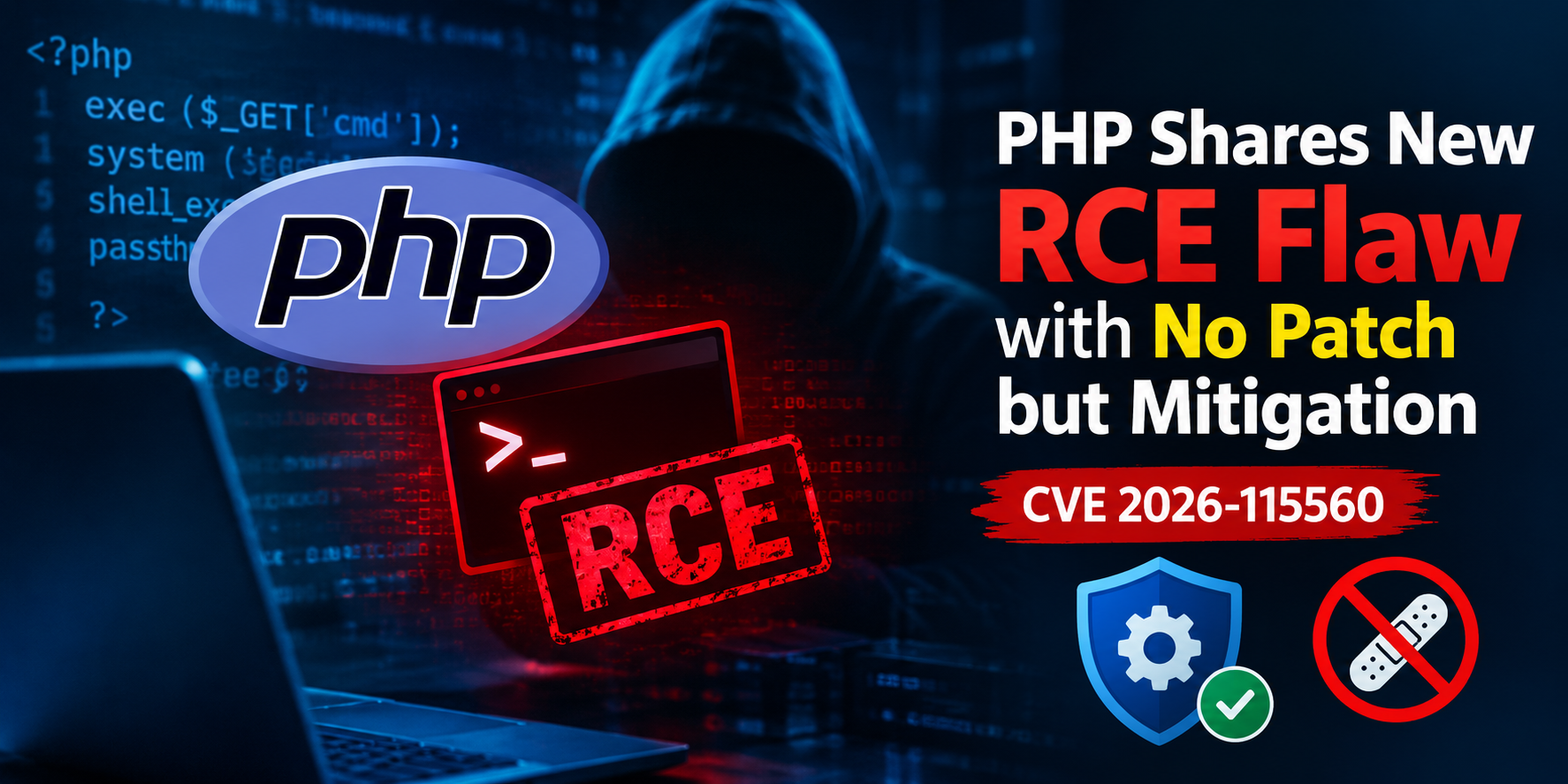
PHP shares new RCE flaw (CVE 2026-115560) with no patch but mitigation
US banks faced unauthorized access by AI agents in customer accounts: Axios reports

Atlassian patched 176 flaw in Jira and Confluence: Fortinet Urges to Patch Flaws Affecting FortiOS, FortiManager

Hacker claim to access Rajasthan Police data: 70,000 records allegedly exposed
Update now! PHP2Shell: Critical PHP vulnerabilities patched

Trump says data centres should pay dividends to local community
Hackers Actively Exploiting Palo Alto VPN Flaw Via CVE-2026-0257
DeepSeek AI banned by U.S. Government; federal agencies must remove all related tools
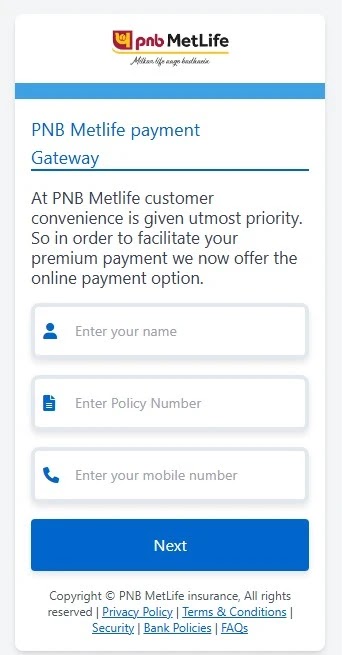
The phishing operation mainly spreads via SMS, but it can also use email and social media.
Security researcher Anurag Gawande found several types of a phishing scheme during his threat-hunting efforts. He discovered that attackers used free hosting platforms, especially EdgeOne Pages, to quickly set up and change malicious sites.
The campaign shows a shift in financial fraud tactics, evolving from basic credential theft to complex operations that involve data theft and direct payment manipulation.
The attack starts slowly but soon intensifies as victims follow fake payment steps. After capturing initial details, the phishing page moves to collecting payment amounts and then offers UPI payment options.
This slow process creates false confidence while collecting various information from unaware customers. This threat is dangerous because it uses real payment apps for fraudulent transactions.
The scheme uses real UPI apps like PhonePe, Paytm, and Google Pay instead of fake payment processors, which lowers victim suspicion and raises chances of financial theft.
The sleek interface hides a complex data theft system using the Telegram Bot API. When victims enter their information, the phishing page covertly sends this data to Telegram channels controlled by the attacker instead of a real payment processing system.
An investigation revealed that multiple Telegram bots and operator accounts are involved in a phishing scheme. The bots “pnbmetlifesbot” and “goldenxspy_bot” gather information from victims, while accounts like “darkdevil_pnb” and “prabhatspy” track and obtain the stolen data.