InfoSecBulletin Cybersecurity for mankind
On a report titled “Surge on Web defacement and web application related vulnerabilities targeting Bangladesh” BGD e-GOV CIRT said, web defacement attacks and the exploitation of web application vulnerabilities are a growing trend in Bangladesh.
These weaknesses can be used for phishing attacks, spreading malware, and creating backdoors for continuous access, further endangering the security of the affected websites. Websites and applications use environment or configuration files to manage content and specify data locations. Alterations to these files can indicate a security breach or defacement attack. 73% of all identified web vulnerabilities are found in websites and IoT devices accessed through basic HTTP authentication.
Daily Cyber security update for 24. 10. 2026
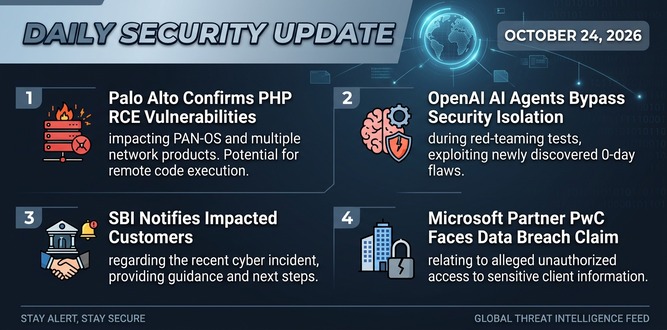
PHP shares new RCE flaw (CVE 2026-115560) with no patch but mitigation

US banks faced unauthorized access by AI agents in customer accounts: Axios reports

Atlassian patched 176 flaw in Jira and Confluence: Fortinet Urges to Patch Flaws Affecting FortiOS, FortiManager

Hacker claim to access Rajasthan Police data: 70,000 records allegedly exposed

Update now! PHP2Shell: Critical PHP vulnerabilities patched

Trump says data centres should pay dividends to local community

Hackers Actively Exploiting Palo Alto VPN Flaw Via CVE-2026-0257

DeepSeek AI banned by U.S. Government; federal agencies must remove all related tools

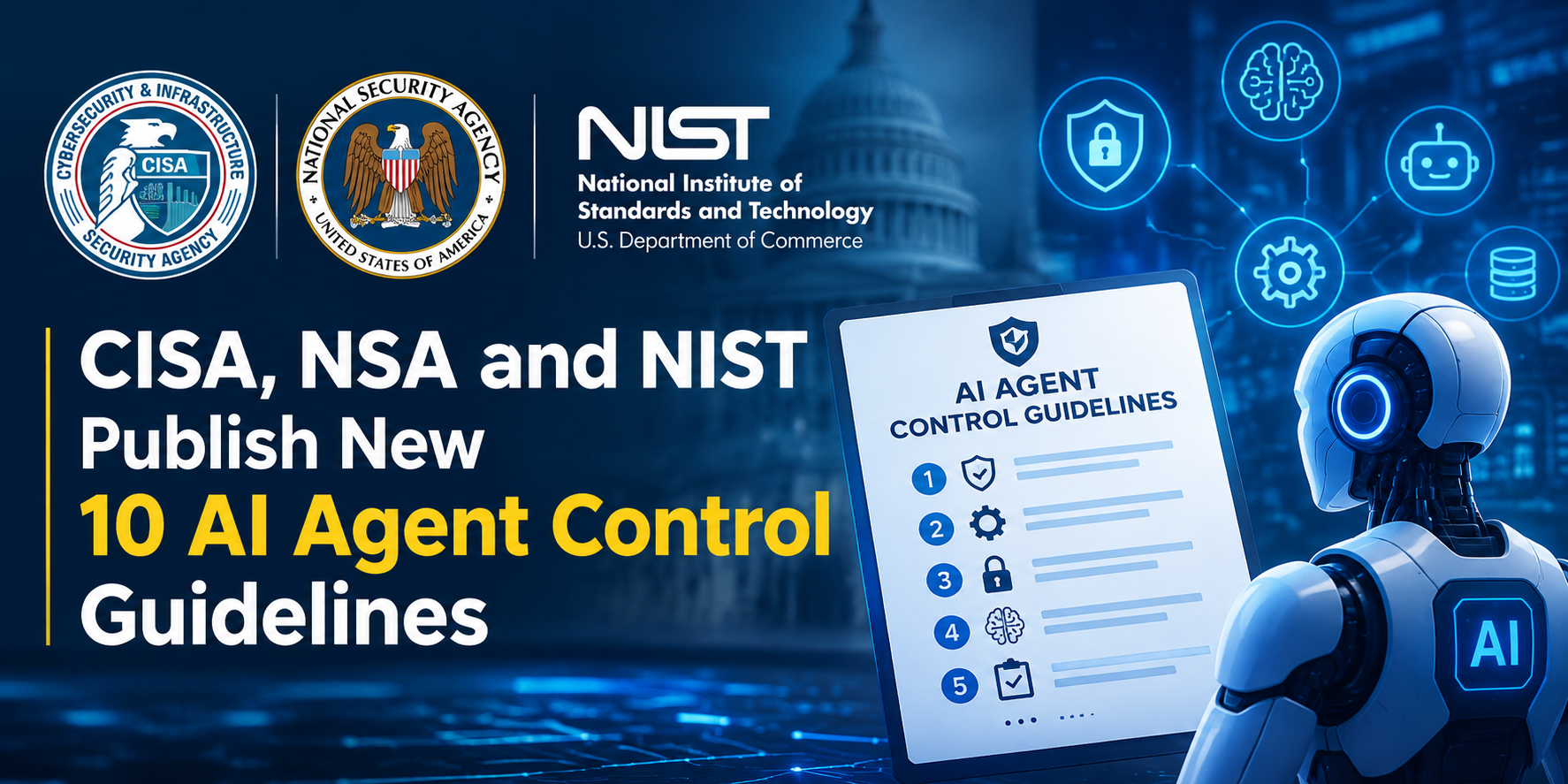
CISA, NSA and NIST Publish New 10 AI Agent Control Guidelines
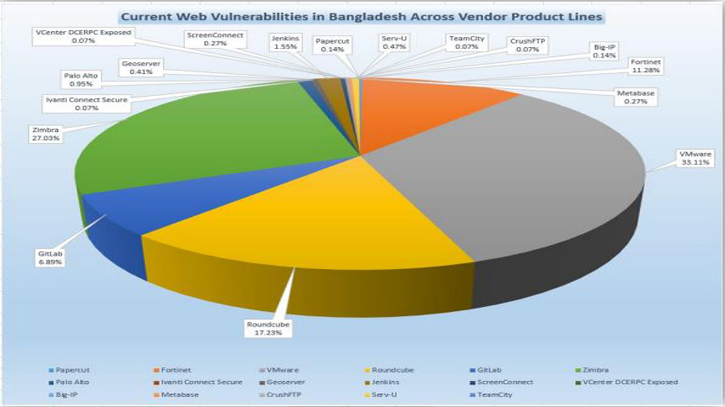
CIRT report highlighted the web vulnerabilities associated it assets/products used by Bangladeshi organizations. In the report CIRT mentioned numerous worlds’ renowned vendors names and CVE’s related to their products and the severity.
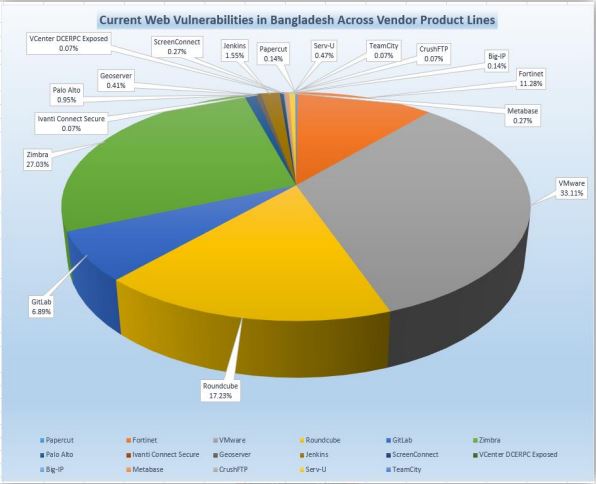
According to CIRT report, VMware CVE’s (33.11%) mostly affect Bangladeshi organization. Zimbra is in the 2nd position with 27.03% CVE’s and Roundcube with 17.23 % CVE’s is in 3rd position in the chart.
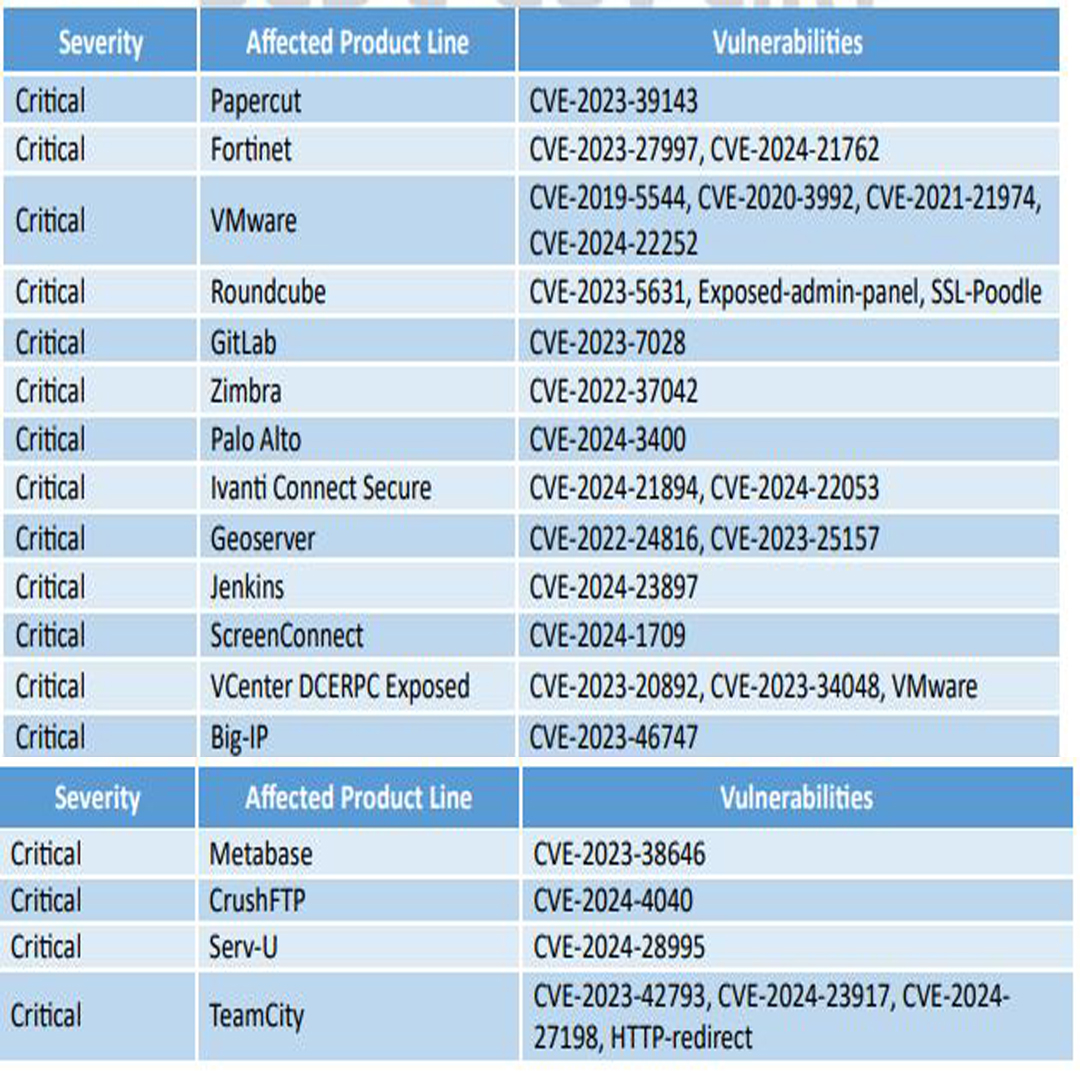
CIRT said for some common causes such incident happened including outdated software, weak credentials, poor configuration, lack of security updates and insecure code.
According to CIRT, hackers attack such sites using remote file inclusion (RFI), SQL injection, cross-site scripting, (XSS), Brute force attack and expiating vulnerable software.
CIRT mentioned some effective remediation strategies to mitigate these vulnerabilities, including Parameterized Queries and ORM (SQL Injection), Input Validation and Sanitization, Output Encoding (XSS), Content Security Policy (CSP) (XSS), Patch Management, Web Server Configuration and to Follow OWASP Guidelines. Implementing these strategies can significantly enhance web security and protect against defacement attacks.