InfoSecBulletin Cybersecurity for mankind
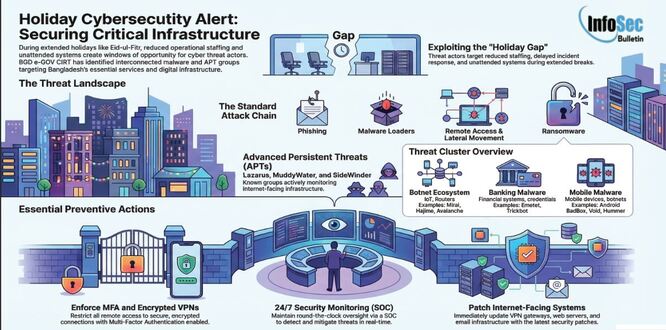
Bangladesh is preparing for a nationwide Eid holiday; on the contrary a different kind of “celebration” is occurring in the dark corners of the web. While most professionals are logging off for a well-deserved break, automated scripts are just getting started, scanning for “digital silence.”
According to cyber security alert issued by BGD e-GOV CIRT on 15 March 2026, the long holiday creates a “perfect storm” for IT and cyber security departments: a combination of unattended systems, reduced operational staffing, and a significant lag in incident response times.
Cloudflare Unveils Emergency WAF Ruleset Update on Brotli flaw

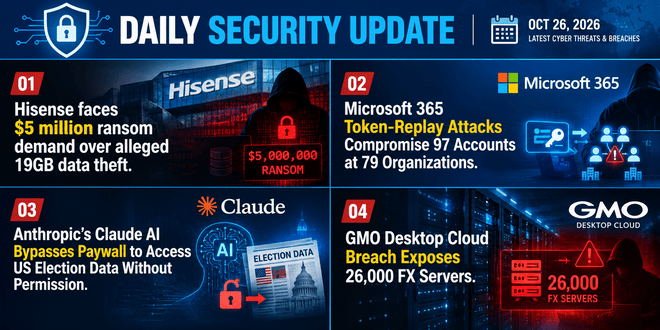
Daily Cyber security update for 26.10. 2026
The Washington Post report
Ex-DOGE AI startup Cathedral Breaches Anthropic Internal Systems within 12 Hours

Daily Cyber security update for 25. 10. 2026

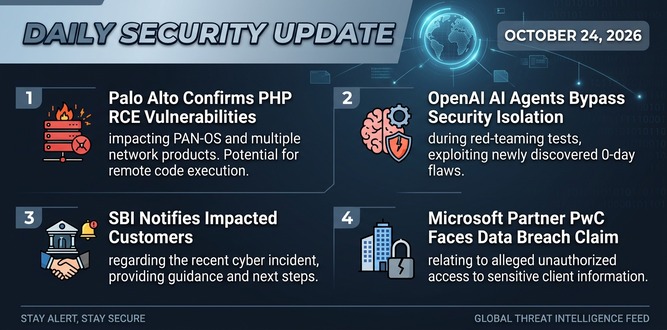
Daily Cyber security update for 24. 10. 2026
PHP shares new RCE flaw (CVE 2026-115560) with no patch but mitigation

US banks faced unauthorized access by AI agents in customer accounts: Axios reports

Atlassian patched 176 flaw in Jira and Confluence: Fortinet Urges to Patch Flaws Affecting FortiOS, FortiManager

Hacker claim to access Rajasthan Police data: 70,000 records allegedly exposed
Update now! PHP2Shell: Critical PHP vulnerabilities patched

The “Greeting Card” Trap (Phishing Evolution)
One of the most insidious methods utilized by threat actors is the weaponization of cultural norms. During festive seasons, our collective psychological guard drops. We expect outreach from friends, family, and colleagues, which creates an opening for “Initial Access Brokers” to exploit.
Cybercriminals disguise credential harvesting attempts as routine holiday communications, banking on the fact that an exhausted employee checking their phone between festivities is less likely to inspect a URL.
“Attackers may distribute phishing emails disguised as: Holiday greetings, Financial notifications, Government announcements, HR or payroll updates.”
This isn’t just about a stolen password; it is the first link in a chain designed to transform a simple celebratory message into a gateway for total network compromise.
The Sophisticated “Chain Reaction” of Ransomware
Modern cyberattacks are rarely spontaneous events; they are calculated, multi-stage operations. Intelligence indicates that sophisticated groups deploy malware to establish a “Persistent Foothold” long before the final payload is delivered.
CIRT said, the typical attack chain follows a lethal progression: Phishing Email → Malware Loader → Remote Access → Lateral Movement → Ransomware Deployment.
The stage of Lateral Movement is where the real damage occurs. This is the phase where an attacker moves beyond a single compromised workstation to find the “crown jewels”—the banking databases, government records, or sensitive CII files. By the time the ransomware is finally activated and files are encrypted, the intruder may have been living in the network for weeks, mapping out your vulnerabilities while the office was empty.
IoT and Mobile Devices are the New Front Line
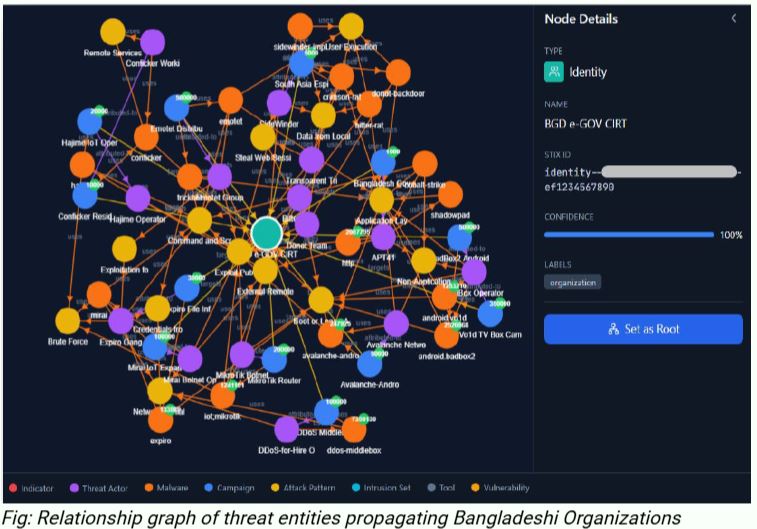
The 15 March alert highlights a massive “Botnet Ecosystem” including notorious families such as Mirai, MikroTik, Avalanche Network, and Hajime. However, a critical development in this landscape is the rise of Android Malware and Mobile Botnets, specifically Android BadBox, Android Void, and Android Hummer.
There is a biting irony here: the very devices that power our connected lives—our smartphones and office routers—are being turned into weapons against our national digital infrastructure. These botnets are used to orchestrate Distributed Denial-of-Service (DDoS) attacks targeting:
• Online banking systems and payment gateways
• Government portals and telecom service
The Invisibility of APT Clusters
Beyond the typical opportunistic hacker, Bangladesh’s digital ecosystem is being actively monitored by Advanced Persistent Threat (APT) clusters including Lazarus, MuddyWater, SideWinder, Transparent Tribe, Patchwork, Bitter APT, and the Donot Team.
These are not amateur operations; these are entities with high-level “multi-stage attack capability.” They specifically target Critical Information Infrastructure (CII), scanning for unpatched internet-facing services such as VPN gateways, web servers, and misconfigured cloud infrastructure. They strike when they know human oversight is at its lowest, ensuring their infiltration remains invisible for as long as possible.
The “Zero-Downtime” Defense Strategy
To counter these threats organizations must adopt a zero-downtime mentality toward defense, moving from reactive patching to proactive Attack Surface Management. The following measures are strategic necessities:
• 24/7 Proactive Monitoring: Maintain round-the-clock surveillance through a Security Operations Center (SOC) using SIEM, WAF, and endpoint protection to detect anomalies in real-time.
• Hardened Access Controls: Mandate Multi-Factor Authentication (MFA) for all remote access and secure every VPN gateway.
• Aggressive Lifecycle Management: Ensure all systems are patched and, more importantly, phase out unsupported or end-of-life (EOL) software that can no longer be defended.
• Data Resilience and Redundancy: Maintain secure, offline backups and test your restoration procedures. A backup is only as good as your last successful test.
• Account Hygiene: Review and disable dormant or inactive accounts and temporarily restrict non-essential system access for the duration of the holiday.
A Security Mindset for the Future
The alert issued on 15 March 2026 is a stark reminder that digital convenience requires constant, proactive vigilance. CIRT recommended If any organization identifies any Indicators of Compromise (IOCs) or suspicious activity, report it immediately to the BGD e-GOV CIRT at: [email protected] or [email protected]