InfoSecBulletin Cybersecurity for mankind

The latest campaign marks a serious increase in threats, as cybercriminals have breached the official Google Play Store to distribute malware disguised as real apps. Security researchers have revealed that the malware has surpassed 50,000 downloads prior to its detection and subsequent removal.
Anatsa, or TeaBot, is a sophisticated banking trojan that has been under surveillance by cybersecurity experts since 2020. Researchers at ThreatFabric label the Anatsa group as a leading force in mobile crimeware, highlighting their high success rates in various campaigns. The Anatsa campaign uses a strategic multi-stage method to avoid detection.
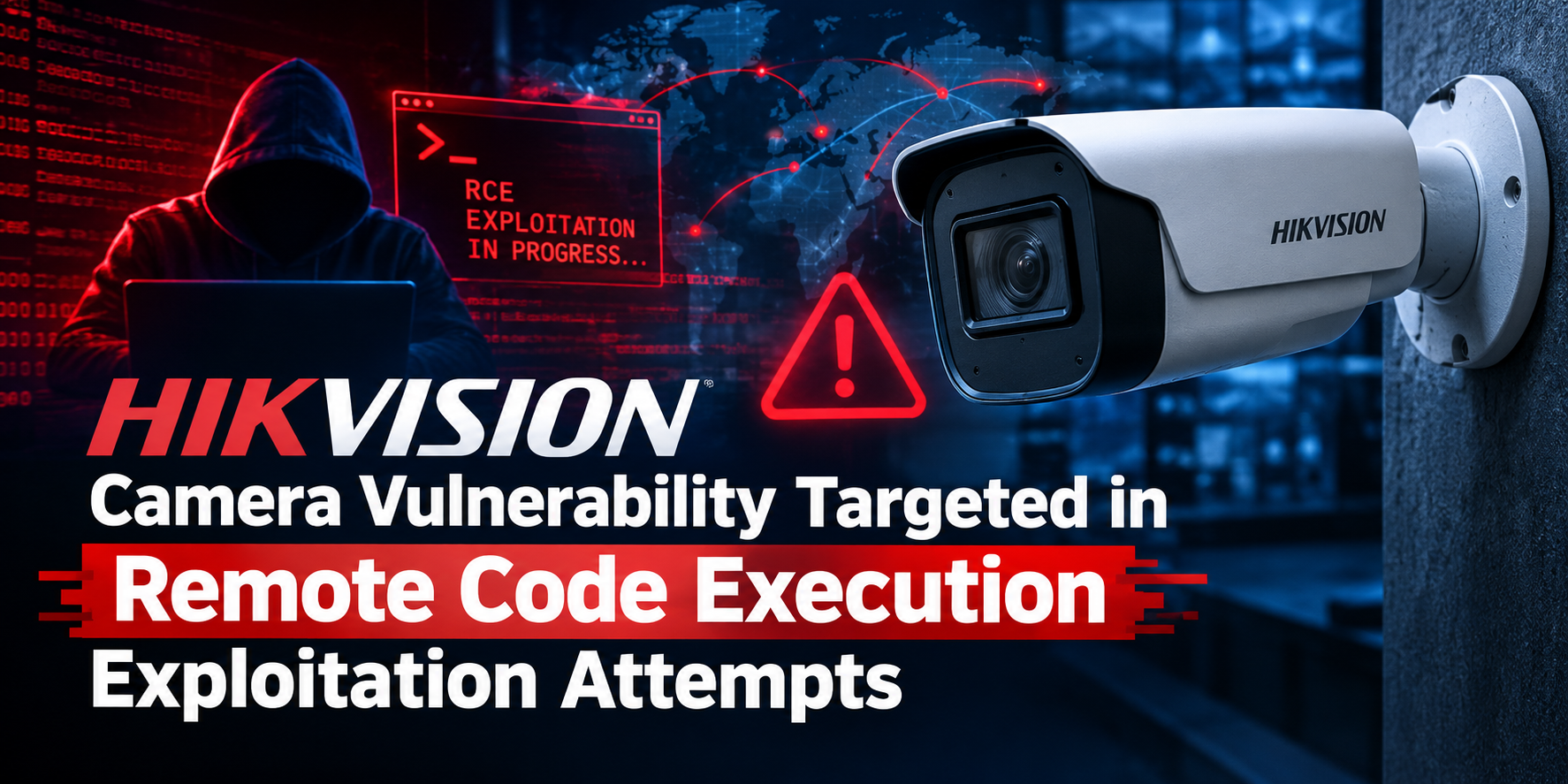
Rise on RCE Exploits Targeting Hikvision Camera Flaw
FortiBleed Attack Compromised 80,000+ Devices, SonicWall Patches 4 SMA1000 Flaws CVSS 10

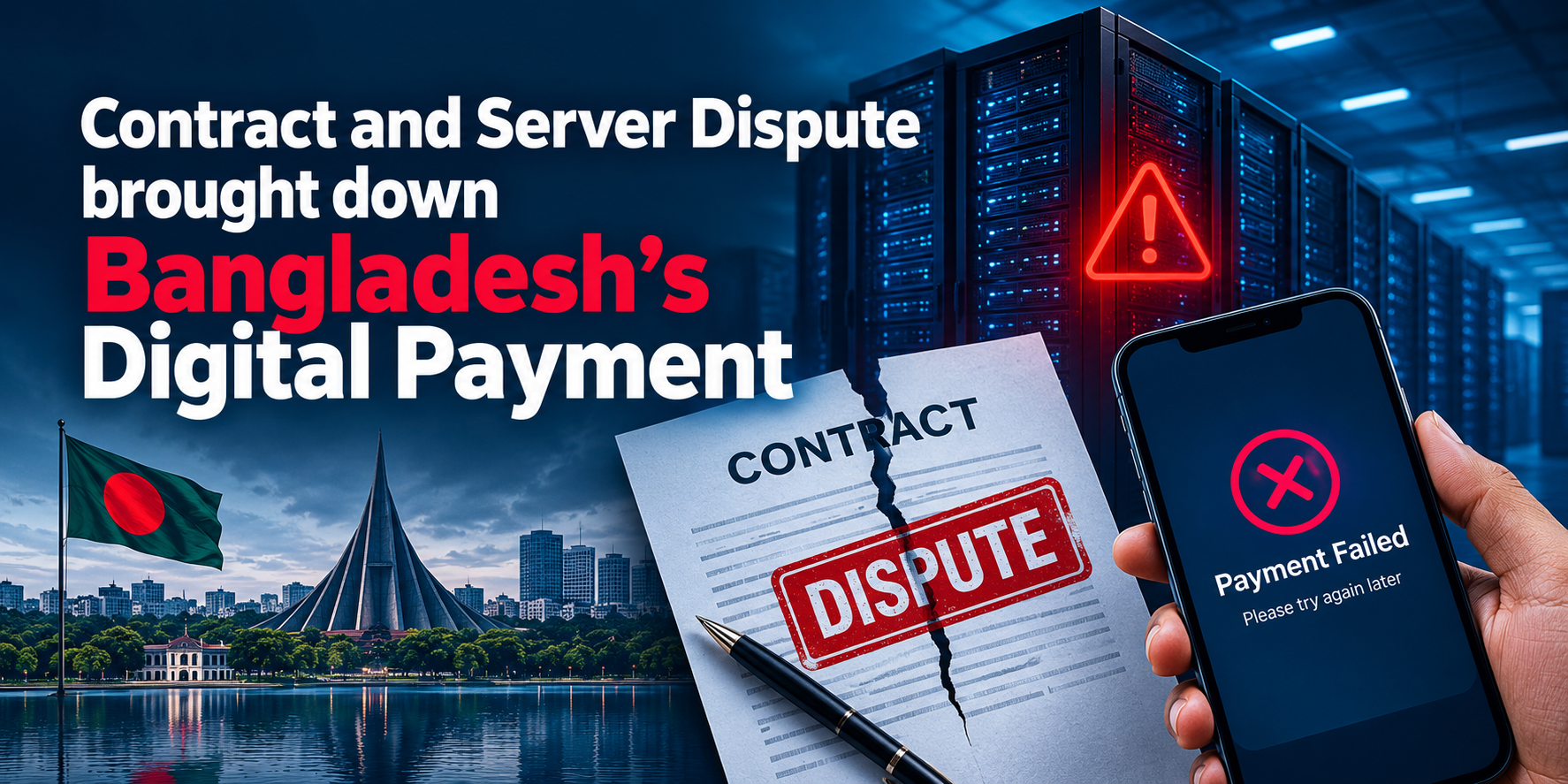
Contract and server dispute brought down Bangladesh’s digital payment
Critical Atlassian & IBM Flaws Expose Files and Enable Remote Code Execution

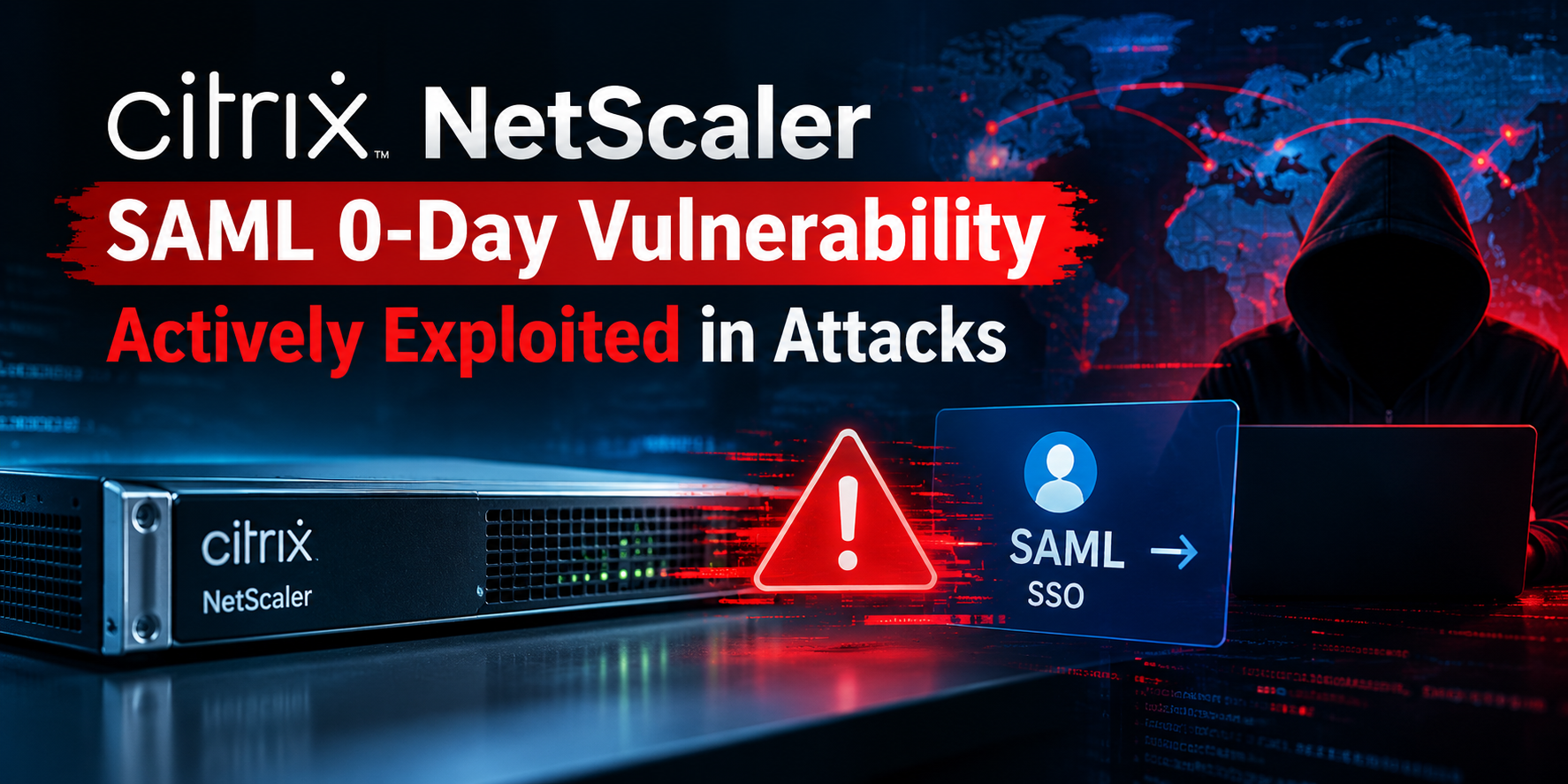
Citrix NetScaler SAML 0-Day Flaw Under Attack
Major Danish university breached, 200,000 users at risk

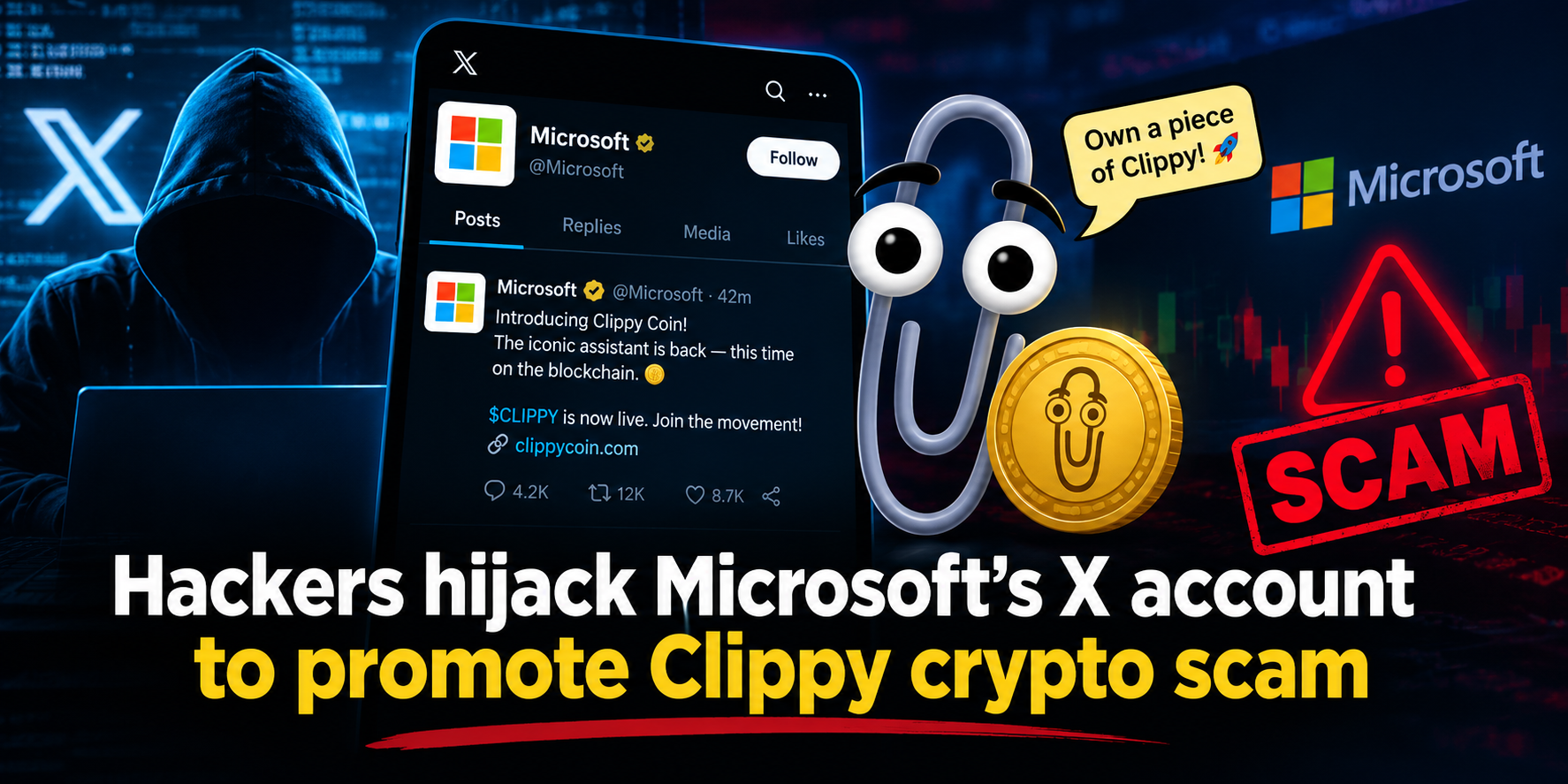
Microsoft’s X account hijacked to promote Clippy crypto scam
Critical cPanel, GitLab AI Gateway and Dell CSM Flaws Enable RCE And Admin Hijacking

Nearly 100,000 email addresses exposed in first AI-related data breach in Singapore

Hackers Exploit Zimbra Mail Servers: TeamViewer patched 5 critical flaws

Threat actors create fake developer profiles on Google Play and upload harmless-looking apps like PDF readers and phone cleaners. A harmful PDF reader app reached the top three in the US Google Play Store’s “Top Free Tools” just six weeks after its launch. Security analysis shows that Anatsa uses tricky overlay attacks against banking apps.
When victims attempt to access their mobile banking apps, the malware displays fake maintenance messages reading “Scheduled Maintenance: We are currently enhancing our services and will have everything back up and running shortly. Thank you for your patience.”
The malware can now target over 650 banks worldwide, especially in North America, including JP Morgan, Capital One, TD Bank, and Schwab. The brief distribution from June 24-30 shows how operators effectively cause damage while reducing their risk of detection.
Cybersecurity experts are warning financial institutions to promptly inform customers about the dangers of downloading apps from any source, even official app stores.