 InfoSecBulletin Cybersecurity for mankind

Threat actors have already compromised more than 270 Zimbra instances in attacks that let them run code remotely. These attacks focus on a serious flaw in the Zimbra Collaboration Suite (ZCS).
Synacor fixed the security flaw (called CVE-2026-73570). This flaw lets attackers run code from far away by using a command injection issue in the SNMP monitoring part when SNMP alerts are on. This fix came with ZCS version 10.1.20 on July 20.
Citrix NetScaler SAML 0-Day Flaw Under Attack

Major Danish university breached, 200,000 users at risk

Microsoft’s X account hijacked to promote Clippy crypto scam

Critical cPanel, GitLab AI Gateway and Dell CSM Flaws Enable RCE And Admin Hijacking

Nearly 100,000 email addresses exposed in first AI-related data breach in Singapore

Hackers Exploit Zimbra Mail Servers: TeamViewer patched 5 critical flaws

Google Warns of Hackers Actively Exploiting Citrix 0-Day Flaws

CISA Warns Critical MikroTik RouterOS Flaw While Cisco SD-WAN Zero-Day Exploited in Attacks

Apple Zero-Day Exploited: Pentagon Data Breach Reportedly Exposes Sensitive Data of 3 Million People

JadePuffer Agentic AI targets and destroys Azure’s cloud resources

CERT Polska, the Polish Computer Emergency Response Team (CERT), first flagged the vulnerability as targeted in the wild last Monday, when it also warned security teams to check their logs for suspicious activity, including the Zimbra service restarting unexpectedly, and for files created in the /opt/zimbra/jetty/webapps/, /opt/zimbra/jetty_base/webapps/, and /tmp/ folders by user zimbra over the last 30 days.
The Cybersecurity and Infrastructure Security Agency (CISA) added the flaw to its KEV catalog after CERT Polska warned about it. They told U.S. Federal Civilian Executive Branch (FCEB) agencies to fix their systems within three days, by August 24.
On Monday, Shadowserver said it found many Zimbra systems online that have been hacked using the CVE-2026-73570 flaw.
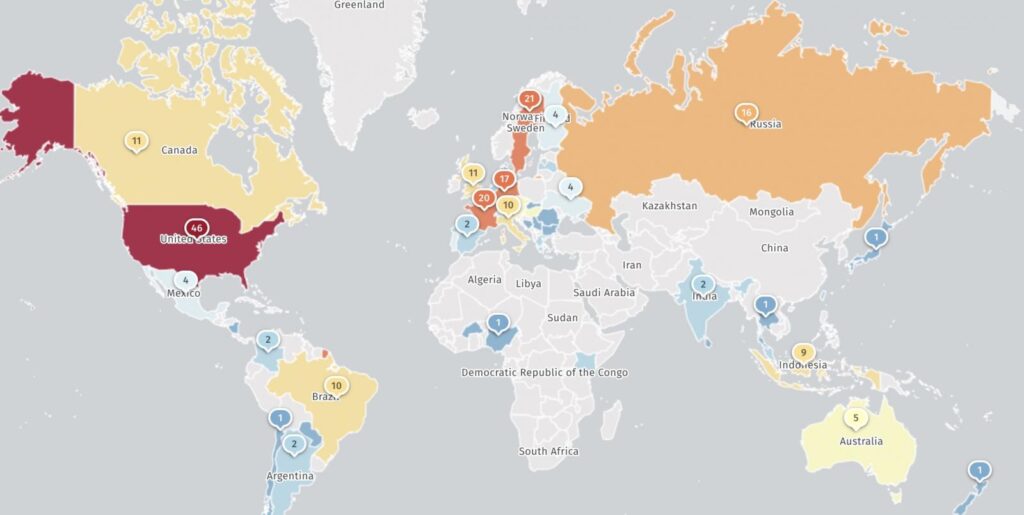
“Zimbra compromises associated with CVE-2026-73570 exploitation are spreading. 274 instances seen compromised in our scans for exploitation artifacts on 2026-08-22,” Shadowserver warned.
“We also see at least 8200 CVE-2026-73570 unpatched instances (this does not mean exploitable as the vuln is in a non default config).”
Russian Winter Vivern cyber spies also exploited a reflected Cross-Site Scripting (XSS) vulnerability to steal emails from NATO-aligned email accounts in attacks targeting Zimbra webmail portals.