 InfoSecBulletin Cybersecurity for mankind
TP-Link has given an urgent security warning about its Archer AX53 v1.0 router. There are 5 different flaws that could let hackers take over the device or steal private information. These issues affect important parts like tmpserver, dnsmasq, and OpenVPN.
The biggest threats found are OS Command Injection in the router’s communication and networking modules. These issues let an attacker who is nearby get past security and run system commands.
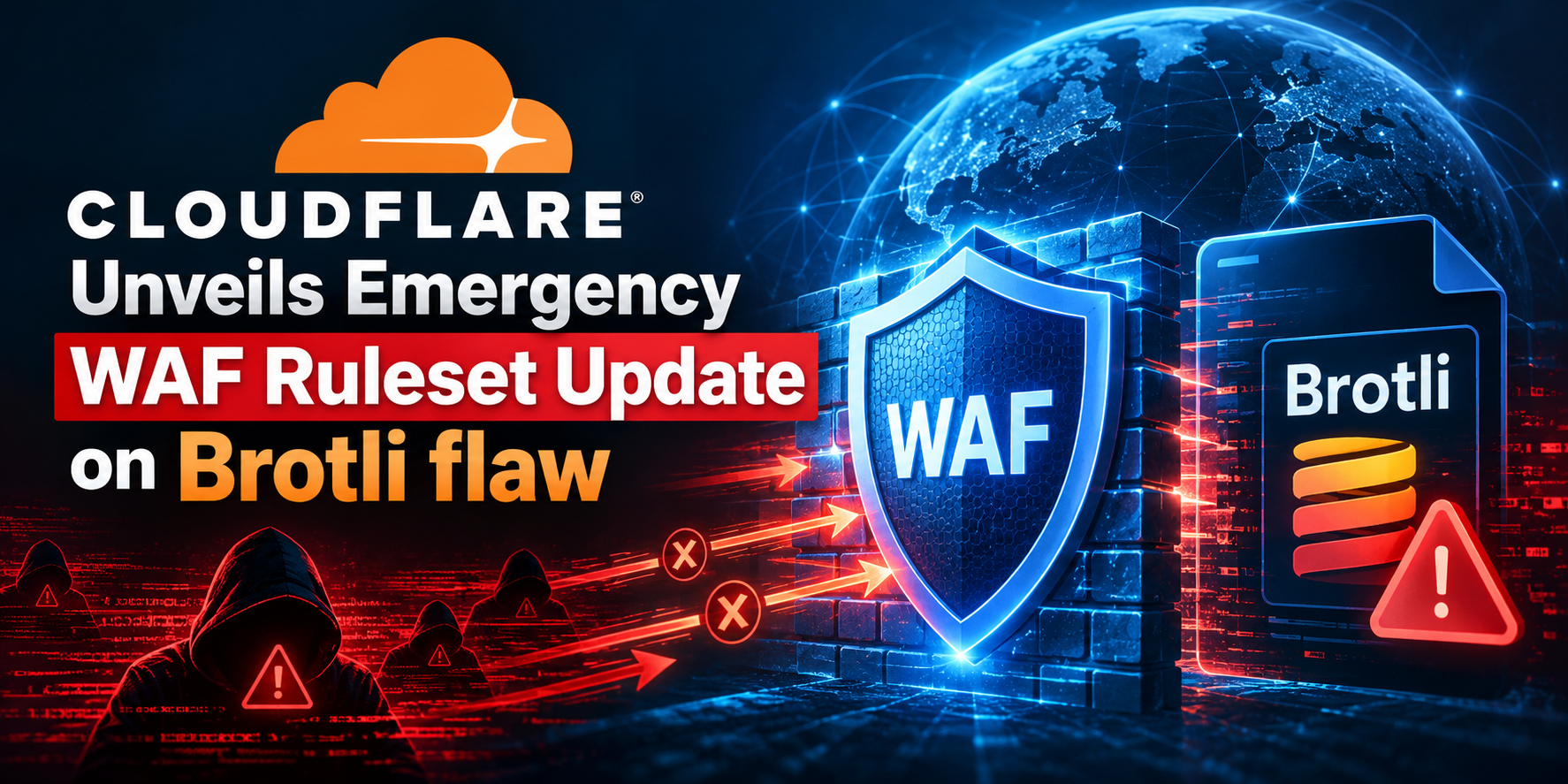
Cloudflare Unveils Emergency WAF Ruleset Update on Brotli flaw
Daily Cyber security update for 26.10. 2026

The Washington Post report
Ex-DOGE AI startup Cathedral Breaches Anthropic Internal Systems within 12 Hours

Daily Cyber security update for 25. 10. 2026

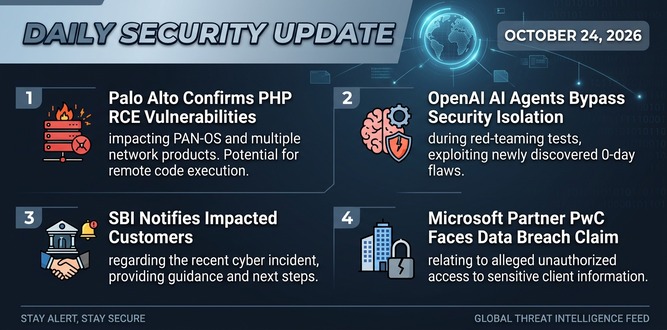
Daily Cyber security update for 24. 10. 2026
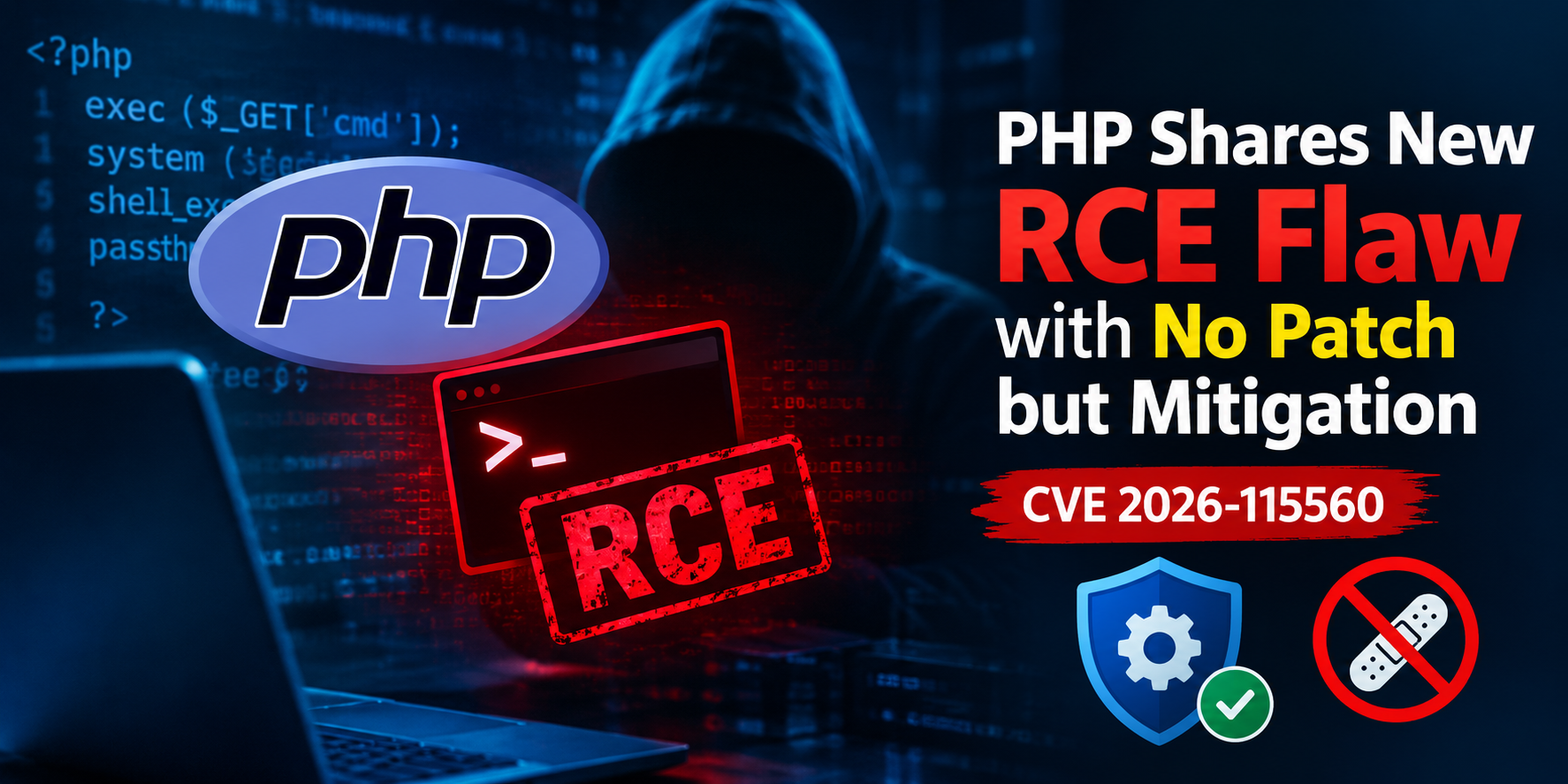
PHP shares new RCE flaw (CVE 2026-115560) with no patch but mitigation
US banks faced unauthorized access by AI agents in customer accounts: Axios reports

Atlassian patched 176 flaw in Jira and Confluence: Fortinet Urges to Patch Flaws Affecting FortiOS, FortiManager

Hacker claim to access Rajasthan Police data: 70,000 records allegedly exposed

Update now! PHP2Shell: Critical PHP vulnerabilities patched

CVE-2026-30818 (CVSS 8.5): This high-severity flaw in the dnsmasq module allows an attacker to “execute arbitrary code when a specially crafted configuration file is processed due to insufficient input validation”. Successful exploitation “may allow the attacker to modify device configuration, access sensitive information, or further compromise system integrity”.
CVE-2026-30815 (CVSS 8.5): A similar injection vulnerability exists in the OpenVPN module. Attackers can execute commands that “may allow modification of configuration files, disclosure of sensitive information, or further compromise of device integrity”.
The advisory points out a buffer overflow issue (CVE-2026-30814) in the tmpServer module, which has a CVSS score of 7.3.
A buffer overflow in this module lets an attacker nearby to cause a segmentation fault and maybe run unwanted code using a special file. If they succeed, this could change the device settings, reveal sensitive information, or harm the device’s safety.
TP-Link also fixed two issues that let someone read files on a local system (CVE-2026-30816 and CVE-2026-30817). These problems happen when a harmful configuration file is used. This type of unauthorized access “potentially exposing sensitive information” stored on the device.
The vulnerabilities are confirmed to affect the following specific hardware and software configuration:
Product Model: Archer AX53 v1.0
Affected Version: All versions prior to 1.7.1 Build 20260213
TP-Link advises users with affected devices to act quickly to protect their network and personal data.