InfoSecBulletin Cybersecurity for mankind

The list of vulnerabilities is as follows:
CISA, NSA and NIST Publish New 10 AI Agent Control Guidelines

Claude AI Cracks 25-Year NSA Cryptography Number Mystery in Just 30 Minutes

Bypassing firewalls, AI Agents Accessed Indian ‘ Data Without Permission: CERT-In

MITRE ATT&CK v20 Unveils 9 New Attack Techniques On AI Exploits, MFA Bypass, and CAPTCHA Evasion

Hackers Exploit Fortinet Flaws to Deploy Stealthy PEERSTITCH Malware on FortiGate Firewalls

Hacker stole Meta GitHub repos; Stole Source Code

Urgent patch! Zoom,NVIDIA and IBM Patch 41 Security flaws

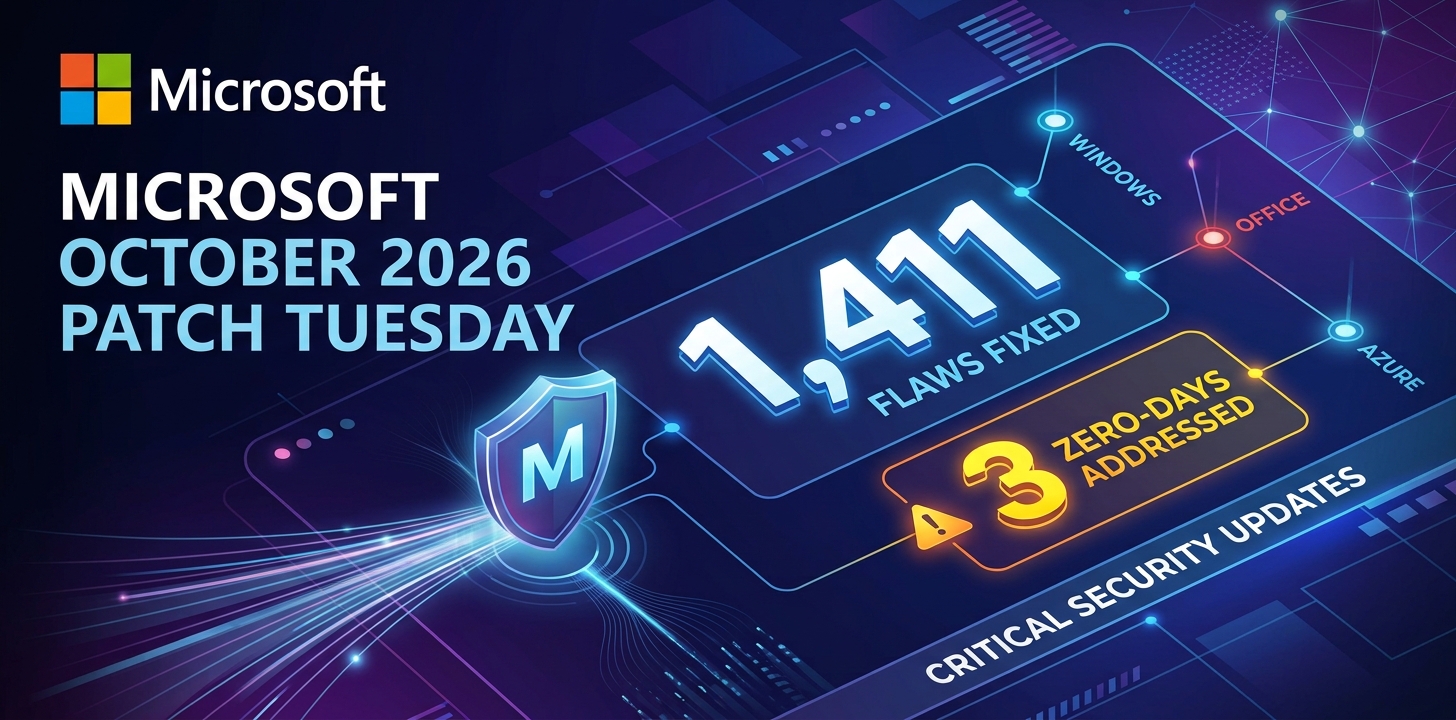
Microsoft patches record braking 1411 flaws; 2 zero days
Anthropic unveils “OSS Scanner” Free AI Vulnerability Scanner for Open-Source Projects

Rise on RCE Exploits Targeting Hikvision Camera Flaw

CVE-2014-100005 :
A vulnerability that allows an attacker to manipulate D-Link DIR-600 router configurations by taking over an existing administrator session
CVE-2021-40655:
An information disclosure vulnerability affecting D-Link DIR-605 routers that enables attackers to acquire a username and password via an HTTP POST request to the /getcfg.php page.
There is no information available on how these weaknesses are being exploited in real-world situations, but federal agencies have been advised to use the solutions provided by the vendors before June 6, 2024.
CVE-2014-100005 affects old D-Link products that are no longer supported, so organizations should retire and replace these devices.
The SSD Secure Disclosure team found security issues in DIR-X4860 routers that allow remote attackers to access the HNAP port, gain elevated permissions, and run commands as root.
“By combining an authentication bypass with command execution the device can be completely compromised,” it said, adding the issues impact routers running firmware version DIRX4860A1_FWV1.04B03.
SSD Secure Disclosure has provided a proof-of-concept exploit that uses a customized HNAP login request to bypass authentication protections on a router’s management interface. The exploit takes advantage of a command injection vulnerability to achieve code execution.
D-Link has since acknowledged the issue in a bulletin of its own, stating a fix is “Pending Release / Under Development.” It described the vulnerability as a case of LAN-side unauthenticated command execution flaw.