InfoSecBulletin Cybersecurity for mankind

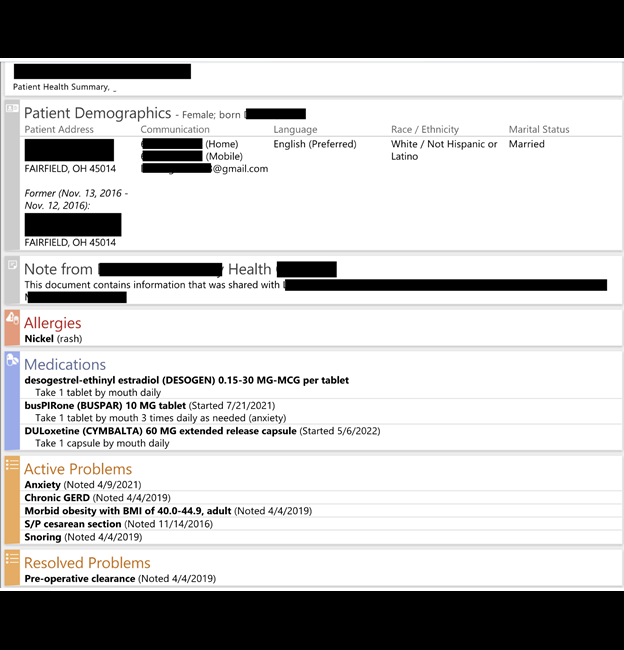
Cybersecurity researcher Jeremiah Fowler found an unprotected database with 957,434 records belonging to an Ohio organization that assists people in obtaining certified medical marijuana cards. The database contained personal information, including PII, driver’s licenses, medical records, Social Security numbers, and other sensitive data.
PHP shares new RCE flaw (CVE 2026-115560) with no patch but mitigation

US banks faced unauthorized access by AI agents in customer accounts: Axios reports

Atlassian patched 176 flaw in Jira and Confluence: Fortinet Urges to Patch Flaws Affecting FortiOS, FortiManager

Hacker claim to access Rajasthan Police data: 70,000 records allegedly exposed

Update now! PHP2Shell: Critical PHP vulnerabilities patched

Trump says data centres should pay dividends to local community

Hackers Actively Exploiting Palo Alto VPN Flaw Via CVE-2026-0257

DeepSeek AI banned by U.S. Government; federal agencies must remove all related tools
CISA, NSA and NIST Publish New 10 AI Agent Control Guidelines
Claude AI Cracks 25-Year NSA Cryptography Number Mystery in Just 30 Minutes

The publicly exposed databases were not password-protected or encrypted and contained 957,434 records with a total size of 323 GB.
A limited review of exposed records revealed high-resolution images of driver’s licenses and identification documents showing names, addresses, dates of birth, and license numbers. The folders were labeled with patients’ names and included intake forms, medical records, release forms, physician certifications with Social Security numbers, mental health evaluations, and identification documents from various states. These documents reflected the patients’ diagnoses and their reasons for seeking medical marijuana prescriptions.
Internal files indicate that the records are from an Ohio-based company, Ohio Medical Alliance LLC (OMA), which operates under the brand “Ohio Marijuana Card.” This company is a telemedicine and in‑person provider that helps clients obtain physician‑certified medical marijuana cards. OMA facilitates evaluations for a wide range of qualifying health conditions through state‑licensed doctors.
After sending a responsible disclosure notice to OMA the database was restricted from public access the following day and no longer accessible.
OMA has assisted over 330,000 patients across the country in obtaining medical marijuana. They have clinics in Ohio, Arkansas, Kentucky, Louisiana, and Virginia.
CISA Adds Actively Exploited Trend Micro Apex One Vulnerability