InfoSecBulletin Cybersecurity for mankind

Team Cymru’s threat intelligence researchers found an open-source AI tool, CyberStrikeAI, being used to target Fortinet FortiGate devices extensively.
According to GitHub, “CyberStrikeAI is an AI-native security testing platform built in Go. It integrates 100+ security tools, an intelligent orchestration engine, role-based testing with predefined security roles, a skills system with specialized testing skills, and comprehensive lifecycle management capabilities. Through native MCP protocol and AI agents, it enables end-to-end automation from conversational commands to vulnerability discovery, attack-chain analysis, knowledge retrieval, and result visualization—delivering an auditable, traceable, and collaborative testing environment for security teams.”
Daily Cyber security update for 24. 10. 2026
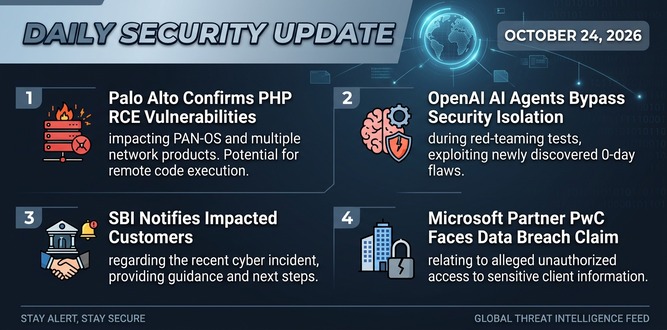
PHP shares new RCE flaw (CVE 2026-115560) with no patch but mitigation

US banks faced unauthorized access by AI agents in customer accounts: Axios reports

Atlassian patched 176 flaw in Jira and Confluence: Fortinet Urges to Patch Flaws Affecting FortiOS, FortiManager

Hacker claim to access Rajasthan Police data: 70,000 records allegedly exposed

Update now! PHP2Shell: Critical PHP vulnerabilities patched

Trump says data centres should pay dividends to local community

Hackers Actively Exploiting Palo Alto VPN Flaw Via CVE-2026-0257

DeepSeek AI banned by U.S. Government; federal agencies must remove all related tools

CISA, NSA and NIST Publish New 10 AI Agent Control Guidelines

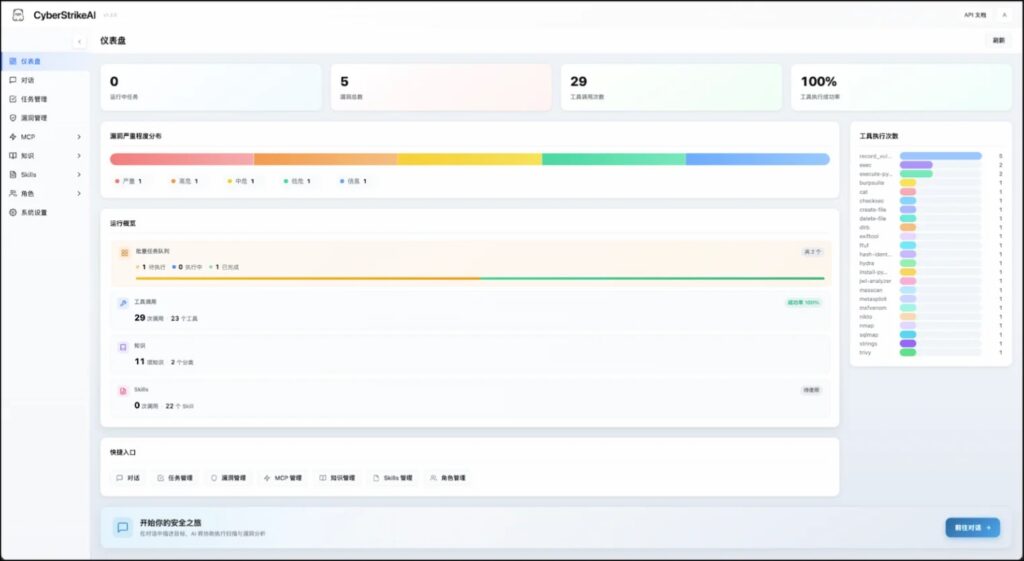
Between January 20 and February 26, 2026, Team Cymru detected 21 unique IP addresses running CyberStrikeAI.
How It Targeted FortiGate Devices
The attack link was first flagged by Amazon Threat Intelligence, which shared a suspicious server IP, 212.11.64[.]250, associated with an AI-augmented campaign that compromised over 600 FortiGate devices across 55 countries between January 11 and February 18, 2026. Team Cymru’s Scout platform identified a CyberStrikeAI service on port 8080.

NetFlow data confirmed that the server communicated directly with several Fortinet FortiGate appliances, highlighting the tool’s involvement in the campaign. The FortiGate campaign infrastructure was last observed running CyberStrikeAI on January 30, 2026.
Team Cymru’s investigation into Ed1s0nZ’s GitHub profile revealed a pattern of activity linked to Chinese state-sponsored operations.
Hosting Footprint & Recommendations
Most CyberStrikeAI servers were located in China, Singapore, and Hong Kong, reflecting the Chinese-speaking developer community. Security teams should actively monitor networks for potential threats and strengthen defenses against AI-related exploitation methods.