InfoSecBulletin Cybersecurity for mankind

The U.S. Cybersecurity and Infrastructure Security Agency (CISA) said today that hackers are using a newly fixed serious SolarWinds Serv-U problem to crash servers.
SolarWinds put out Serv-U 15.5.4 Hotfix 1 on Thursday to fix a denial-of-service problem (known as CVE-2026-28318). They said it comes from a weak point in resource use.
Anthropic unveils “OSS Scanner” Free AI Vulnerability Scanner for Open-Source Projects
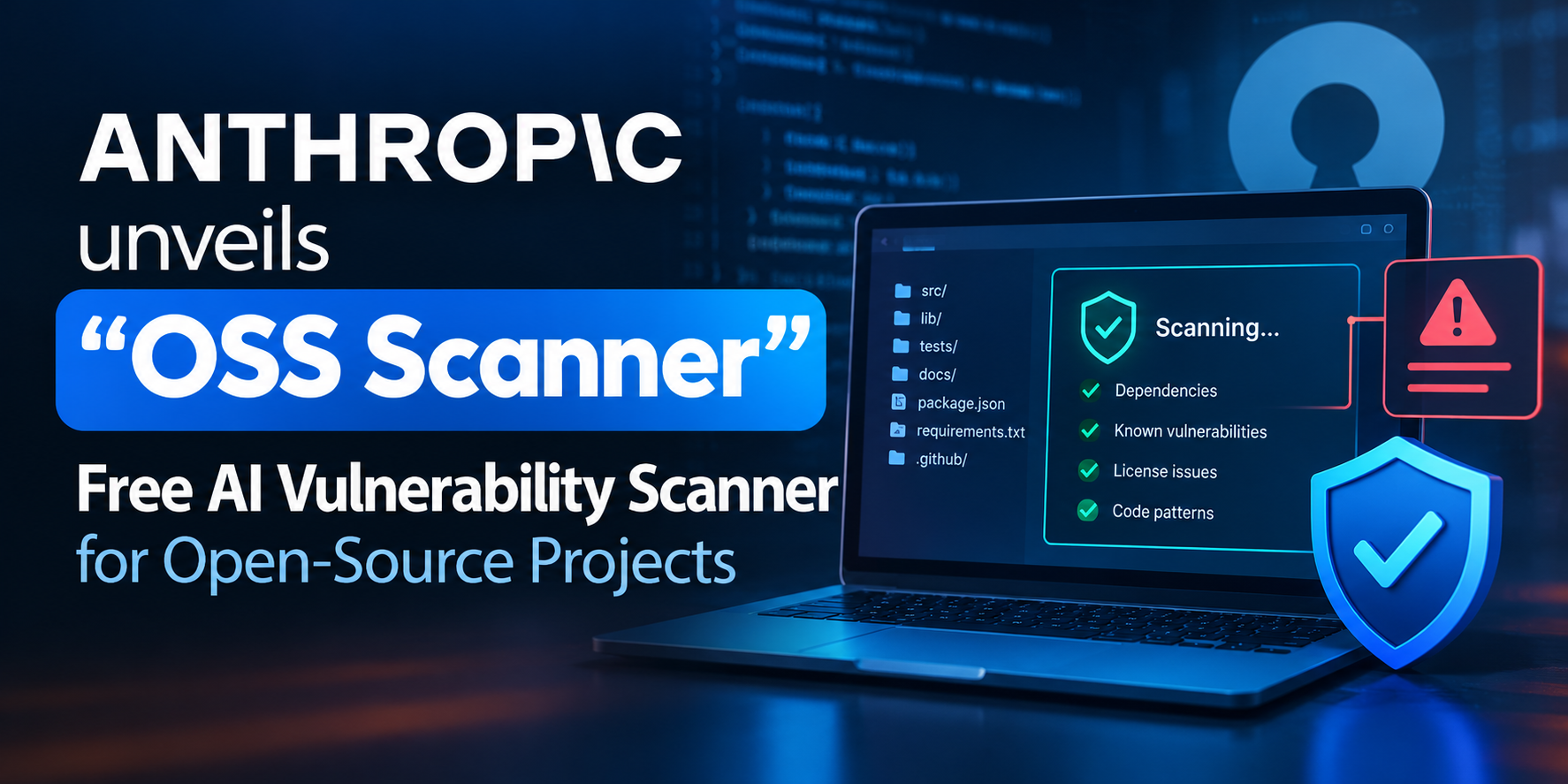
Rise on RCE Exploits Targeting Hikvision Camera Flaw
FortiBleed Attack Compromised 80,000+ Devices, SonicWall Patches 4 SMA1000 Flaws CVSS 10

Critical Atlassian & IBM Flaws Expose Files and Enable Remote Code Execution

Citrix NetScaler SAML 0-Day Flaw Under Attack
Major Danish university breached, 200,000 users at risk

Microsoft’s X account hijacked to promote Clippy crypto scam

Critical cPanel, GitLab AI Gateway and Dell CSM Flaws Enable RCE And Admin Hijacking

Nearly 100,000 email addresses exposed in first AI-related data breach in Singapore

Hackers Exploit Zimbra Mail Servers: TeamViewer patched 5 critical flaws

“SolarWinds Serv-U is susceptible to specially crafted POST requests that crash the Serv-U service without authentication using Content-Encoding: deflate,” the company said.
Remote attackers can use the security weakness without needing permissions in simple attacks that don’t need user action.
SolarWinds told admins that if they can’t install the patch right away, they should restrict access to trusted addresses and block any POST requests with “content-encoding.” The Serv-U service doesn’t need this feature. Shodan is tracking more than 12,000 Serv-U servers online, while Shadowserver has tracked over 3,100, but it’s not clear how many have been updated.
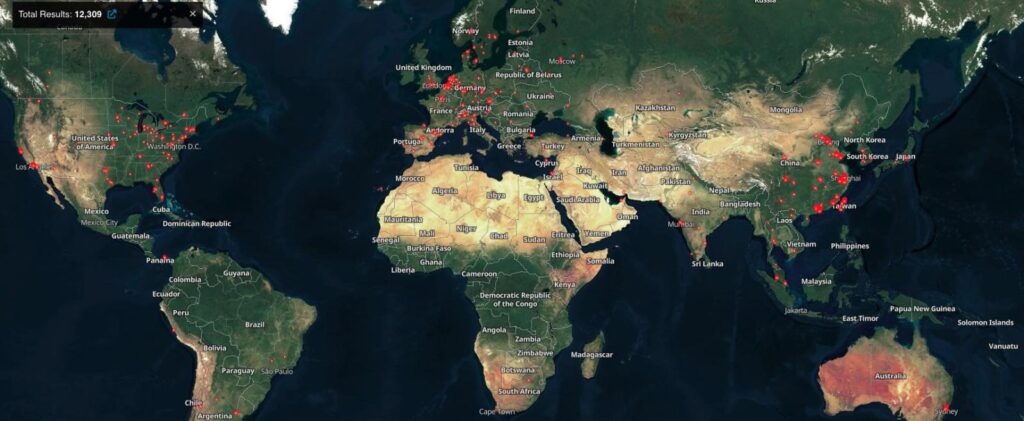
Days after SolarWinds fixed the problem, CISA said it was being exploited online. They added it to the Known Exploited Vulnerabilities Catalog and told all Federal Civilian Executive Branch agencies to update their servers by June 19 to stop attacks, as stated in Binding Operational Directive (BOD) 22-01.
BOD 22-01 is for U.S. government agencies only, but the cybersecurity agency asked everyone, including private companies, to protect their networks from ongoing CVE-2026-28318 attacks quickly.
“This type of vulnerability is a frequent attack vector for malicious cyber actors and poses significant risks to the federal enterprise,” CISA warned. “Apply mitigations per vendor instructions, follow applicable BOD 22-01 guidance for cloud services, or discontinue use of the product if mitigations are unavailable.”
In recent years, many cybercriminals and state-sponsored hackers have looked for weaknesses in Serv-U to steal important company and customer information. For example, the Clop ransomware group used a Serv-U flaw (CVE-2021-35211) to break into company networks in a campaign in 2021. Chinese hackers called DEV-0322 also used CVE-2021-35211 in surprise attacks that began in July 2021.
Cisco SD-WAN Flaw Exploited and Trend Micro Flaws Allows to Security Bypass