InfoSecBulletin Cybersecurity for mankind
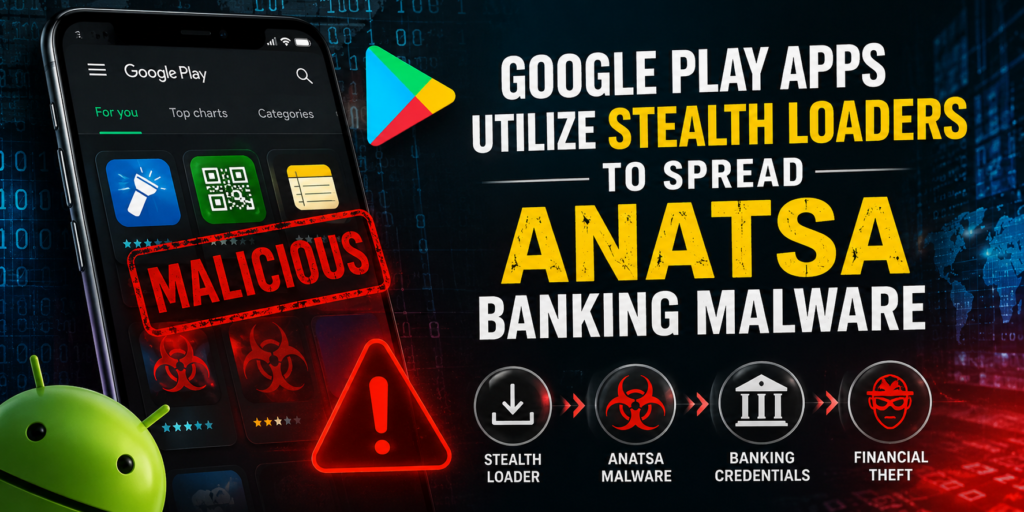
Android users are reminded that a known app store listing can hold a money threat. Researchers found harmful loaders on Google Play that can set up Anatsa, an Android banking Trojan that can put account access in danger.
The campaign starts without a clear harmful download. It uses what looks like a handy app, like a fake PDF reader, that shows a fake update notice when opened.
MITRE ATT&CK v20 Unveils 9 New Attack Techniques On AI Exploits, MFA Bypass, and CAPTCHA Evasion
Hackers Exploit Fortinet Flaws to Deploy Stealthy PEERSTITCH Malware on FortiGate Firewalls
Hacker stole Meta GitHub repos; Stole Source Code
Urgent patch! Zoom,NVIDIA and IBM Patch 41 Security flaws
Microsoft patches record braking 1411 flaws; 2 zero days
Anthropic unveils “OSS Scanner” Free AI Vulnerability Scanner for Open-Source Projects
Rise on RCE Exploits Targeting Hikvision Camera Flaw
FortiBleed Attack Compromised 80,000+ Devices, SonicWall Patches 4 SMA1000 Flaws CVSS 10

Critical Atlassian & IBM Flaws Expose Files and Enable Remote Code Execution

Citrix NetScaler SAML 0-Day Flaw Under Attack
The update then acts as the route for installing Anatsa. Analysts at Securelist identified the activity in their Q2 Android threat review. Securelist said they found several loaders on Google Play, which users usually think is safer than unofficial sites.
The discovery comes as banking malware is still a big worry. Security data showed over 1.99 million blocked attacks related to malware, adware, or unwanted mobile apps in the quarter, with banking Trojans making up 30.77 percent of found harmful apps.
Google Play Apps Use Stealth Loaders
A loader is a tiny program that starts the process of getting a more harmful part ready. This way, bad actors can make an app seem safe at first, then change what it does once it gets on a user’s phone.
In the Anatsa case, the fake update screen is key to the trick. A user who thinks an app needs a regular update might accept the next step without knowing it is installing banking malware.
The past fake document reader campaign shows how this trick can affect regular users, not just those who go to dangerous websites.
Securelist also talked about a loader found in an app named Cleanova, along with other examples. It sent data collected by software development kits, or SDKs, to a control server.
That information had hints about where the installation came from, helping workers decide if they should return a dangerous package.
This special delivery makes it tougher to check app stores. If the data shows an install came from a source not in the attackers’ target group, the harmful functions remain off.
That conditional behavior is like the tricks used in the SlopAds harmful app, where control actions hid bad activity.
Why Selective Delivery Raises Risk
The risk starts with just downloading the app. After Anatsa gets installed on a device, banking Trojans can look for information that lets criminals access financial accounts or fake transactions. Important payment and identity details are in danger.
The larger report found 93,574 harmful installation files linked to mobile banking Trojans in the quarter, even though the total number of these files decreased.
Users need to be careful with sudden in-app update requests, mainly when an app wants to install something not part of its usual update.
Android users who believe a banking app or account may be in danger should reach out to their bank right away and change their login info from a safe device. This campaign shows that attackers often hide bad code behind a harmless-looking interface.
A close look at how an app works is just as important as looking at its listing. Previous issues with Mandrake apps on Google Play show how long-term dangers can mix into normal phone use until their real goal is shown.
“CyberStrike” AI-Driven Security Platform for Automated Testing