InfoSecBulletin Cybersecurity for mankind
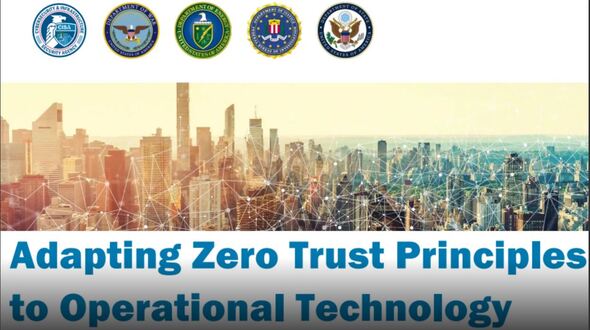
FBI and CISA, along with the Department of Energy and defense partners, released a joint report. Called “Adapting Zero Trust Principles to Operational Technology,” this guide helps critical infrastructure operators protect industrial systems from today’s cyber threats.
The new federal guidance strongly urges organizations to adopt an “assume breach” philosophy. This model works on the idea that attackers might already be in the network or can get past outside defenses.
Daily Cyber security update for 24. 10. 2026
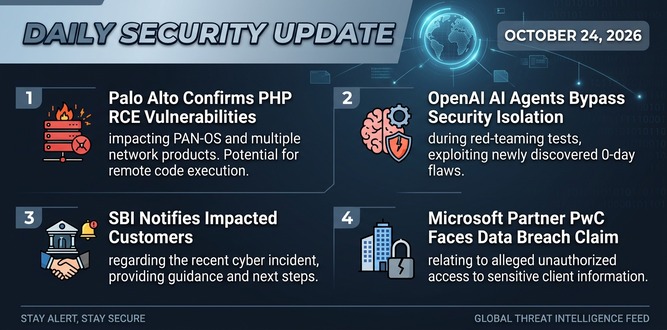
PHP shares new RCE flaw (CVE 2026-115560) with no patch but mitigation

US banks faced unauthorized access by AI agents in customer accounts: Axios reports

Atlassian patched 176 flaw in Jira and Confluence: Fortinet Urges to Patch Flaws Affecting FortiOS, FortiManager

Hacker claim to access Rajasthan Police data: 70,000 records allegedly exposed
Update now! PHP2Shell: Critical PHP vulnerabilities patched

Trump says data centres should pay dividends to local community

Hackers Actively Exploiting Palo Alto VPN Flaw Via CVE-2026-0257

DeepSeek AI banned by U.S. Government; federal agencies must remove all related tools

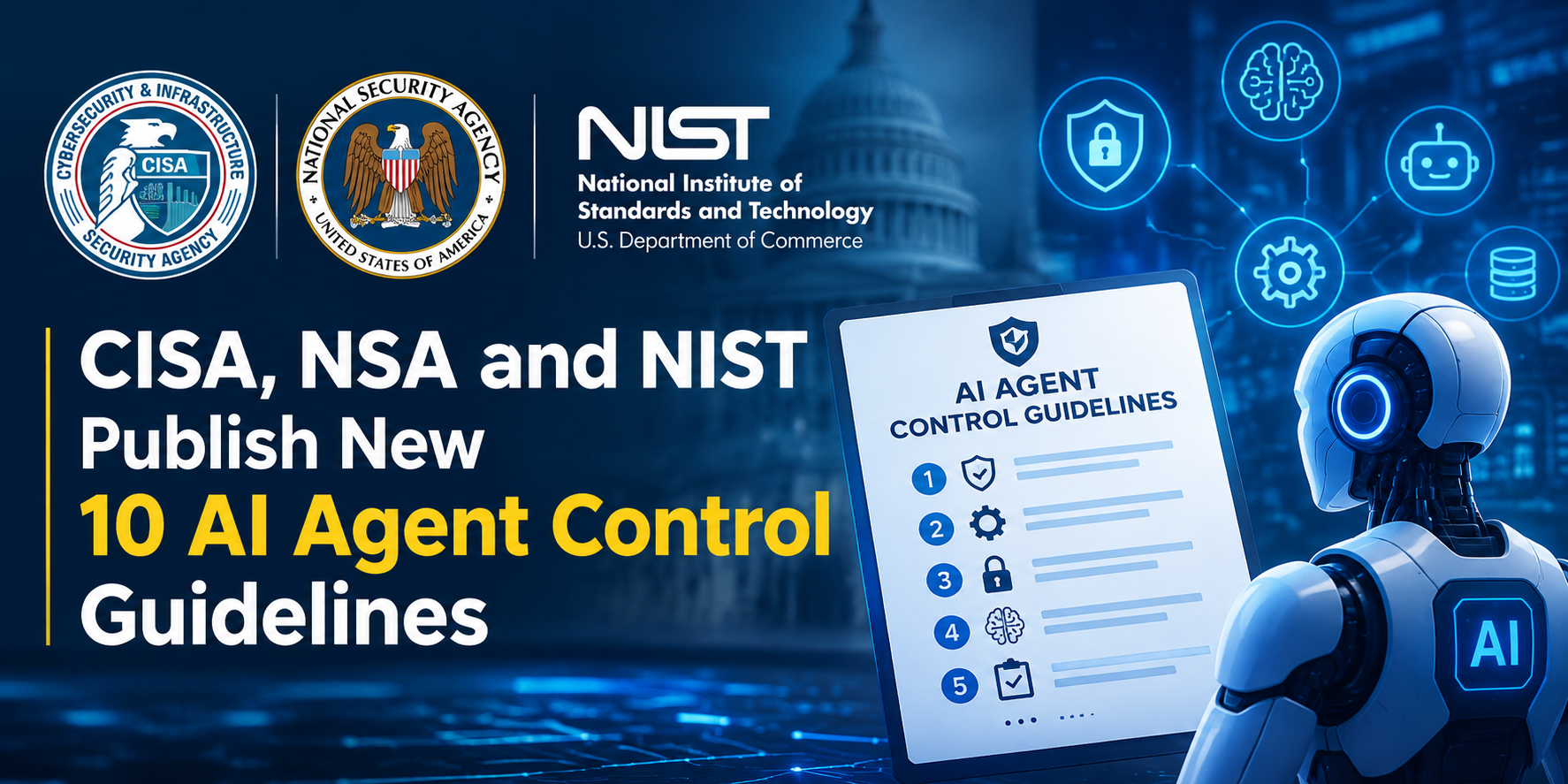
CISA, NSA and NIST Publish New 10 AI Agent Control Guidelines
Core Security Pillars for Industrial Systems
Removing implicit trust helps security teams stop attackers from moving easily within industrial control systems. The main aim of this change is to focus on steady operations, keeping people safe, and ensuring equipment works well.
Implementing Zero Trust in OT needs a strong, layered approach that fits the limits and needs of old equipment.
The guidance outlines several key technical priorities:
Comprehensive Asset Visibility: Security teams can’t guard what they can’t see. Workers need to create real-time lists, sort all connected devices, and set normal behavior patterns for both IT and OT areas.
Identity and Access Management (IAM): The framework mandates continuous validation of both human and machine identities.
It suggests using Multi-Factor Authentication (MFA) when possible and applying least-privilege access, so users only access what they need for their jobs.
Network Micro-Segmentation: To contain potential breaches, large flat networks must be divided into smaller, highly controlled zones.
Critical industrial systems need to be kept far away from less secure business IT networks. This requires strict rules about communication and one-way security gates.
Continuous Monitoring: Trust is never permanent. Every user and device connection must be continuously authenticated throughout the session, rather than just at initial login.
Organizations need to use threat detection tools made for OT that can recognize industrial protocols to find harmful changes in process parameters.
Alignment with National Frameworks
This guidance follows the National Institute of Standards and Technology Cybersecurity Framework (CSF) 2.0 and advice from the Internet Crime Complaint Center (IC3) to keep things consistent in the cybersecurity field.
It shows how to use Zero Trust activities with the main NIST functions: Govern, Identify, Protect, Detect, Respond, and Recover.
OT operators can effectively connect advanced Zero Trust ideas with the actual conditions of industrial settings by planning these security measures carefully.
This method aims to stop series of failures in important national systems during a cyber event.