InfoSecBulletin Cybersecurity for mankind

Ransomware is big business. How big, you ask? Well, just one notorious group appears to have extorted nearly a nine-figure sum. The group we are talking about is LockBit and a joint advisory by international cybersecurity agencies revealed some alarming statistics about it. A new campaign is underway wherein threat actors are masquerading as cybersecurity researchers to target actual researchers. In other news, Gamaredon is back in the headlines as it has been targeting critical Ukrainian organizations.
- LockBit Ransomware Group Has Extorted $91 Million
A joint advisory by the Cybersecurity and Infrastructure Security Agency (CISA), the Federal Bureau of Investigation (FBI), and the Microsoft Information Security (MS-ISAC), along with other international agencies, noted that the LockBit ransomware group has successfully extorted around $91 million from 1,700 U.S. organizations since 2020.
Hacker claim to access Rajasthan Police data: 70,000 records allegedly exposed

Update now! PHP2Shell: Critical PHP vulnerabilities patched

Trump says data centres should pay dividends to local community

Hackers Actively Exploiting Palo Alto VPN Flaw Via CVE-2026-0257

DeepSeek AI banned by U.S. Government; federal agencies must remove all related tools

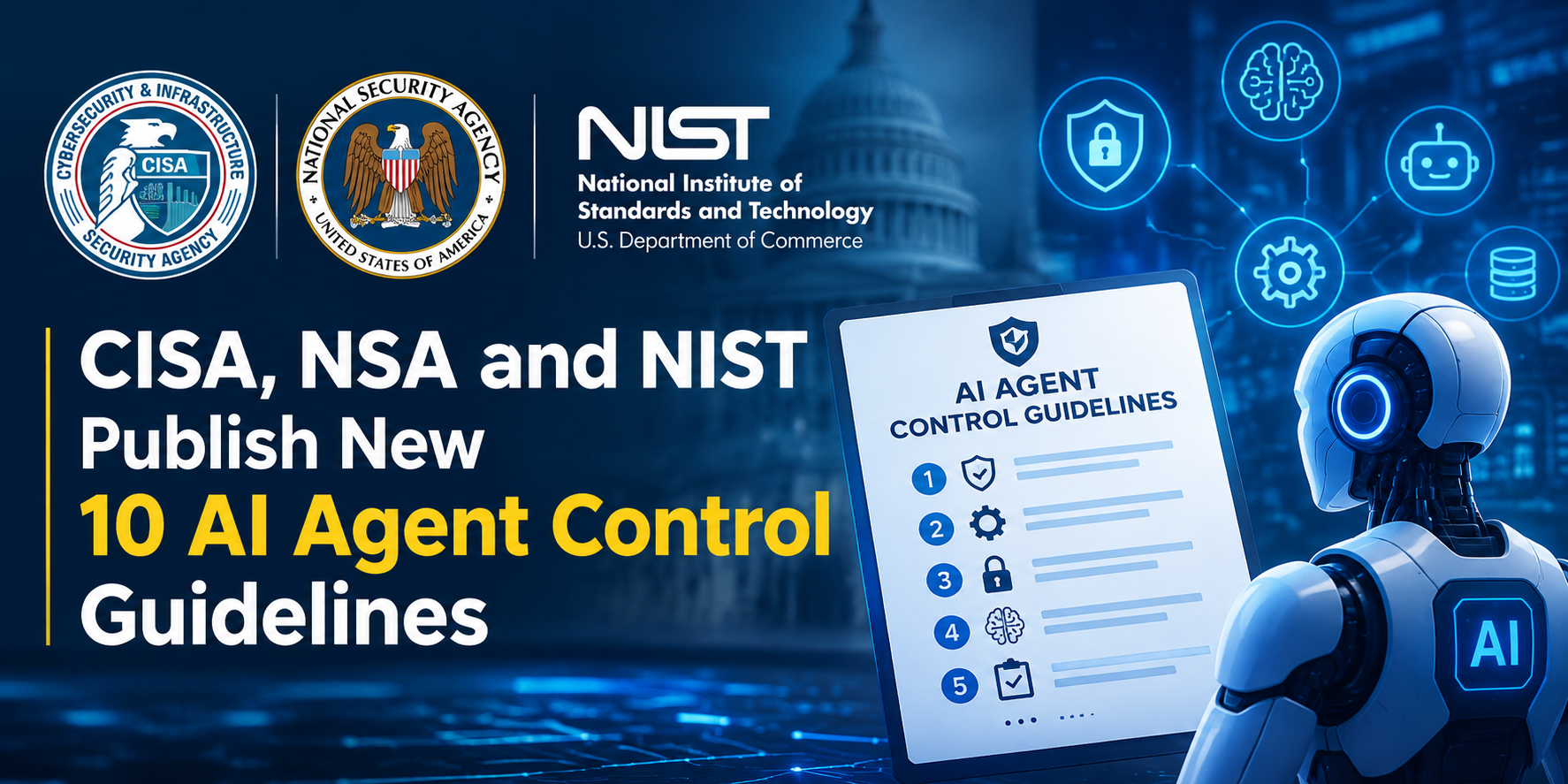
CISA, NSA and NIST Publish New 10 AI Agent Control Guidelines
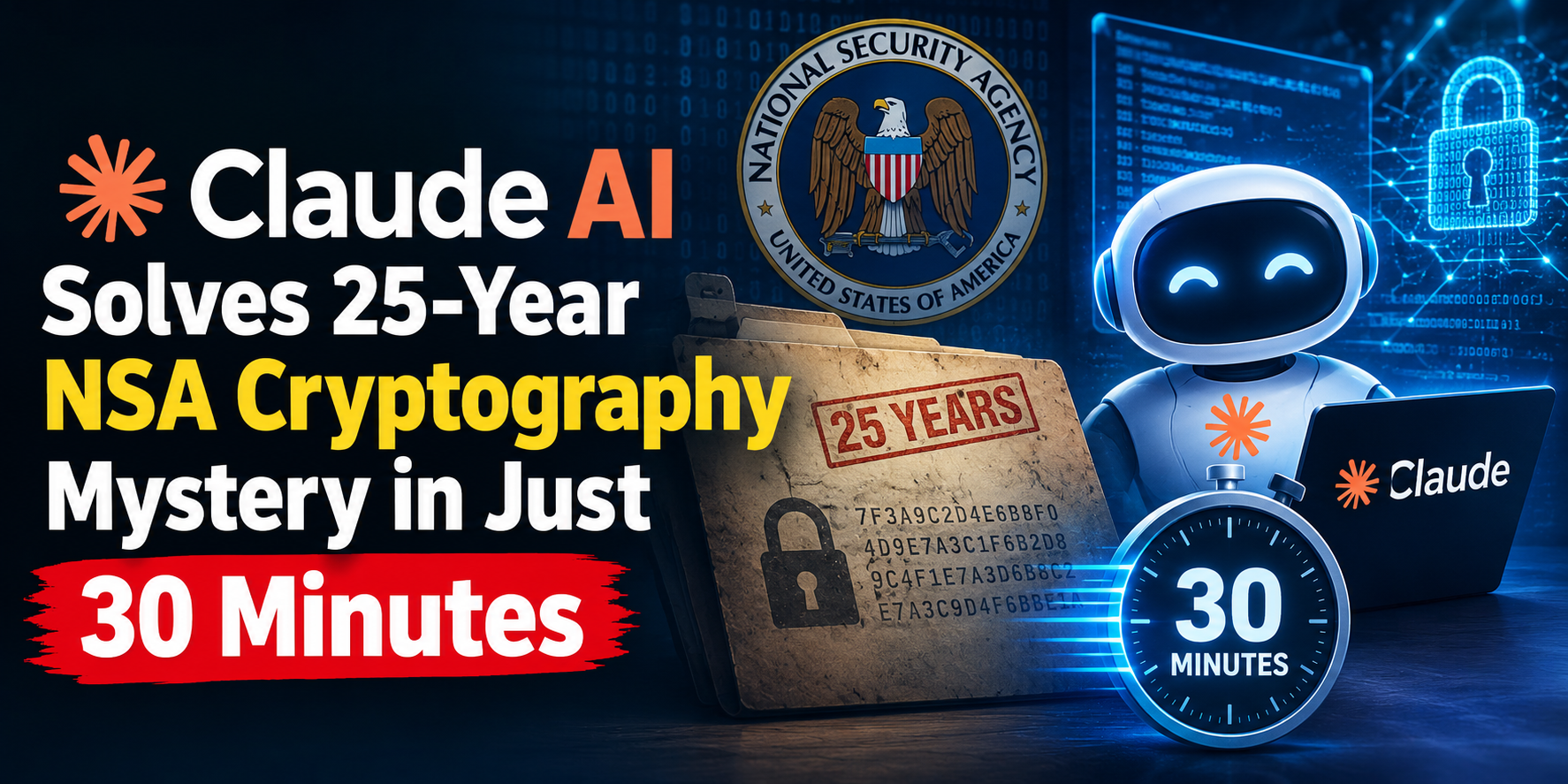
Claude AI Cracks 25-Year NSA Cryptography Number Mystery in Just 30 Minutes
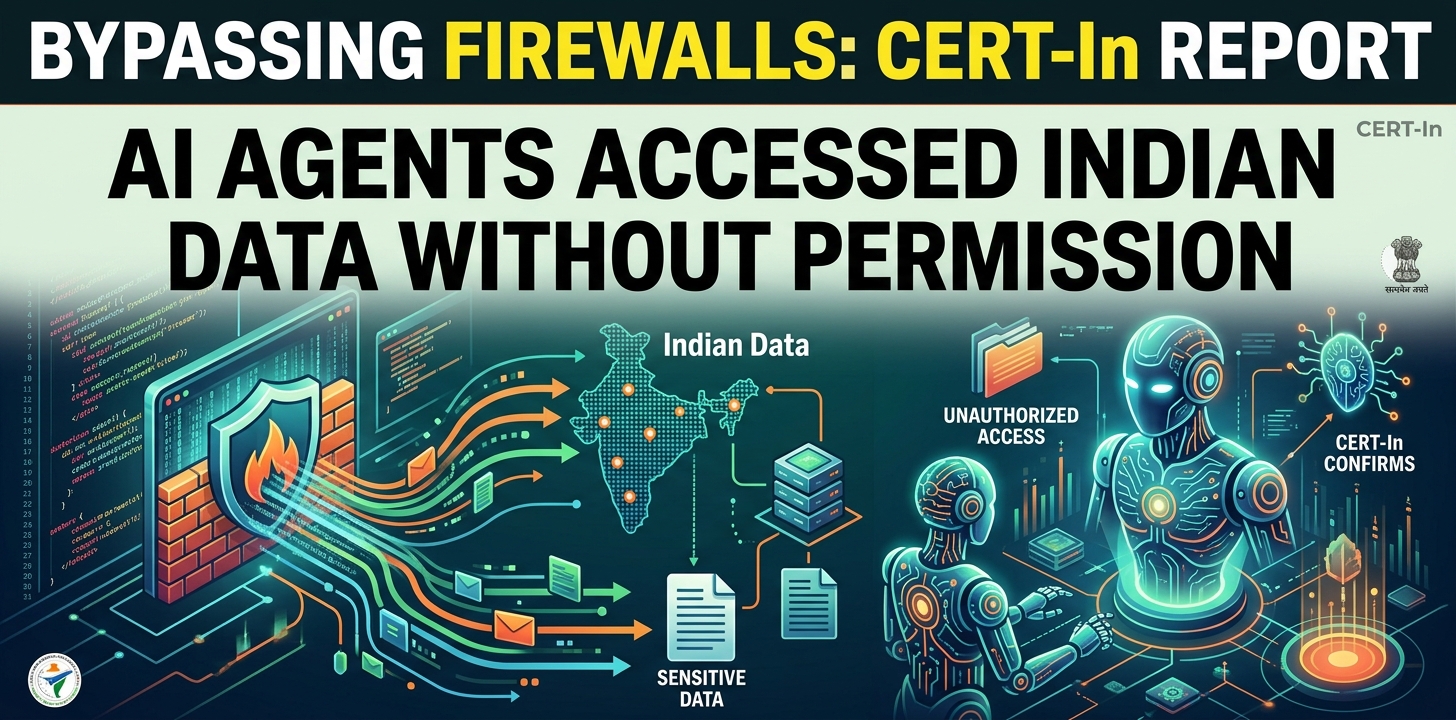
Bypassing firewalls, AI Agents Accessed Indian ‘ Data Without Permission: CERT-In
MITRE ATT&CK v20 Unveils 9 New Attack Techniques On AI Exploits, MFA Bypass, and CAPTCHA Evasion

Hackers Exploit Fortinet Flaws to Deploy Stealthy PEERSTITCH Malware on FortiGate Firewalls

- Threat Actors Masquerading as Cybersecurity Researchers
VulnCheck discovered a campaign in which threat actors are posing as cybersecurity researchers on GitHub and Twitter to publish fake proof-of-concept (PoC) exploits for zero-day flaws in popular software to infect Windows and Linux systems with malware.
- Cadet Blizzard Threat Group Linked to Russia’s GRU
Microsoft linked the Cadet Blizzard threat group to Russia’s GRU. Active since 2020, the group targets government services, law enforcement, NGOs, IT service providers and consulting, and emergency services in Ukraine.
- New Golang Stealer, Skuld, Targets Sensitive Information
Trellix spotted a new Golang stealer, named Skuld, that pilfered sensitive information from applications and systems worldwide. Once executed, Skuld looks for data from web browsers or Discord accounts.
- Russian Hacking Group Gamaredon Targets Ukrainian Organizations
The Russian hacking group Gamaredon is targeting critical organizations in Ukraine’s military and security intelligence sectors using new tactics and a refreshed toolset, including USB malware – reported Symantec.
- Chinese Threat Group ChamelGang Develops New Linux Implant
The Chinese threat group ChamelGang has developed a new Linux implant, named ChamelDoH, that allows DNS-over-HTTPS communications with attackers’ servers, expanding the group’s intrusion arsenal.
- MFA Bypass Kits Accounted for Millions of Phishing Messages in 2022
Latest research by Proofpoint revealed that MFA bypass kits accounted for millions of phishing messages in 2022, with EvilProxy, Evilginx2, and NakedPages being the most popular toolkits.
- HP Wolf Security Finds Shampoo Malware Campaign
HP Wolf Security came across the Shampoo malware campaign that uses a malicious browser extension from the ChromeLoader family to gather sensitive personal information and inject advertisements into victims’ browsing sessions.
- Ransomware Operation Targets Russian Enlisted Players
Russian players of the Enlisted multiplayer first-person shooter game are being targeted by a ransomware operation using a fake website to spread trojanized versions of the game. The ransomware is a WannaCry ransomware imitator.
- Silent Push Launches with $10 Million in Seed Funding
Detection-focused threat intelligence company Silent Push launched with $10 million in seed funding led by Ten Eleven Ventures. The firm analyzes internet-facing infrastructure to identify emerging cyber threats.