InfoSecBulletin Cybersecurity for mankind

The U.S. Cybersecurity and Infrastructure Security Agency (CISA) added a serious security flaw in Broadcom VMware vCenter Server to its Known Exploited Vulnerabilities catalog on Friday, noting it was actively being exploited despite a patch released in June 2024.
CVE-2024-37079 (CVSS score: 9.8) is a vulnerability related to a heap overflow in the DCE/RPC protocol, enabling attackers with network access to vCenter Server to execute remote code by sending a crafted network packet.
Bypassing firewalls, AI Agents Accessed Indian ‘ Data Without Permission: CERT-In

MITRE ATT&CK v20 Unveils 9 New Attack Techniques On AI Exploits, MFA Bypass, and CAPTCHA Evasion

Hackers Exploit Fortinet Flaws to Deploy Stealthy PEERSTITCH Malware on FortiGate Firewalls

Hacker stole Meta GitHub repos; Stole Source Code

Urgent patch! Zoom,NVIDIA and IBM Patch 41 Security flaws

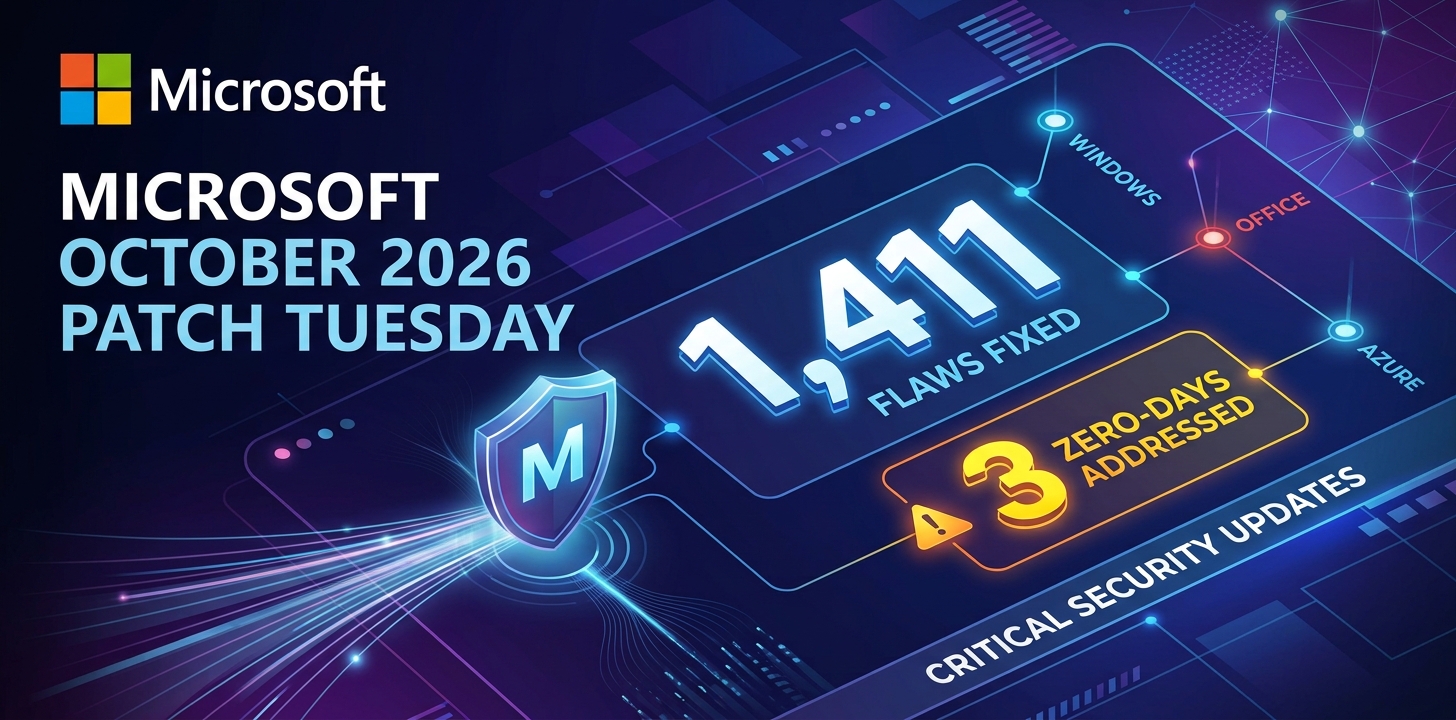
Microsoft patches record braking 1411 flaws; 2 zero days
Anthropic unveils “OSS Scanner” Free AI Vulnerability Scanner for Open-Source Projects

Rise on RCE Exploits Targeting Hikvision Camera Flaw

FortiBleed Attack Compromised 80,000+ Devices, SonicWall Patches 4 SMA1000 Flaws CVSS 10

Critical Atlassian & IBM Flaws Expose Files and Enable Remote Code Execution

Broadcom fixed issues in June 2024, including CVE-2024-37080, a heap overflow in the DCE/RPC protocol that could allow remote code execution. Researchers Hao Zheng and Zibo Li from QiAnXin LegendSec reported these vulnerabilities.
During a presentation at the Black Hat Asia conference in April 2025, researchers revealed two flaws in the DCE/RPC service, part of four vulnerabilities that include three heap overflows and one privilege escalation. Broadcom patched the other two flaws, CVE-2024-38812 and CVE-2024-38813, in September 2024.
They discovered that a heap overflow vulnerability can be combined with the privilege escalation vulnerability (CVE-2024-38813) to gain unauthorized remote root access to ESXi.
It’s currently not known how CVE-2024-37079 is being exploited, if it’s the work of any known threat actor or group, or the scale of such attacks. However, Broadcom has since updated its advisory to officially confirm in-the-wild abuse of the vulnerability.
“Broadcom has information to suggest that exploitation of CVE-2024-37079 has occurred in the wild,” the company said in its update.
In light of active exploitation, Federal Civilian Executive Branch (FCEB) agencies are required to update to the latest version by February 13, 2026, for optimal protection.