InfoSecBulletin Cybersecurity for mankind
Google has released Chrome version 146 with important security updates for Windows, Mac, and Linux users. If the flaw remains unpatched, attackers run arbitrary code, compromise systems, or cause denial-of-service issues.
The critical vulnerability in this release is CVE-2026-3913, which is a severe heap buffer overflow in the WebML component.
Bypassing firewalls, AI Agents Accessed Indian ‘ Data Without Permission: CERT-In

MITRE ATT&CK v20 Unveils 9 New Attack Techniques On AI Exploits, MFA Bypass, and CAPTCHA Evasion

Hackers Exploit Fortinet Flaws to Deploy Stealthy PEERSTITCH Malware on FortiGate Firewalls

Hacker stole Meta GitHub repos; Stole Source Code

Urgent patch! Zoom,NVIDIA and IBM Patch 41 Security flaws

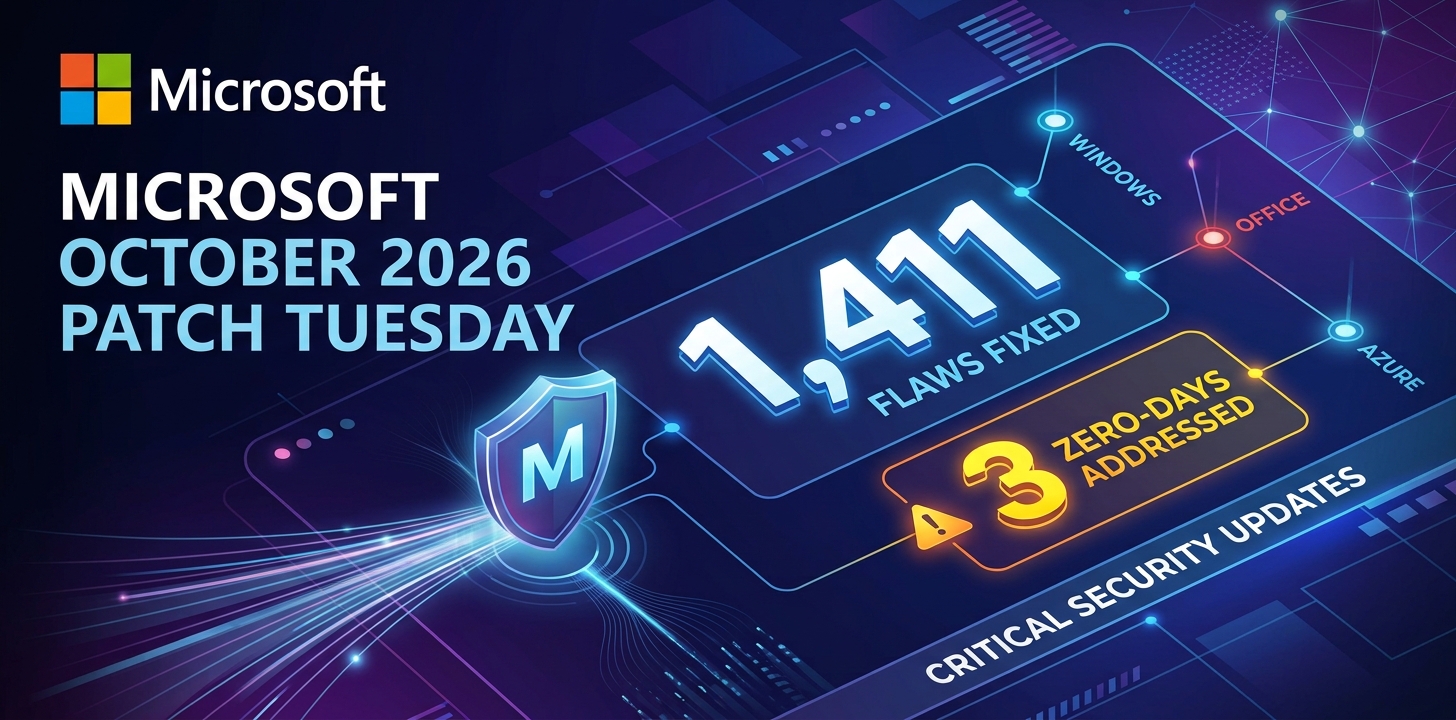
Microsoft patches record braking 1411 flaws; 2 zero days
Anthropic unveils “OSS Scanner” Free AI Vulnerability Scanner for Open-Source Projects

Rise on RCE Exploits Targeting Hikvision Camera Flaw

FortiBleed Attack Compromised 80,000+ Devices, SonicWall Patches 4 SMA1000 Flaws CVSS 10

Critical Atlassian & IBM Flaws Expose Files and Enable Remote Code Execution

Tobias Wienand discovered a memory corruption issue that resulted in a $33,000 bug bounty. A heap buffer overflow happens when a program exceeds the allocated memory size.
Threat actors can take advantage of this flaw to overwrite nearby memory, which may allow remote code execution (RCE) just by visiting a malicious web page.
High-Severity Vulnerabilities Patched
Google fixed 11 high-severity vulnerabilities, including a critical flaw. Two high-severity bugs in the WebML API (CVE-2026-3914 and CVE-2026-3915) each received $43,000 in bounties.
Key High-severity fixes include:
CVE-2026-3916: An out-of-bounds read flaw in the Web Speech component.
CVE-2026-3917 & CVE-2026-3918: Use-after-free vulnerabilities in the Agents and WebMCP components.
CVE-2026-3919: A use-after-free bug in Chrome Extensions.
CVE-2026-3921 to CVE-2026-3924: Multiple use-after-free bugs affecting TextEncoding, MediaStream, WebMIDI, and WindowDialog.
The update fixes several Medium and Low-severity issues, including incorrect security UI in PictureInPicture and weak policy enforcement in PDF and DevTools.
Google awarded over $150,000 in total bug bounties to independent researchers who found these issues before they could be exploited.
Google limits access to certain bug details and exploit links to protect users until most have updated their browsers. This stops attackers from reverse-engineering patches to exploit vulnerable users. With increasing attacks on web browsers, timely security updates are crucial for individuals and organizations to fend off advanced threats.
To ensure your browser is protected, open Google Chrome, navigate to the three-dot menu, select “Help,” and click on “About Google Chrome.”