InfoSecBulletin Cybersecurity for mankind

Check Point Research found that CVE-2026-50751, a serious flaw in Check Point Remote Access VPN and Mobile Access, is being actively used by attackers. It can let them bypass authentication (CVSS 9.3).
CVE-2026-50751 affects systems using the old IKEv1 key exchange method. A remote attacker can take advantage of a mistake in checking certificates. This lets them create a VPN session without needing a real user password, skipping all security checks.
Claude AI Cracks 25-Year NSA Cryptography Number Mystery in Just 30 Minutes

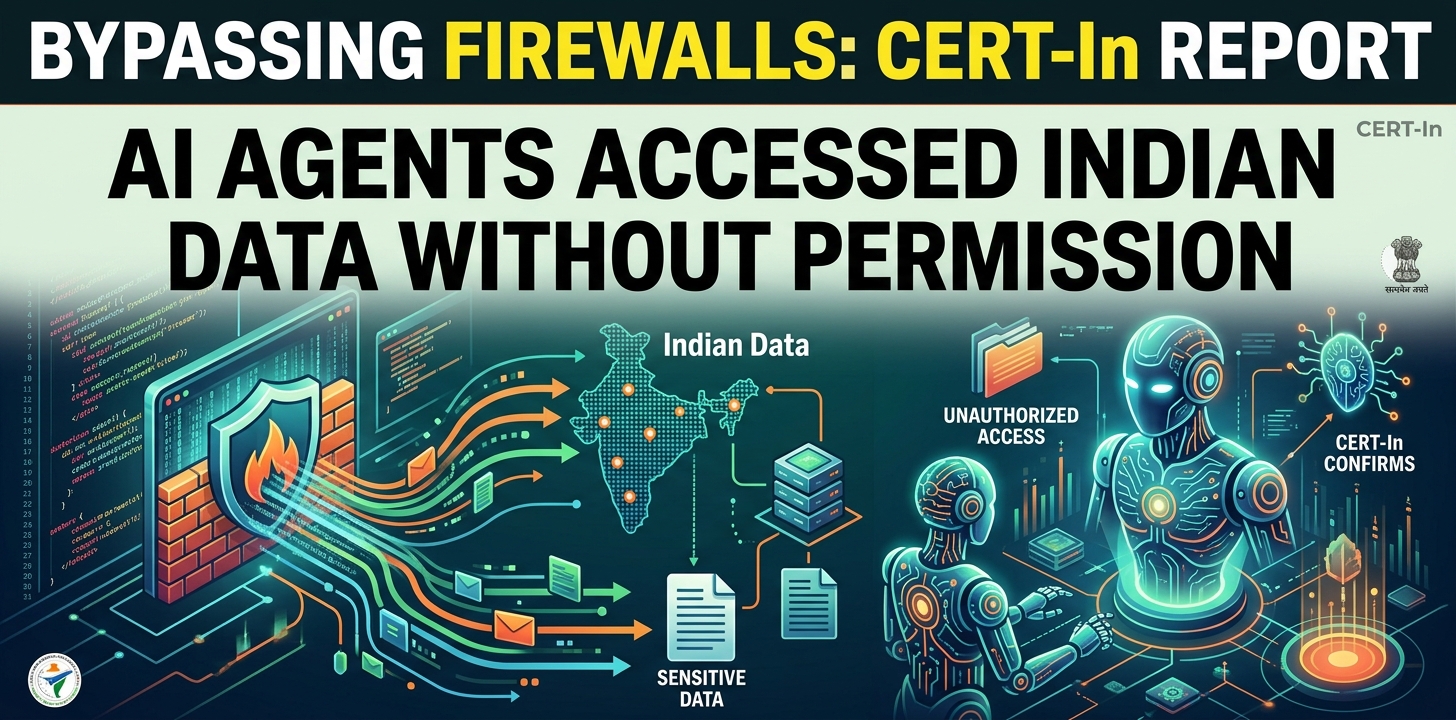
Bypassing firewalls, AI Agents Accessed Indian ‘ Data Without Permission: CERT-In
MITRE ATT&CK v20 Unveils 9 New Attack Techniques On AI Exploits, MFA Bypass, and CAPTCHA Evasion

Hackers Exploit Fortinet Flaws to Deploy Stealthy PEERSTITCH Malware on FortiGate Firewalls

Hacker stole Meta GitHub repos; Stole Source Code

Urgent patch! Zoom,NVIDIA and IBM Patch 41 Security flaws

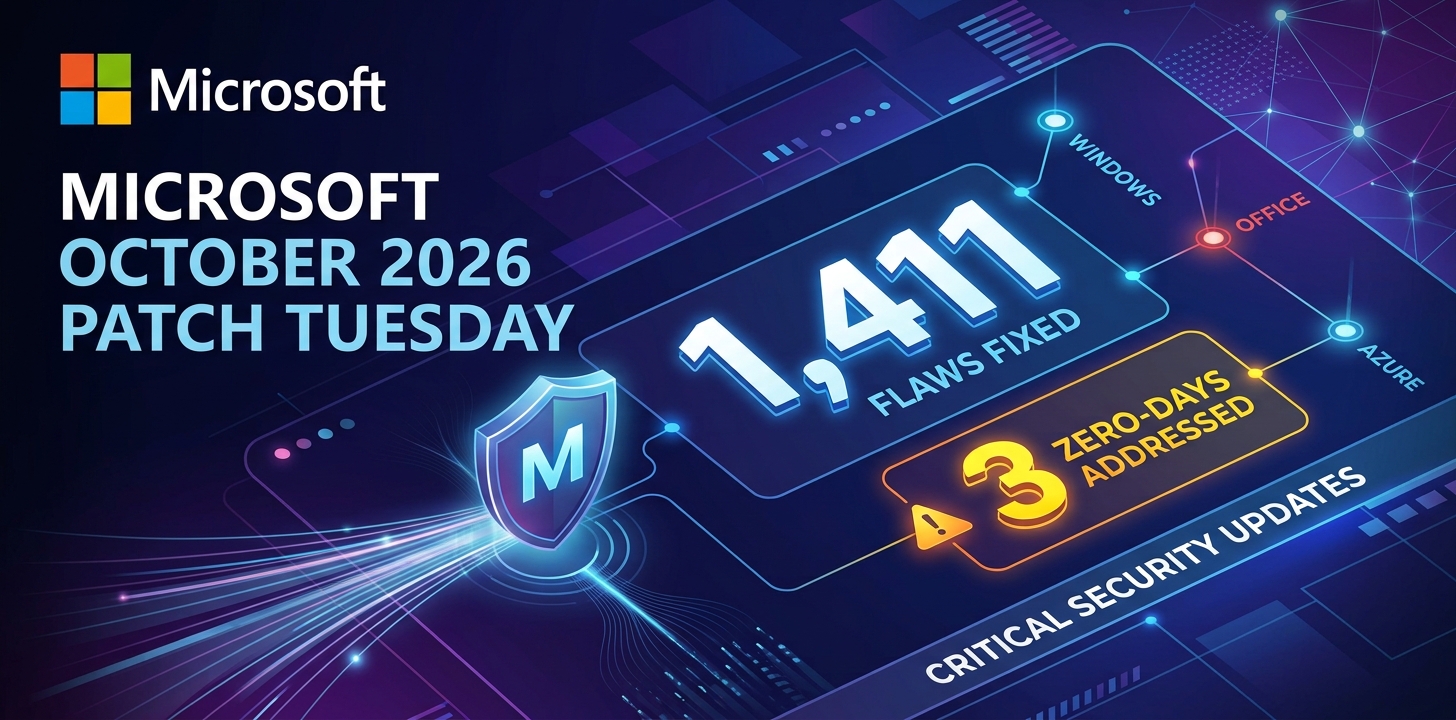
Microsoft patches record braking 1411 flaws; 2 zero days
Anthropic unveils “OSS Scanner” Free AI Vulnerability Scanner for Open-Source Projects

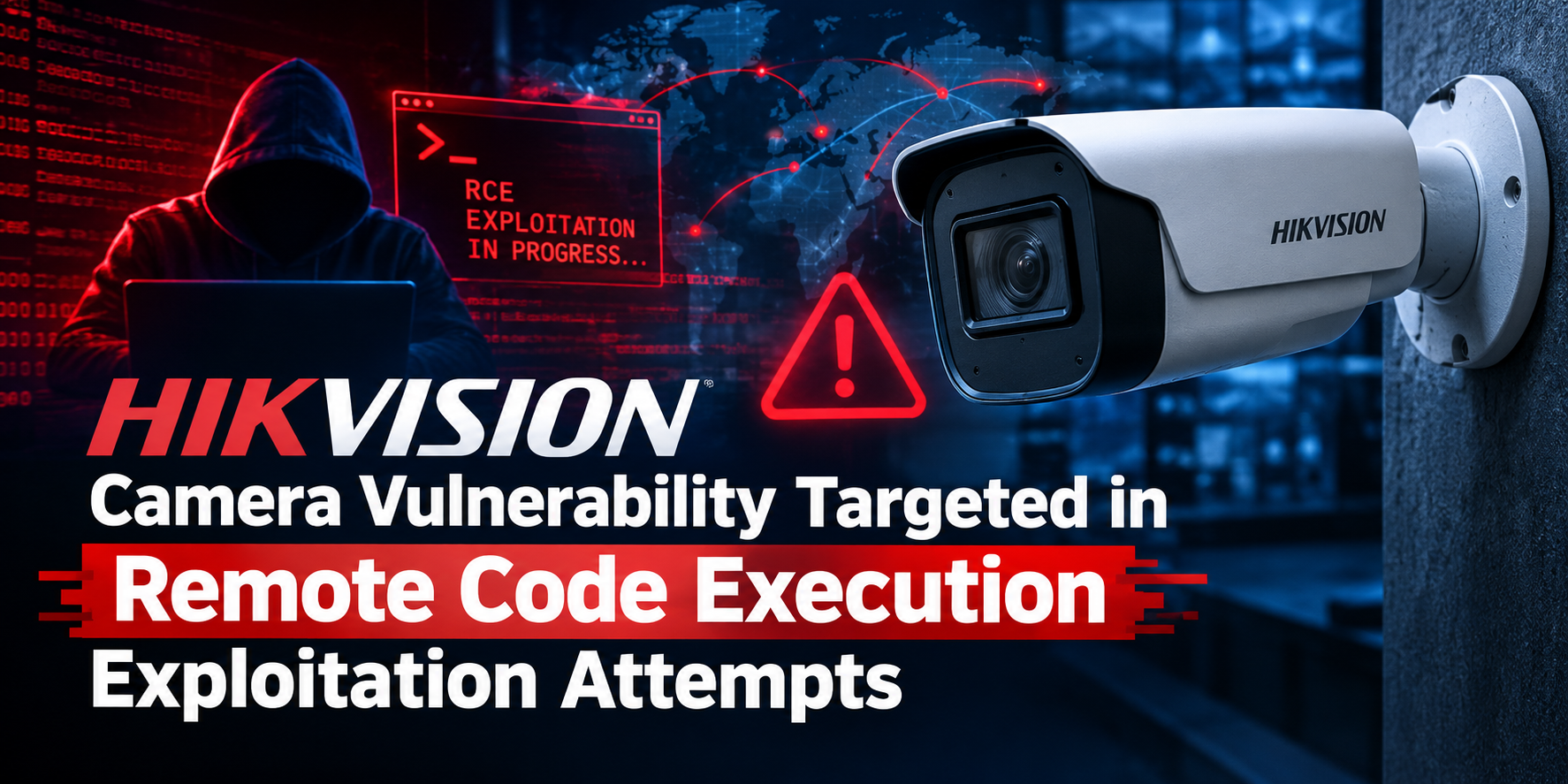
Rise on RCE Exploits Targeting Hikvision Camera Flaw
FortiBleed Attack Compromised 80,000+ Devices, SonicWall Patches 4 SMA1000 Flaws CVSS 10

The flaw impacts Mobile Access / SSL VPN, Remote Access VPN, and Spark Firewall products from versions R80.20.X to R82.10. After getting in through the bypass, extra steps are needed to reach internal resources or gain higher privileges.
Check Point Research began its study on June 4, 2026, after signs of strange activity were found, which traced back to attempts to exploit starting on May 7, 2026.
Exploitation attempts increased a lot in early June 2026, aiming at several organizations worldwide. Incident response teams need to focus on checking forensic logs and reviewing settings from the first day of known exploitation.
The threat actor is believed to be money-driven, using Qilin Linux ransomware files and trying to download harmful ELF files from their own servers.
Second Vulnerability – CVE-2026-50752
During the CVE-2026-50751 investigation, Check Point’s AI tool BLAST found another issue: CVE-2026-50752 (CVSS 7.4).
This security flaw affects how certificates are checked in the old IKEv1 key exchange. It can allow man-in-the-middle (MitM) attacks on VPN connections between sites in certain situations. Although it hasn’t been seen being used yet, customers should update their systems now.
Indicators of Compromise (IOCs)
Malicious IPs:
45.77.149[.]152, 209.182.225[.]136, 38.60.157[.]139, 162.33.177[.]101, 45.76.26[.]42
144.208.127[.]155, 38.54.88[.]201, 38.54.107[.]167, 66.42.99[.]200
File Hashes (MD5):
52fda5c1b9704544f32ee98d9060e689
51d39aa39478beeac94f2d12f682ecce
Mitigations
Check Point warns all customers with affected versions to quickly apply the hotfix for their Security Gateways. If organizations can’t patch right away, they should follow these temporary steps:
Remove support for legacy remote access clients.
Configure Remote Access VPN Authentication to IKEv2 only.
Set Machine Certificate Authentication as mandatory.
Enable IPS and download the latest signatures.