InfoSecBulletin Cybersecurity for mankind
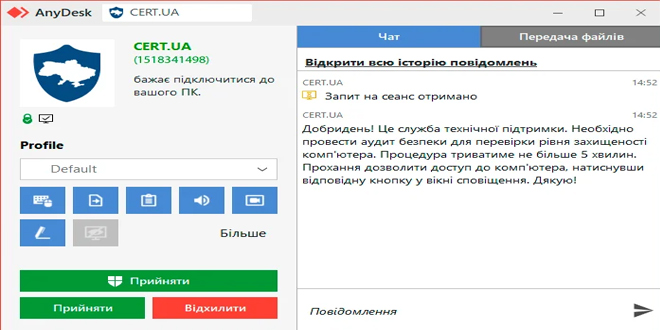
Attackers are pretending to be Ukraine’s Computer Emergency Response Team (CERT-UA) using AnyDesk to access target computers.
“Unidentified individuals are sending connection requests via AnyDesk under the pretext of conducting a ‘security audit to verify the level of protection,’ using the name ‘CERT.UA,’ the CERT-UA logo, and the AnyDesk ID “1518341498” (which may vary),” CERT-UA explained on Friday.
US banks faced unauthorized access by AI agents in customer accounts: Axios reports

Atlassian patched 176 flaw in Jira and Confluence: Fortinet Urges to Patch Flaws Affecting FortiOS, FortiManager

Hacker claim to access Rajasthan Police data: 70,000 records allegedly exposed
Update now! PHP2Shell: Critical PHP vulnerabilities patched

Trump says data centres should pay dividends to local community

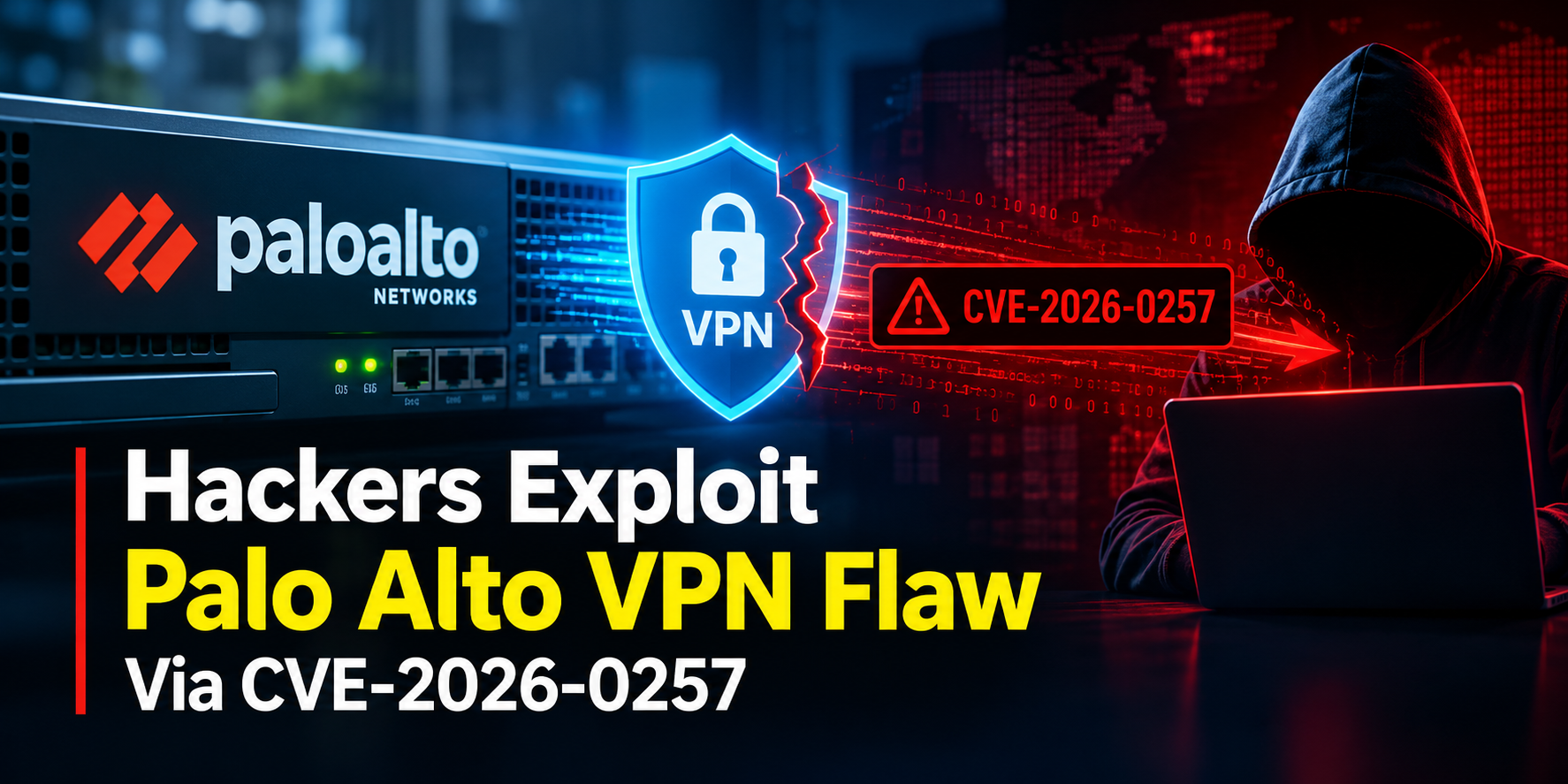
Hackers Actively Exploiting Palo Alto VPN Flaw Via CVE-2026-0257
DeepSeek AI banned by U.S. Government; federal agencies must remove all related tools
CISA, NSA and NIST Publish New 10 AI Agent Control Guidelines
Claude AI Cracks 25-Year NSA Cryptography Number Mystery in Just 30 Minutes
Bypassing firewalls, AI Agents Accessed Indian ‘ Data Without Permission: CERT-In
The requests appear to be haphazardly sent, with the attackers relying on users to accept them without skepticism: “It is evident that attackers are once again resorting to social engineering methods based on trust and the use of authority.”
To send a connection request, the attacker must know the target’s AnyDesk ID and the remote access software must be operational on their device.
They think the attackers may have obtained the targets’ AnyDesk IDs by compromising other computers where remote access was previously allowed.
AnyDesk and other remote access tools are often leveraged by a variety of attackers to gain access to target computers.
Ukraine’s national CERT uses remote access tools to help users combat and manage cyber incidents. These interventions are done only through pre-approved communication channels. A connection requests out of the blue should, therefore, raise potential targets’ suspicions.
The team is unsure if the targets are government workers, company employees, or private individuals. They advise anyone receiving such connection requests to report them to relevant cyber protection units or CERT-UA.
OWASP Reveils Top 10 Smart Contract Vulnerabilities for 2025