InfoSecBulletin Cybersecurity for mankind

On February 21, the Australian Department of Home Affairs issued a directive prohibiting the installation of Kaspersky Lab products and services on all Australian government systems and devices.
The directive under the protective security policy framework (PSPF) mandates federal entities to eliminate “all instances” of Kaspersky’s products.
Daily Cyber security update for 25. 10. 2026

Daily Cyber security update for 24. 10. 2026
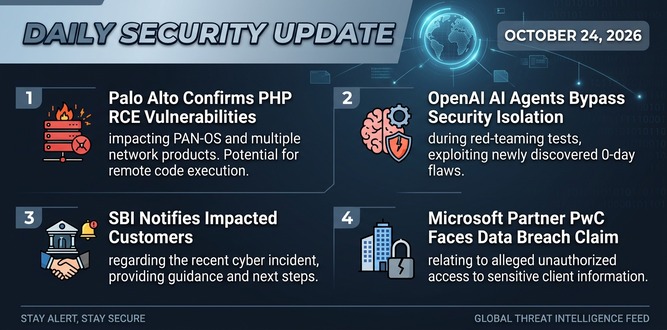
PHP shares new RCE flaw (CVE 2026-115560) with no patch but mitigation

US banks faced unauthorized access by AI agents in customer accounts: Axios reports

Atlassian patched 176 flaw in Jira and Confluence: Fortinet Urges to Patch Flaws Affecting FortiOS, FortiManager

Hacker claim to access Rajasthan Police data: 70,000 records allegedly exposed
Update now! PHP2Shell: Critical PHP vulnerabilities patched

Trump says data centres should pay dividends to local community

Hackers Actively Exploiting Palo Alto VPN Flaw Via CVE-2026-0257

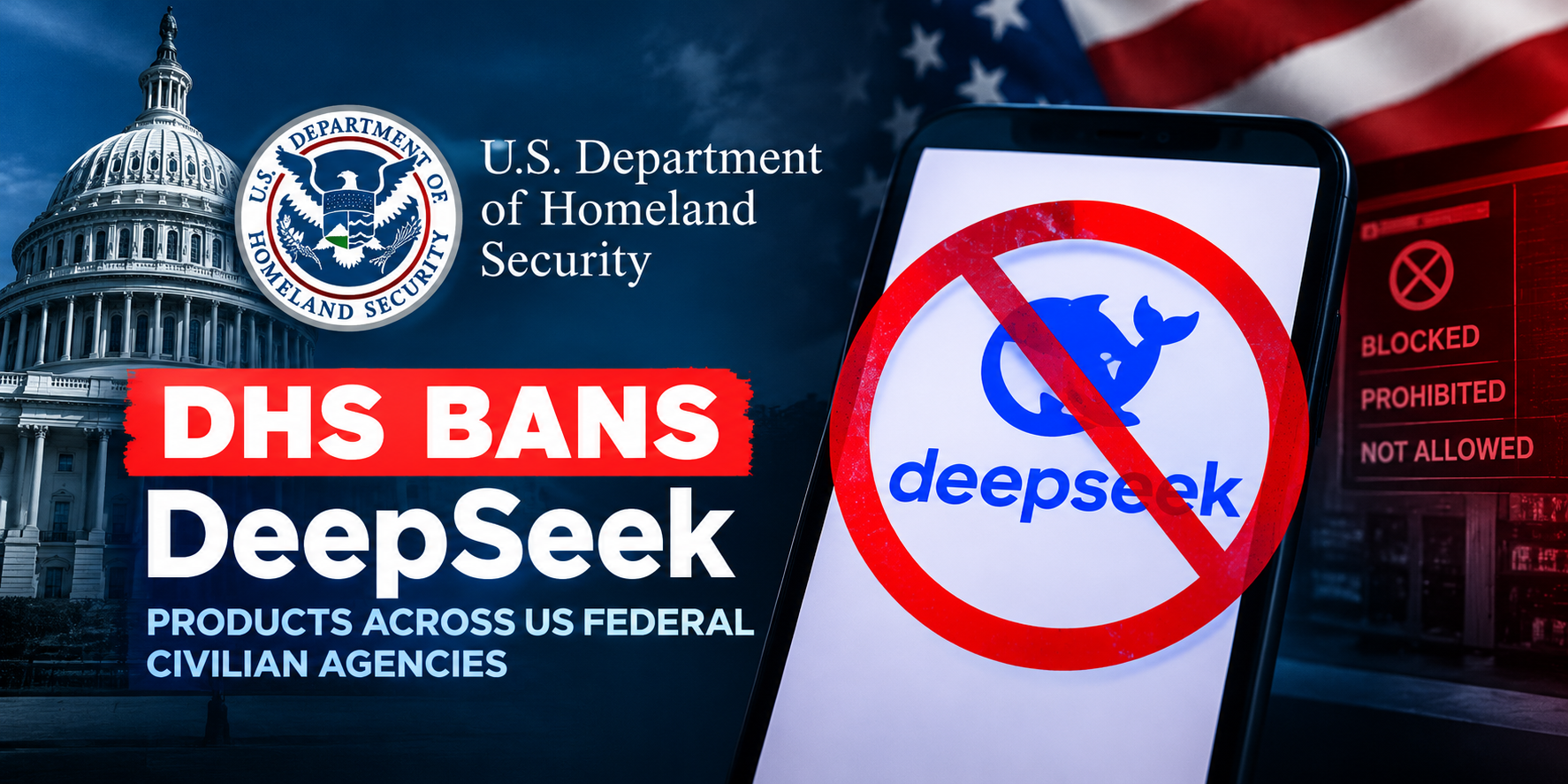
DeepSeek AI banned by U.S. Government; federal agencies must remove all related tools
Home Affairs secretary Stephanie Foster assessed that Kaspersky software “poses an unacceptable security risk to Australian government, networks and data, arising from threats of foreign interference, espionage and sabotage.”
“I also considered the important need for a strong policy signal to critical infrastructure and other Australian governments regarding the unacceptable security risk associated with the use of Kaspersky Lab products and web services.”
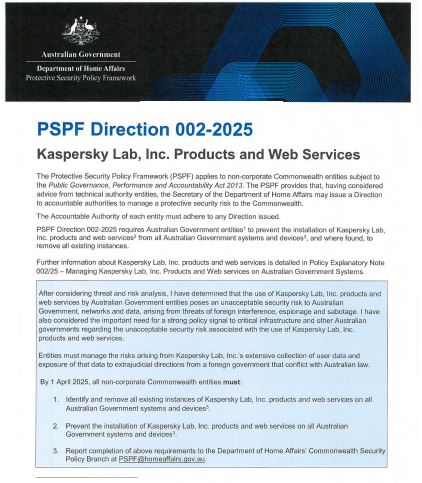
All non-corporate Commonwealth entities must stop using Kaspersky Lab products and services and uninstall them by 1 April 2025, the directive states.
Only agencies involved in “national security or regulatory functions, including compliance and law enforcement functions” can seek an exemption to the ban, if mitigations are in place.
This decision follows a six-month ban by the U.S. government on Kaspersky software sales in North America.
Australia has joined the US and Canada in banning Kaspersky software from government systems, becoming the third Five Eyes nation to do so. The US implemented its ban in 2017.