InfoSecBulletin Cybersecurity for mankind
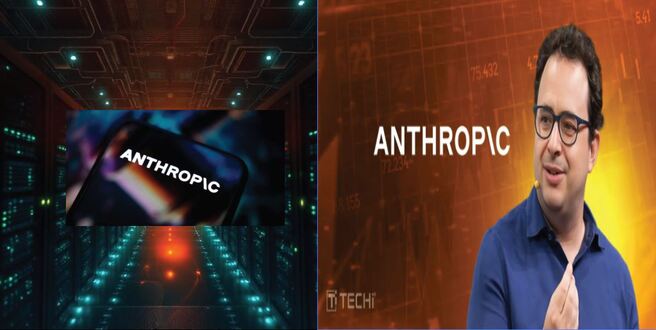
Anthropic, an artificial intelligence company, announced a $50 billion investment in computing infrastructure on Wednesday, which will involve new data centers in Texas and New York.
Microsoft also on Wednesday announced a new data center under construction in Atlanta, Georgia, describing it as connected to another in Wisconsin to form a “massive supercomputer” running on hundreds of thousands of Nvidia chips to power AI technology.
PHP shares new RCE flaw (CVE 2026-115560) with no patch but mitigation

US banks faced unauthorized access by AI agents in customer accounts: Axios reports

Atlassian patched 176 flaw in Jira and Confluence: Fortinet Urges to Patch Flaws Affecting FortiOS, FortiManager

Hacker claim to access Rajasthan Police data: 70,000 records allegedly exposed

Update now! PHP2Shell: Critical PHP vulnerabilities patched
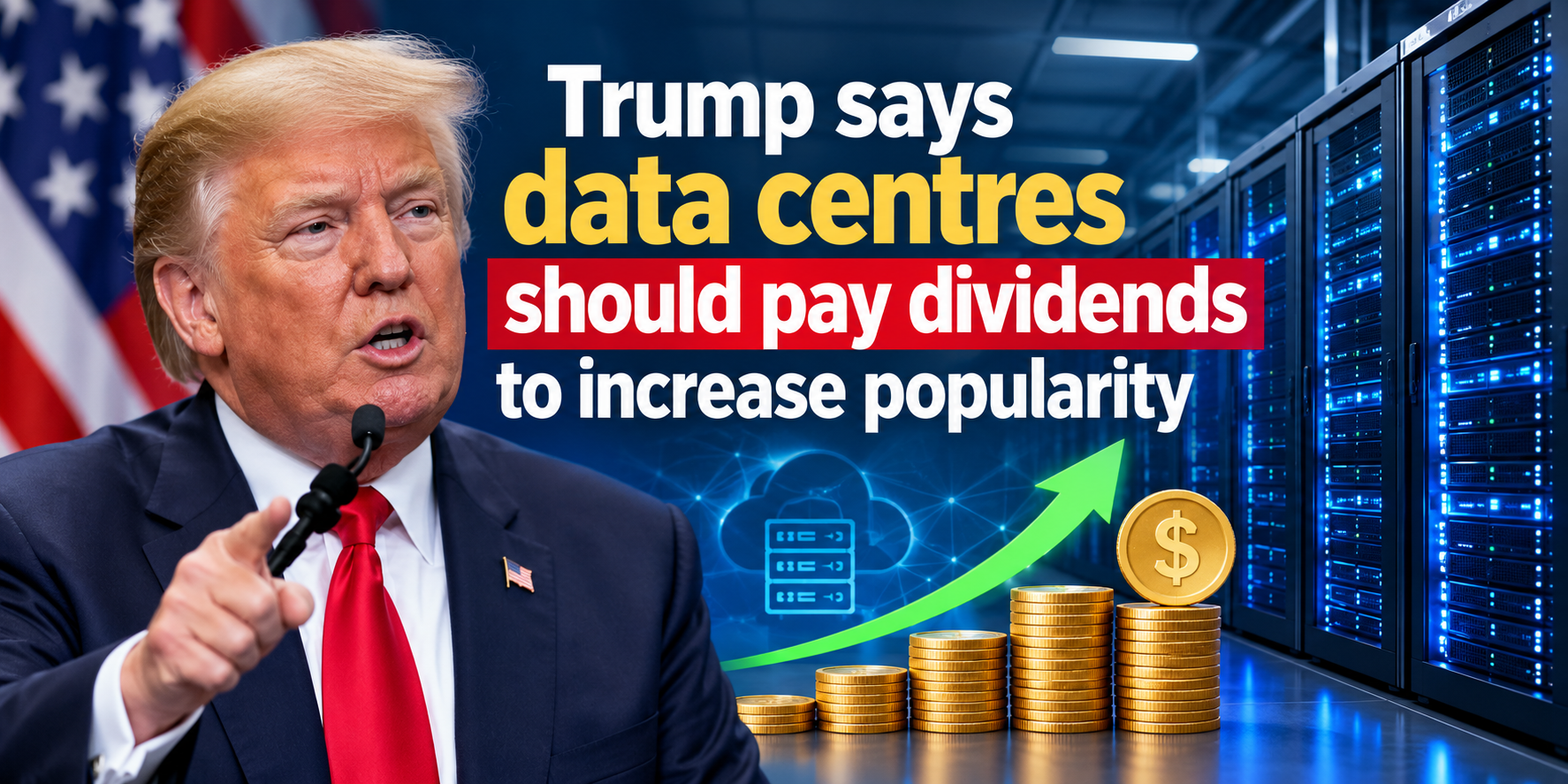
Trump says data centres should pay dividends to local community
Hackers Actively Exploiting Palo Alto VPN Flaw Via CVE-2026-0257

DeepSeek AI banned by U.S. Government; federal agencies must remove all related tools

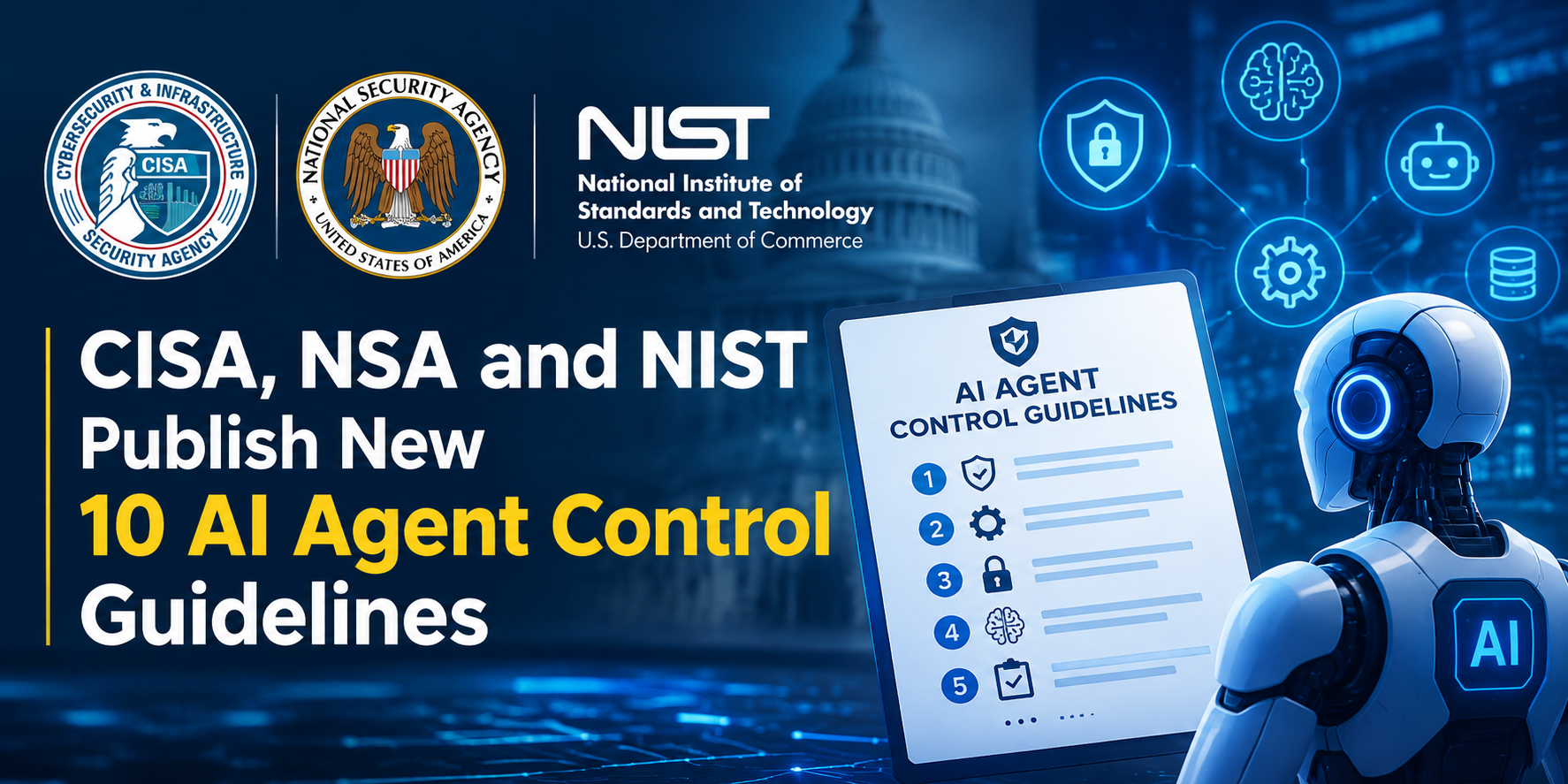
CISA, NSA and NIST Publish New 10 AI Agent Control Guidelines
Claude AI Cracks 25-Year NSA Cryptography Number Mystery in Just 30 Minutes

Recent deals indicate the tech industry is investing heavily in energy-intensive AI infrastructure, despite worries about a bubble, environmental impact, and rising electricity costs in local communities.
Anthropic, the creator of the chatbot Claude, is partnering with Fluidstack in London to develop new computing facilities for its AI systems. The specific locations and electricity sources have not been revealed.
Last month’s TD Cowen report revealed that top cloud providers leased over 7.4 gigawatts of U.S. data center capacity in the third fiscal quarter, surpassing last year’s total.
Oracle was securing the most capacity during that time, much of it supporting AI workloads for Anthropic’s chief rival OpenAI, maker of ChatGPT. Google was second and Fluidstack came in third, ahead of Meta, Amazon, CoreWeave and Microsoft.
Anthropic stated its projects will generate around 800 permanent jobs and 2,400 construction jobs. It said in a statement that the “scale of this investment is necessary to meet the growing demand for Claude from hundreds of thousands of businesses while keeping our research at the frontier.”
Anthropic has partnered with Amazon and, more recently, Google for computing. There’s worry about an AI investment bubble as tech companies heavily invest in AI startups that aren’t profitable yet.
Investors have been monitoring recent circular deals between AI developers and companies that produce the expensive chips and data centers essential for AI. Anthropic said it will continue to “prioritize cost-effective, capital-efficient approaches” to scaling up its business.