InfoSecBulletin Cybersecurity for mankind
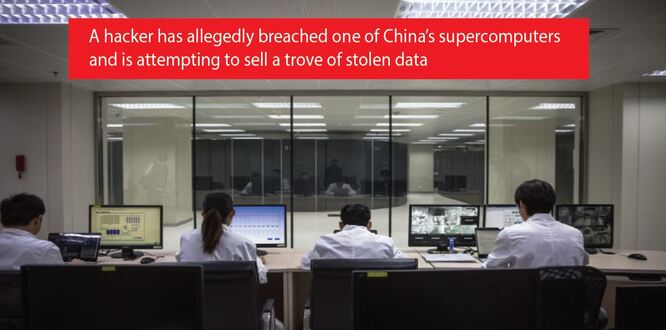
Hackers are claiming that one of China’s most strategically important computing facilities suffered a massive cyber intrusion, with more than 10 petabytes of sensitive information allegedly taken from a state-run supercomputing environment that experts suspect is the National Supercomputing Center in Tianjin.
If true, this event might be one of the biggest data theft cases in China. It’s not just because a lot of data was taken, but also because the Tianjin center helps over 6,000 clients in science, industry, and defense.
Claude AI Cracks 25-Year NSA Cryptography Number Mystery in Just 30 Minutes
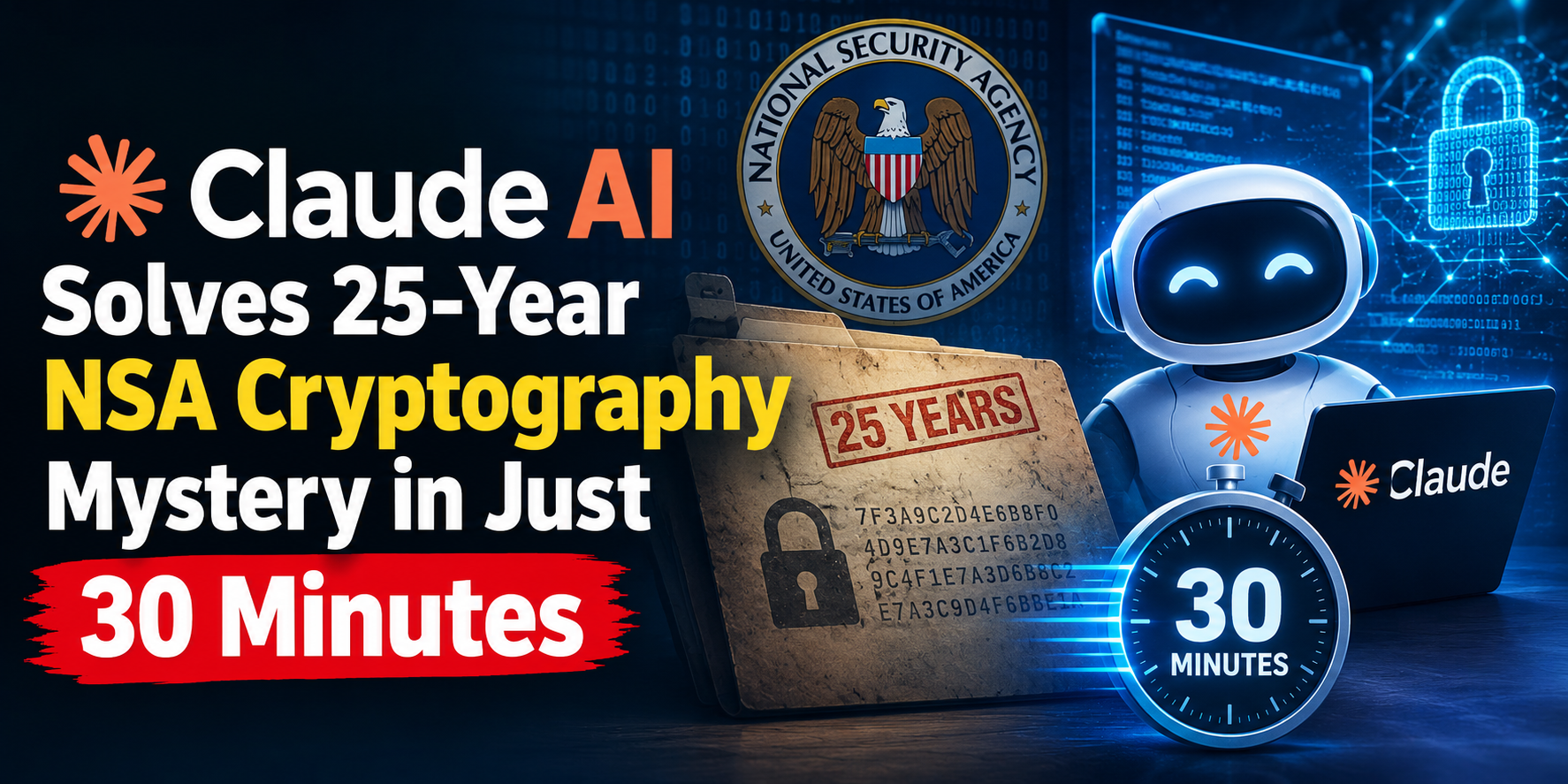
Bypassing firewalls, AI Agents Accessed Indian ‘ Data Without Permission: CERT-In
MITRE ATT&CK v20 Unveils 9 New Attack Techniques On AI Exploits, MFA Bypass, and CAPTCHA Evasion
Hackers Exploit Fortinet Flaws to Deploy Stealthy PEERSTITCH Malware on FortiGate Firewalls

Hacker stole Meta GitHub repos; Stole Source Code
Urgent patch! Zoom,NVIDIA and IBM Patch 41 Security flaws

Microsoft patches record braking 1411 flaws; 2 zero days
Anthropic unveils “OSS Scanner” Free AI Vulnerability Scanner for Open-Source Projects
Rise on RCE Exploits Targeting Hikvision Camera Flaw
FortiBleed Attack Compromised 80,000+ Devices, SonicWall Patches 4 SMA1000 Flaws CVSS 10

The report on the claimed leak says that the leaked documents contain very sensitive defense papers and missile designs. This raises worries about the potential sharing of research related to military and aerospace projects.
Supercomputing Center DataBreach
The target is not just any data center. The Tianjin supercomputing facility is a national asset offering powerful computer resources for big research groups and defense-related organizations. A breach here could have serious effects on national security and business secrets.
Because these centers hold work from many groups in one place, a breach could reveal information from several organizations at the same time instead of just one contractor or ministry.
Chinese authorities and external observers have not independently confirmed the complete extent of the incident, leaving it as a key unanswered question as the claims persist online.
A researcher about the event said that access may be started through a hacked VPN domain. Then, a botnet was used to break into systems, take files, and keep the stolen data for about six months.
If that timeline is right, it means someone had long-term access to sensitive systems linked to China’s important science and defense computing tasks.
The alleged sample data appeared to include documents marked “secret” in Chinese, along with technical files, animated simulations and renderings of defense equipment including bombs and missiles.
“They’re exactly what I would expect to see from the supercomputing center,” said Dakota Cary, a consultant at cybersecurity firm SentinelOne who focuses on China and has reviewed the samples placed online from the alleged hack.
“You would use supercomputer centers for large computational tasks. The swath of samples that the sellers put out kind of really speaks to the breadth of customers that this supercomputing center had,” Cary said.
Most of those customers would have little reason to maintain their own supercomputing infrastructure independently, he added.