InfoSecBulletin Cybersecurity for mankind

After its investigation in collaboration with leading IR Firm, Mandiant into the scope of a recent cloud backup security incident, SonicWall confirm that an unauthorized party accessed firewall configuration backup files for all customers who have used SonicWall’s cloud backup service.
The files contain encrypted credentials and configuration data; while encryption remains in place, possession of these files could increase the risk of targeted attacks. We are working to notify all impacted partners and customers and have released tools to assist with device assessment and remediation. Updated and comprehensive final lists of impacted devices are now available in the MySonicWall portal (Navigate to the Product Management > Issue List).
CISA, NSA and NIST Publish New 10 AI Agent Control Guidelines
Claude AI Cracks 25-Year NSA Cryptography Number Mystery in Just 30 Minutes
Bypassing firewalls, AI Agents Accessed Indian ‘ Data Without Permission: CERT-In
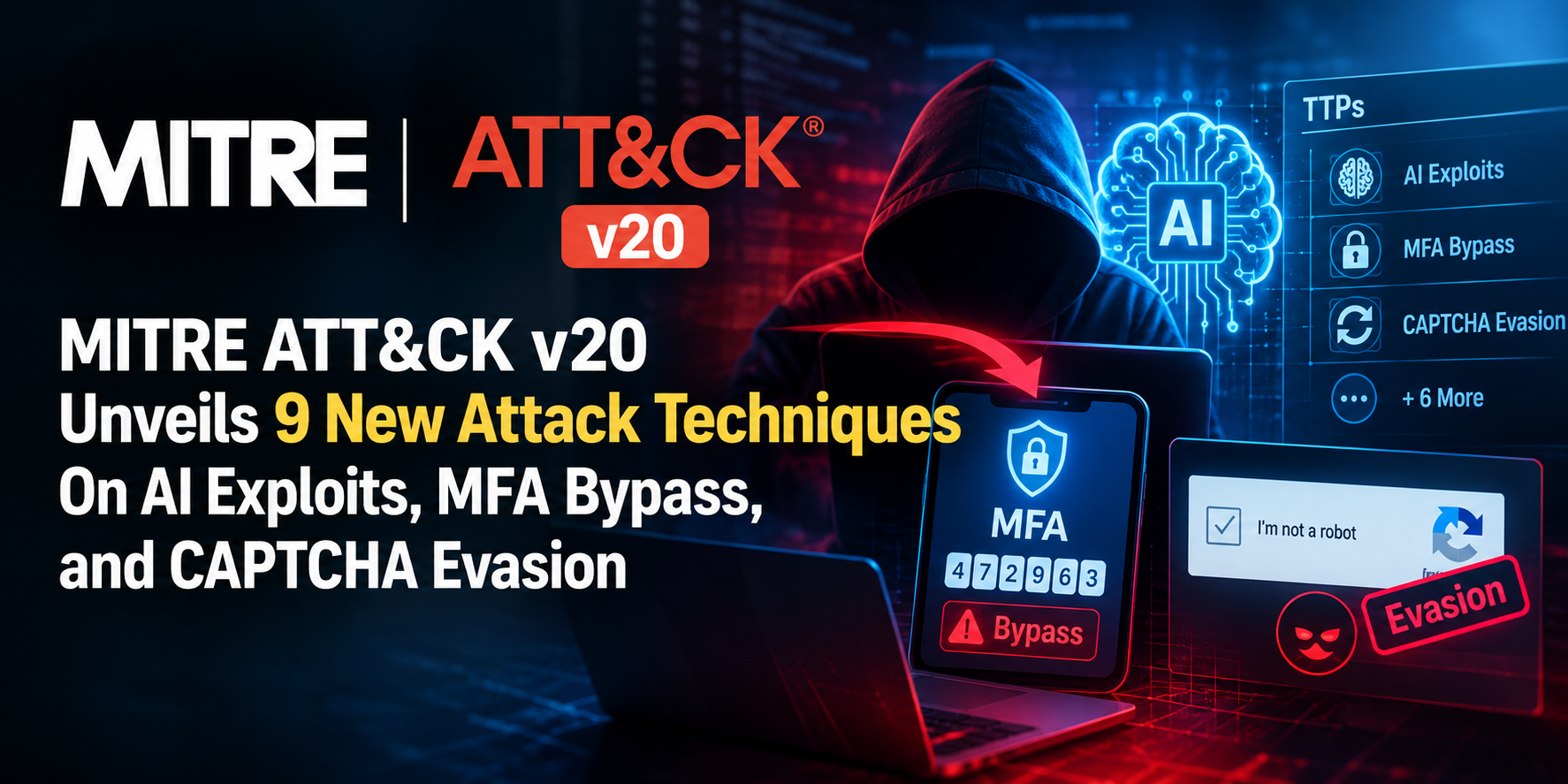
MITRE ATT&CK v20 Unveils 9 New Attack Techniques On AI Exploits, MFA Bypass, and CAPTCHA Evasion
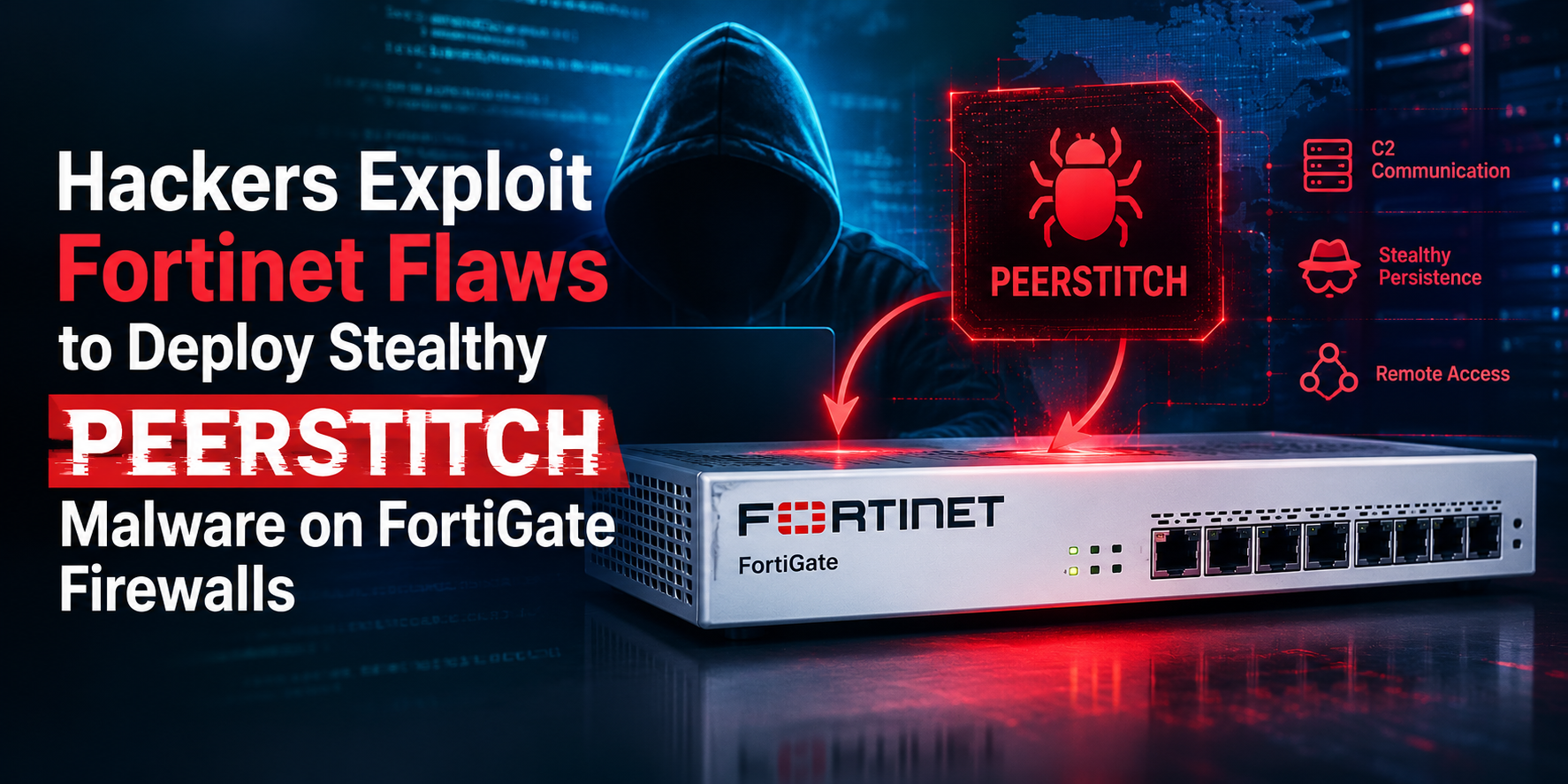
Hackers Exploit Fortinet Flaws to Deploy Stealthy PEERSTITCH Malware on FortiGate Firewalls
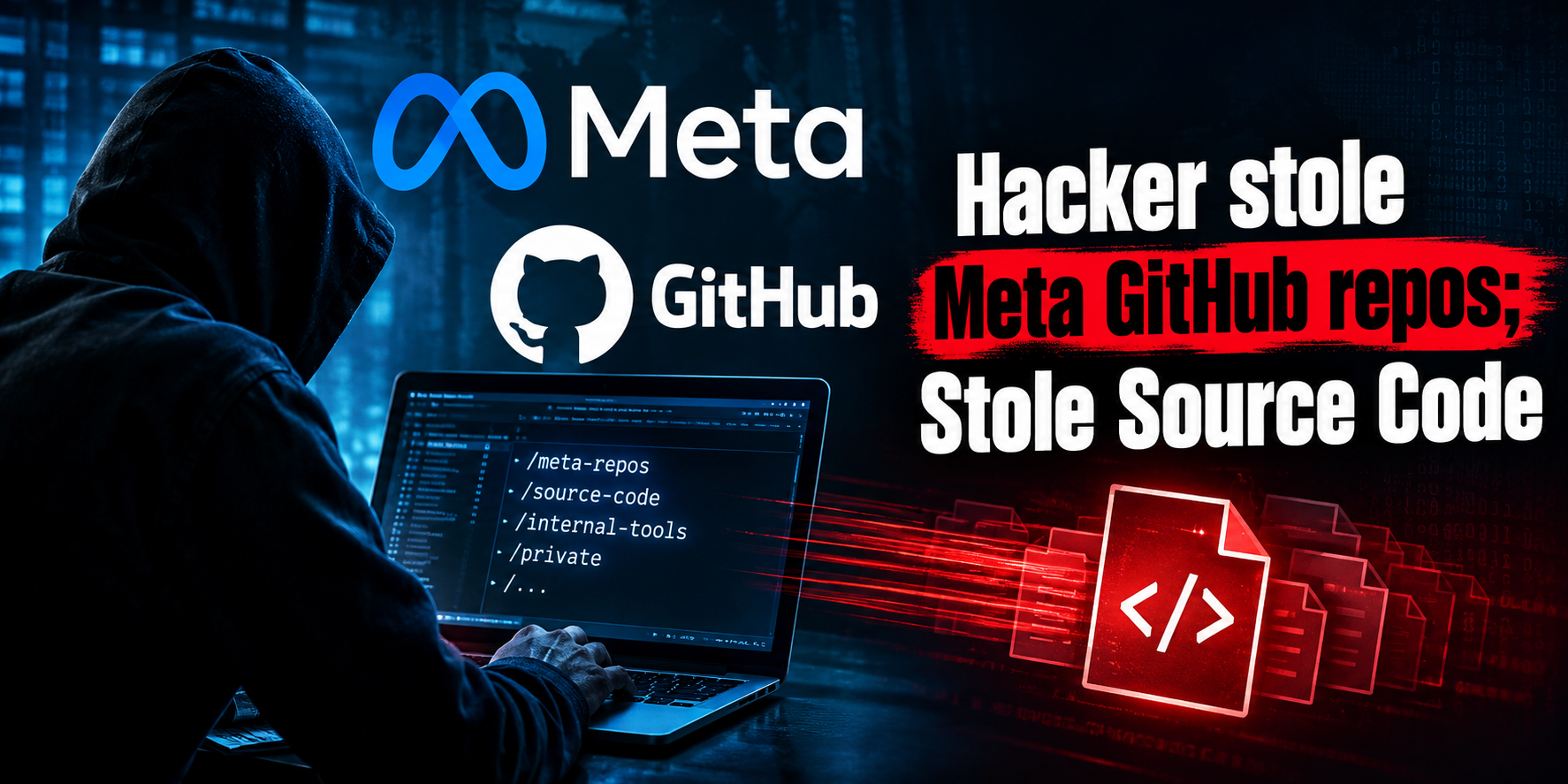
Hacker stole Meta GitHub repos; Stole Source Code
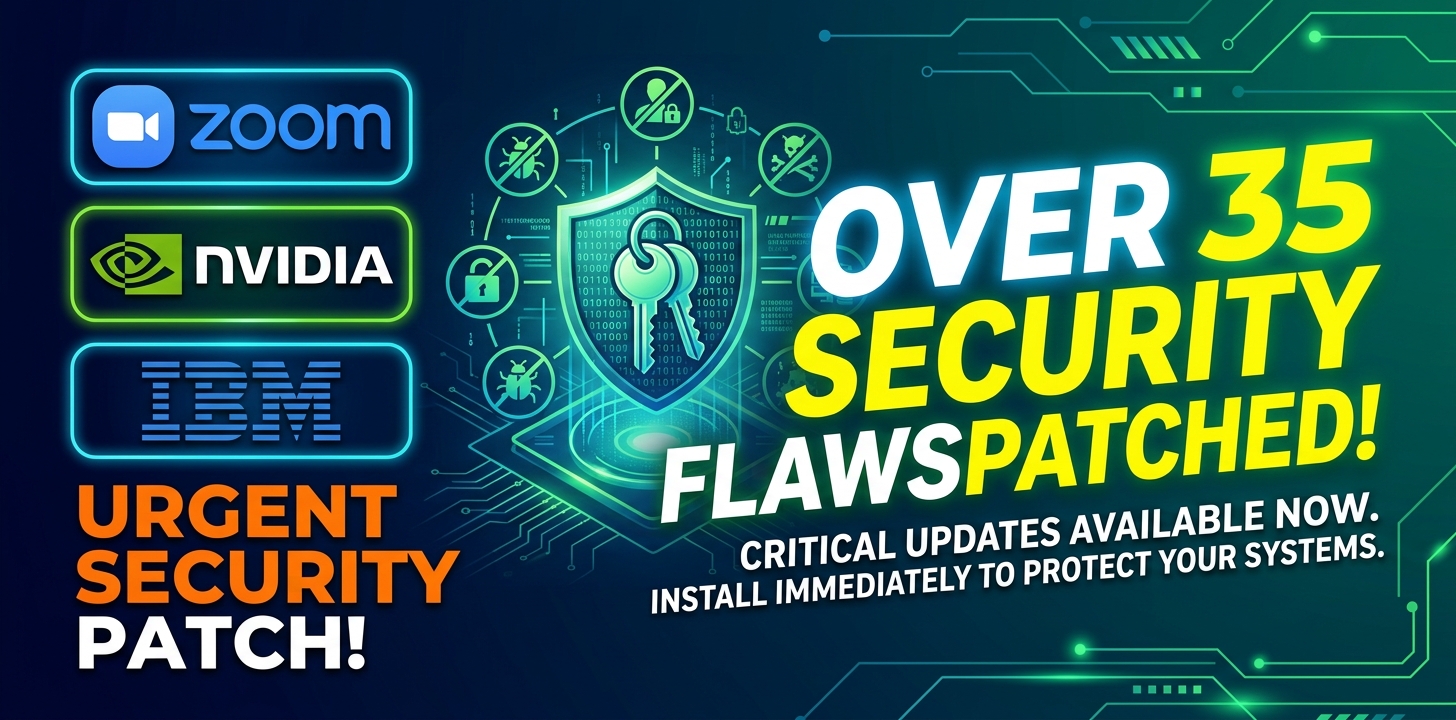
Urgent patch! Zoom,NVIDIA and IBM Patch 41 Security flaws
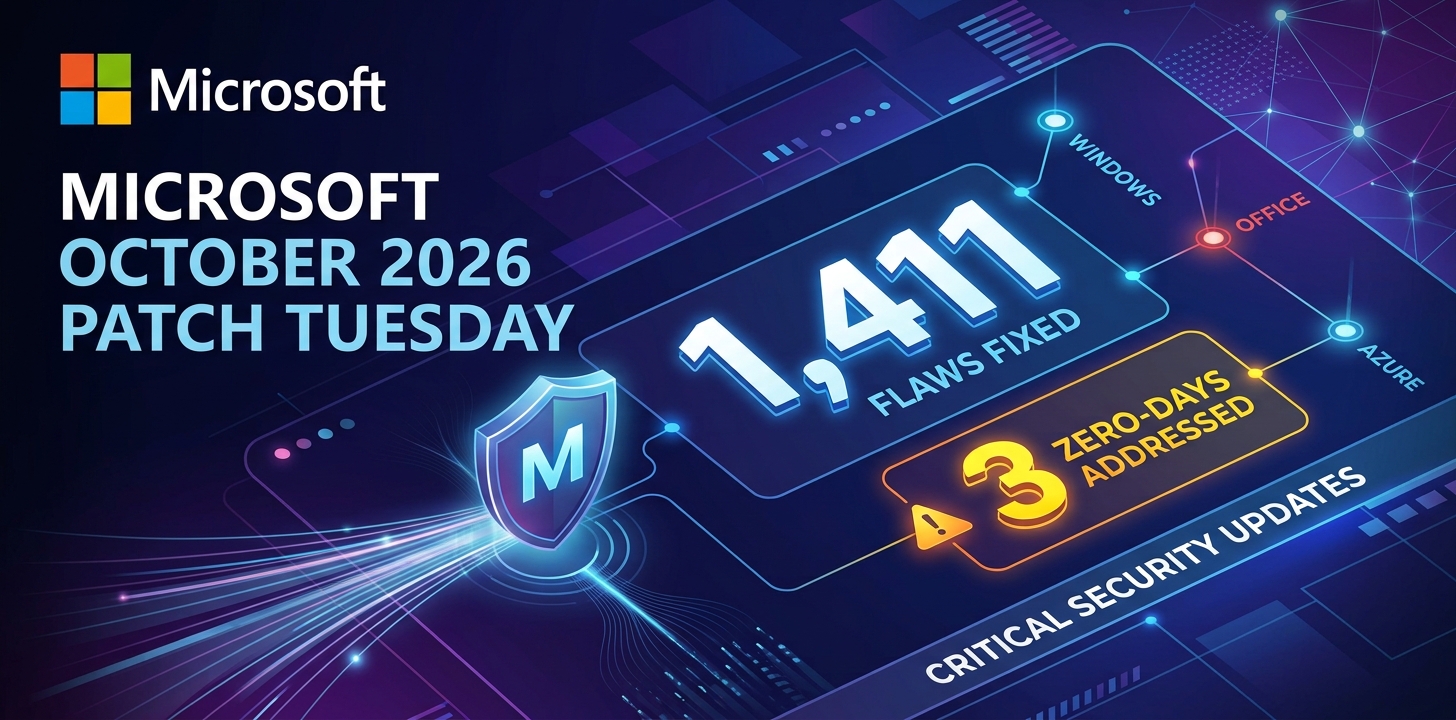
Microsoft patches record braking 1411 flaws; 2 zero days
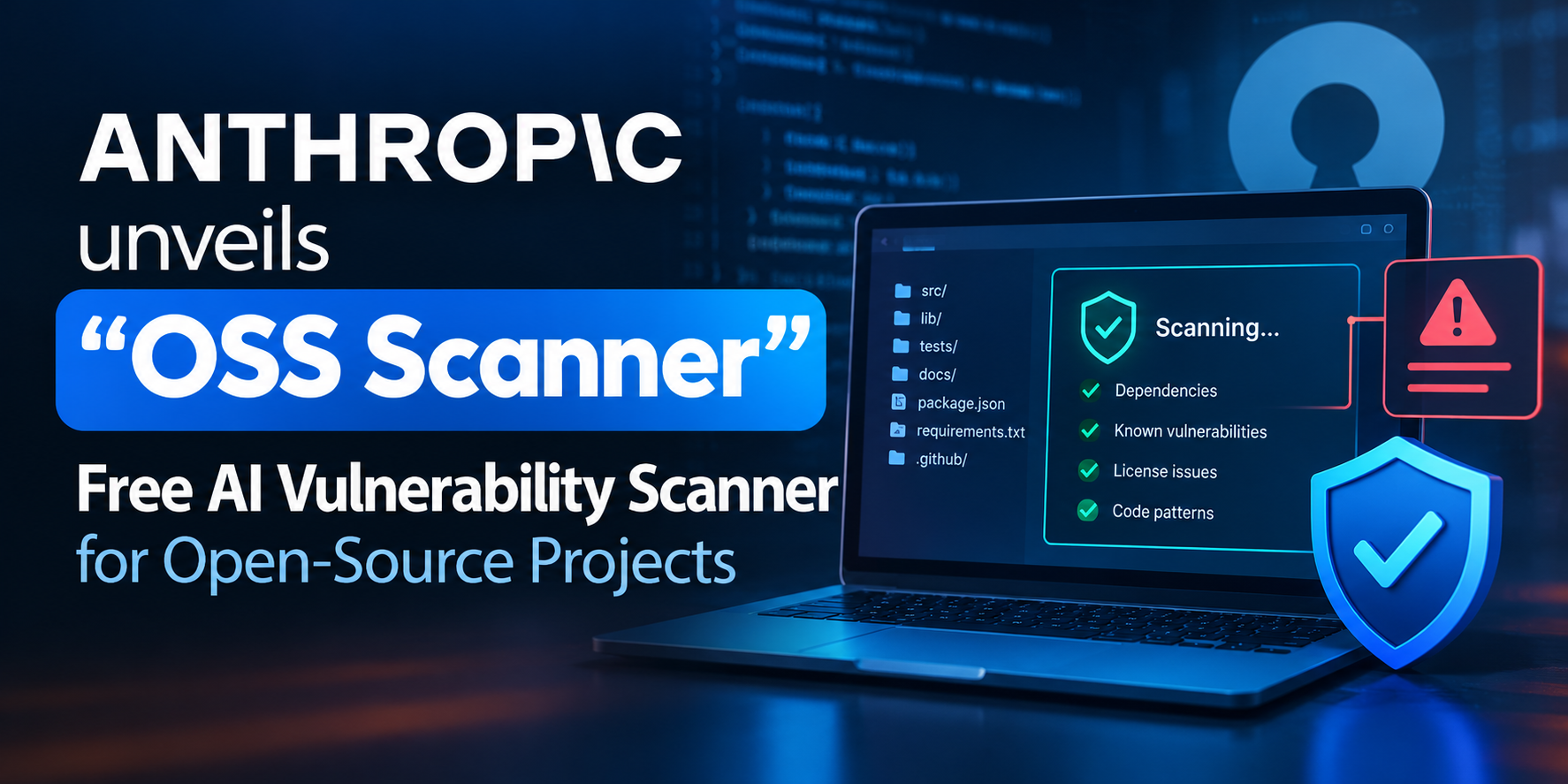
Anthropic unveils “OSS Scanner” Free AI Vulnerability Scanner for Open-Source Projects
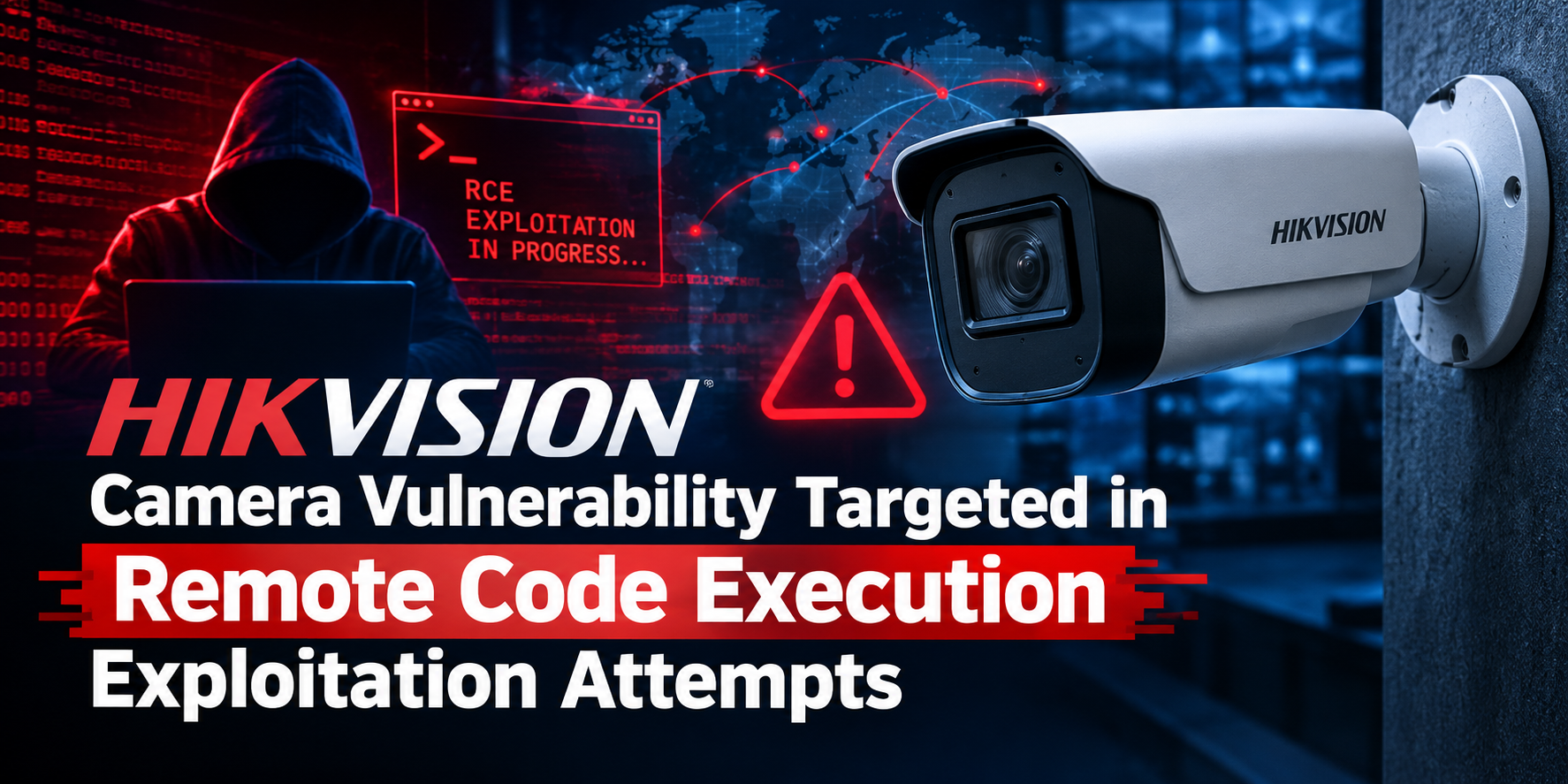
Rise on RCE Exploits Targeting Hikvision Camera Flaw
To help prioritize remediation efforts, the lists include a field that identifies each device as either
“Active – High Priority” (devices with internet-facing services enabled);
“Active – Lower Priority” (devices without internet-facing services); or
“Inactive” (devices that have not pinged home for 90 days).
SonicWall urge all partners and customers to log in and check for their devices. SonicWall has implemented additional security hardening measures and is working closely with Mandiant to further enhance its cloud infrastructure and monitoring systems.
To aid in this process, SonicWall has published a detailed “Remediation Playbook” and a “SonicWall Online Tool” designed to analyze firewall configurations and identify all services that require credential updates.
The company suggests focusing on high-priority devices first. Customers can get help from a dedicated support team via the MySonicWall portal for necessary changes and security.