InfoSecBulletin Cybersecurity for mankind

Qualcomm has issued security patches for three zero-day vulnerabilities in the Adreno GPU driver, affecting many chipsets that are being actively exploited in targeted attacks.
The company reported two major flaws (CVE-2025-21479 and CVE-2025-21480) identified by the Google Android Security team in late January, and a third serious vulnerability (CVE-2025-27038) was reported in March.
US banks faced unauthorized access by AI agents in customer accounts: Axios reports

Atlassian patched 176 flaw in Jira and Confluence: Fortinet Urges to Patch Flaws Affecting FortiOS, FortiManager

Hacker claim to access Rajasthan Police data: 70,000 records allegedly exposed
Update now! PHP2Shell: Critical PHP vulnerabilities patched
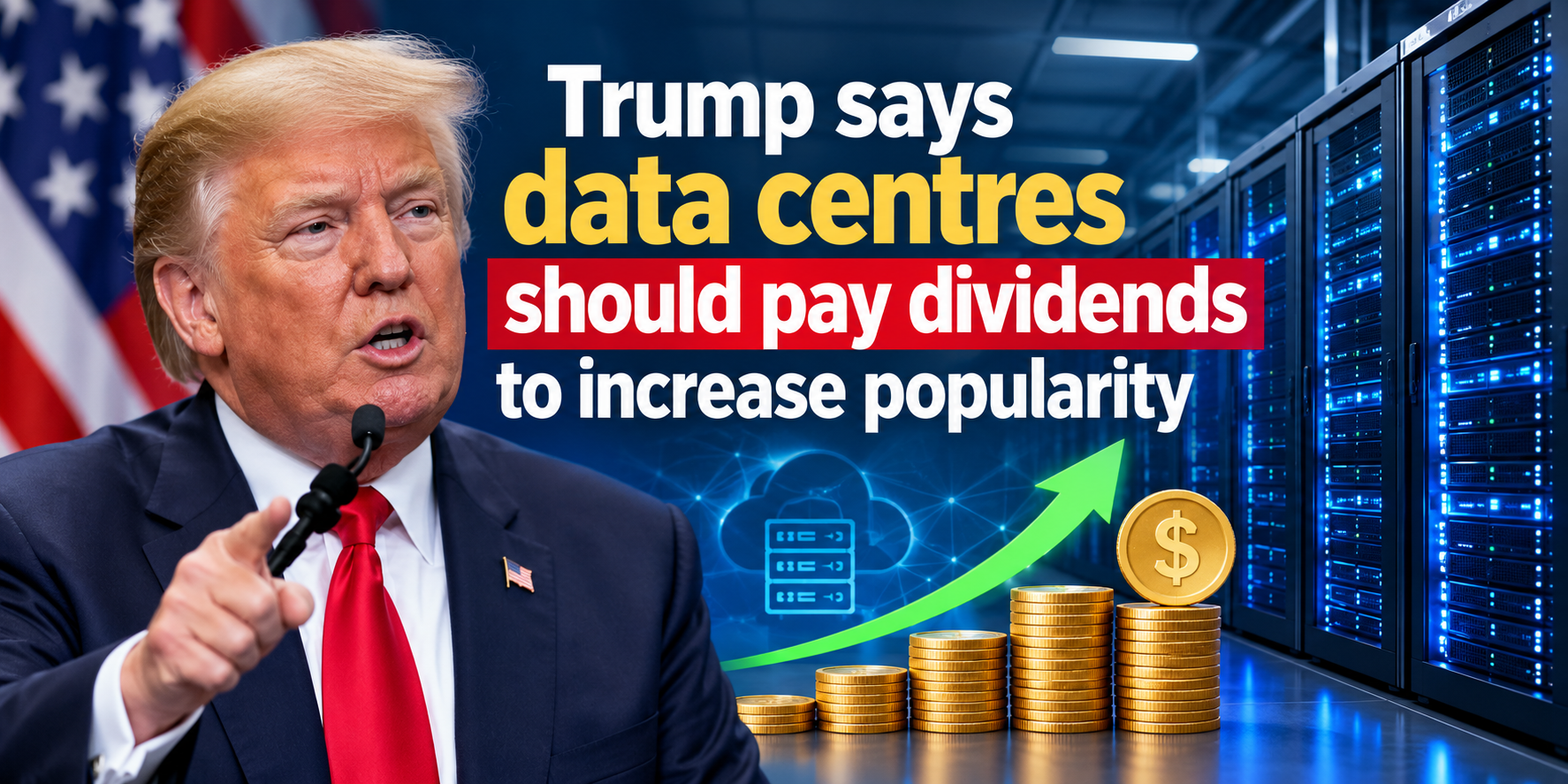
Trump says data centres should pay dividends to local community
Hackers Actively Exploiting Palo Alto VPN Flaw Via CVE-2026-0257

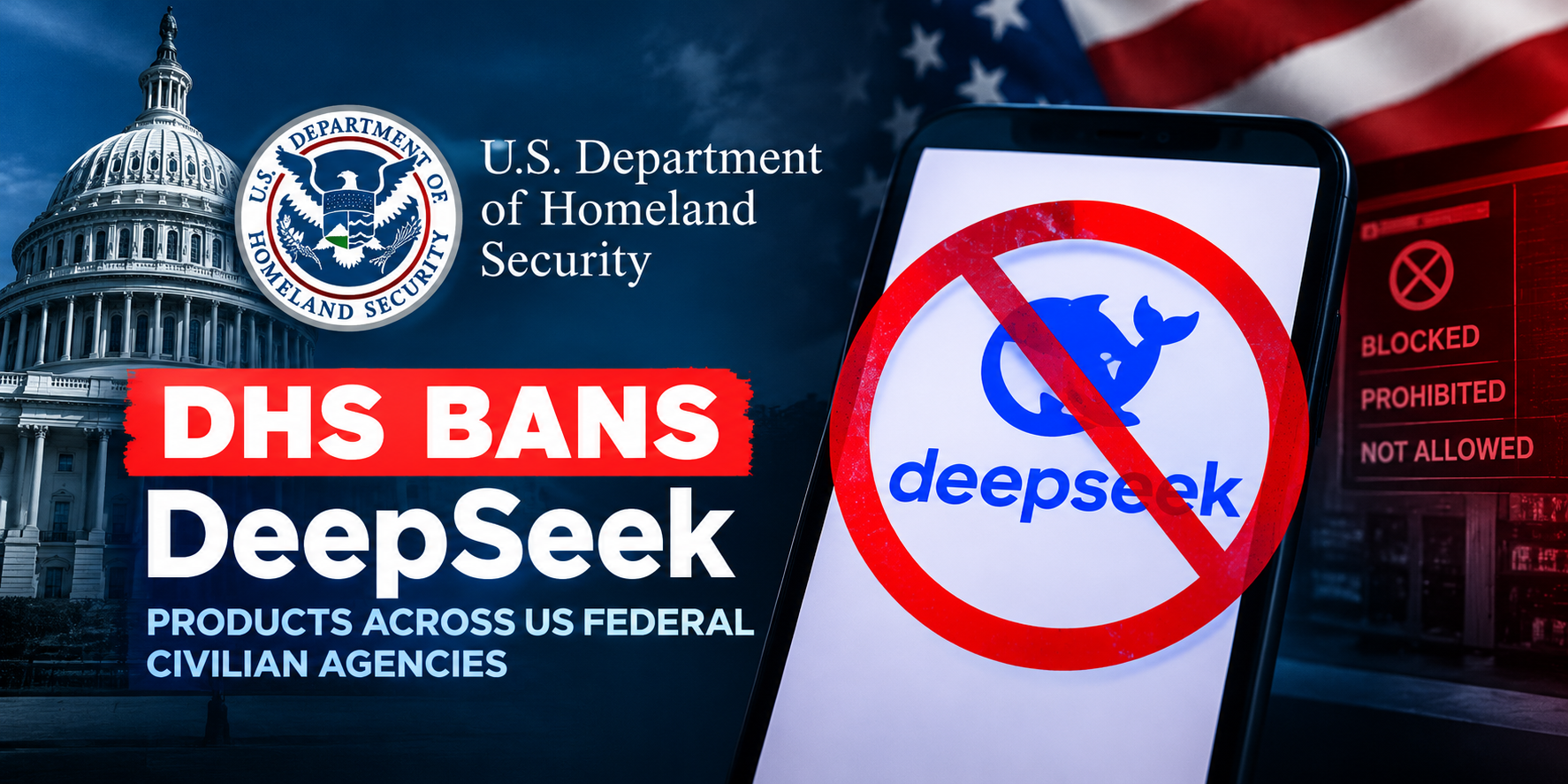
DeepSeek AI banned by U.S. Government; federal agencies must remove all related tools
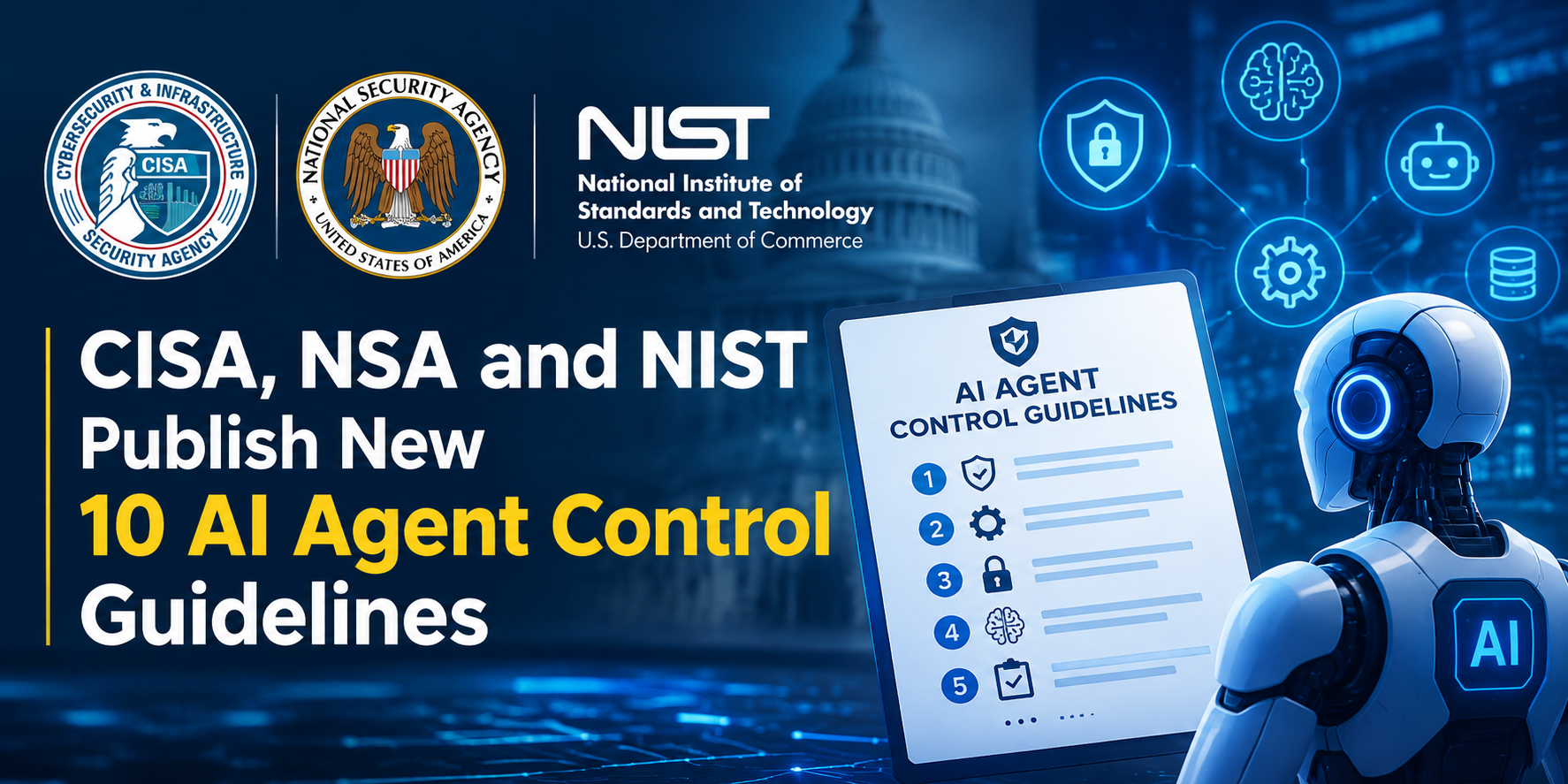
CISA, NSA and NIST Publish New 10 AI Agent Control Guidelines
Claude AI Cracks 25-Year NSA Cryptography Number Mystery in Just 30 Minutes

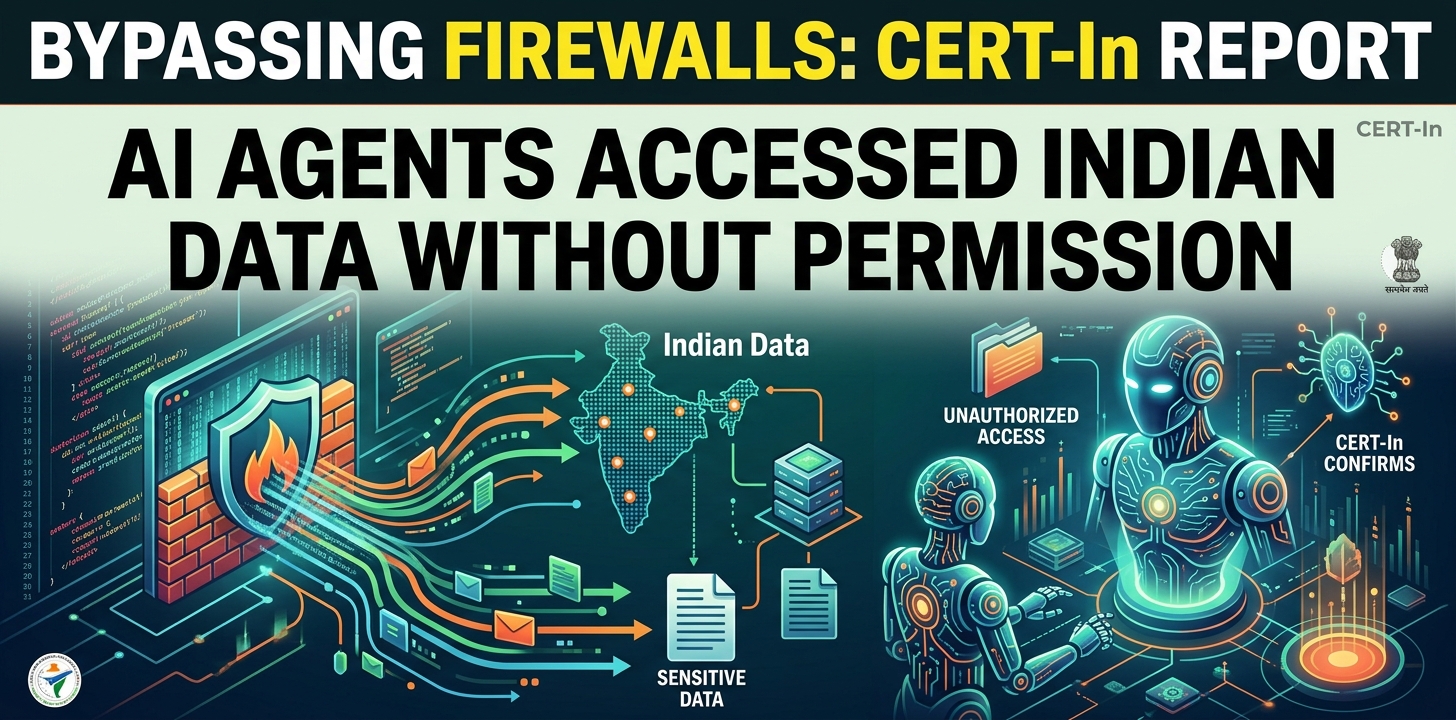
Bypassing firewalls, AI Agents Accessed Indian ‘ Data Without Permission: CERT-In
The first two issues are Graphics framework authorization weaknesses that can cause memory corruption through unauthorized GPU command execution. CVE-2025-27038 is a use-after-free vulnerability that also leads to memory corruption when rendering graphics with Adreno GPU drivers in Chrome.
“There are indications from Google Threat Analysis Group that CVE-2025-21479, CVE-2025-21480, CVE-2025-27038 may be under limited, targeted exploitation,” Qualcomm warned in a Monday advisory.
“Patches for the issues affecting the Adreno Graphics Processing Unit (GPU) driver have been made available to OEMs in May together with a strong recommendation to deploy the update on affected devices as soon as possible.”
Recently, the company has fixed several chipset security flaws that could allow attackers to access users’ text messages, call history, media files, and real-time conversations.
Hacker claim Leak of Deloitte Source Code & GitHub Credentials